Western Sahara: Fish Laundering & An Illegal Occupation
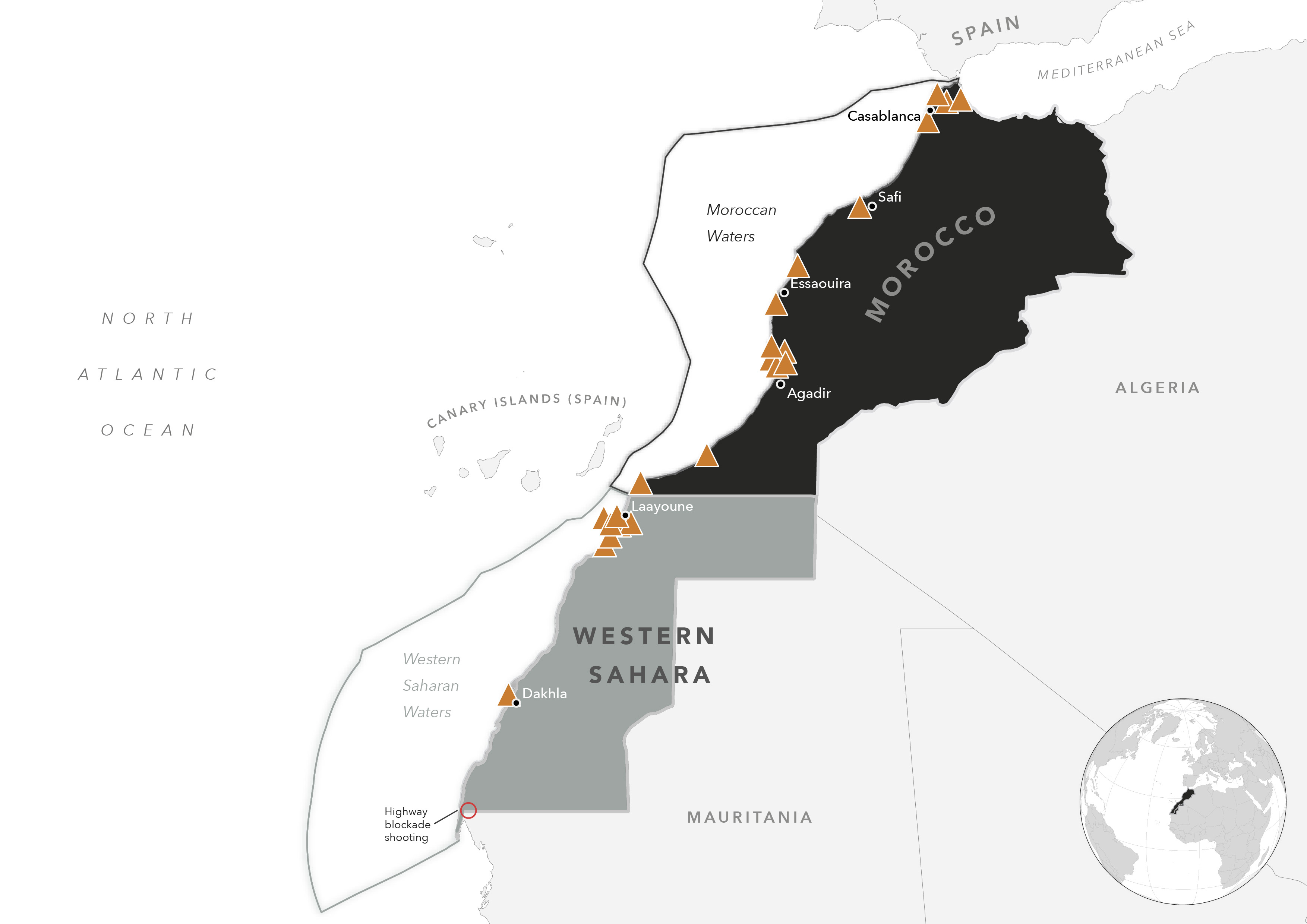
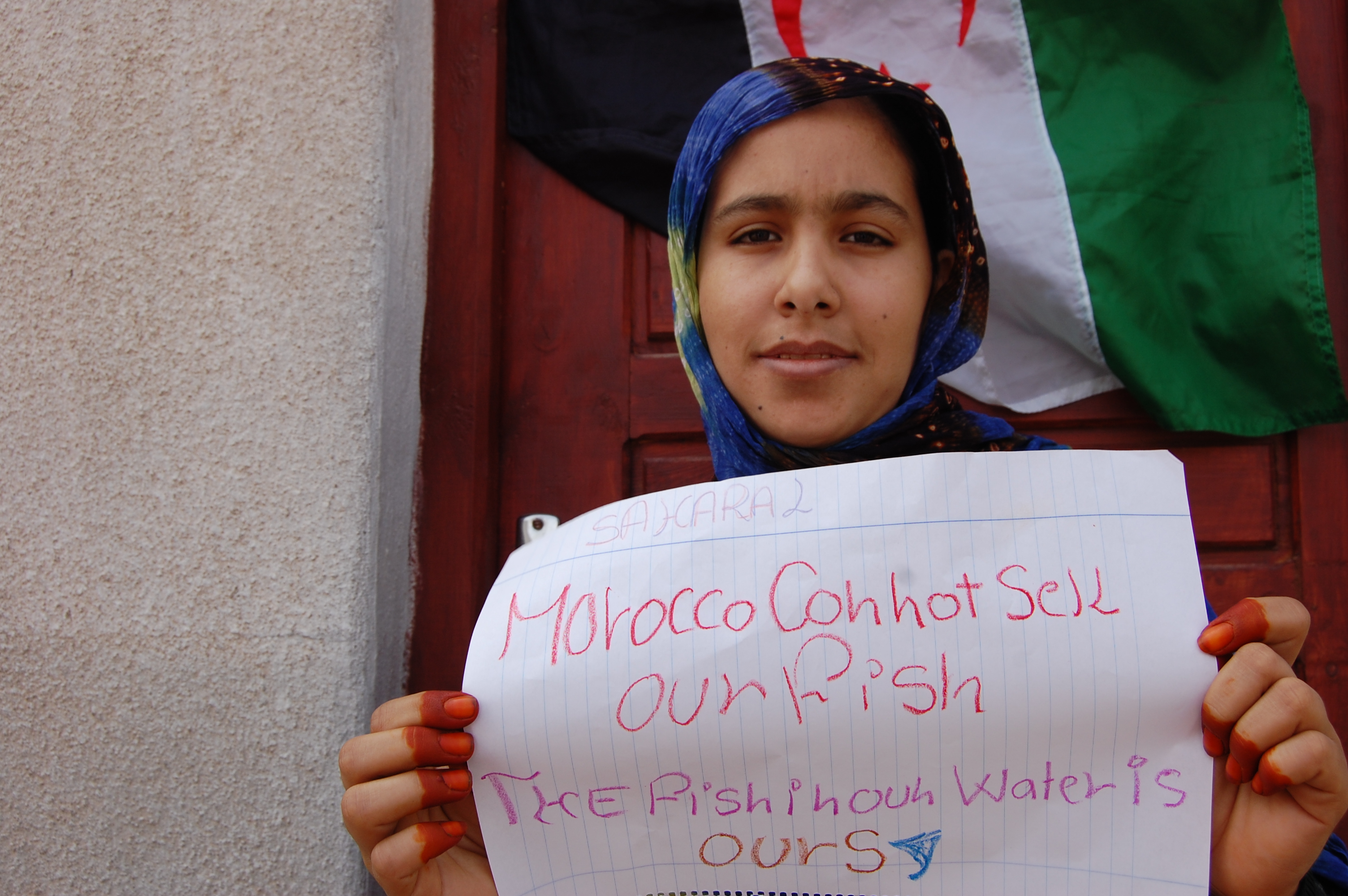
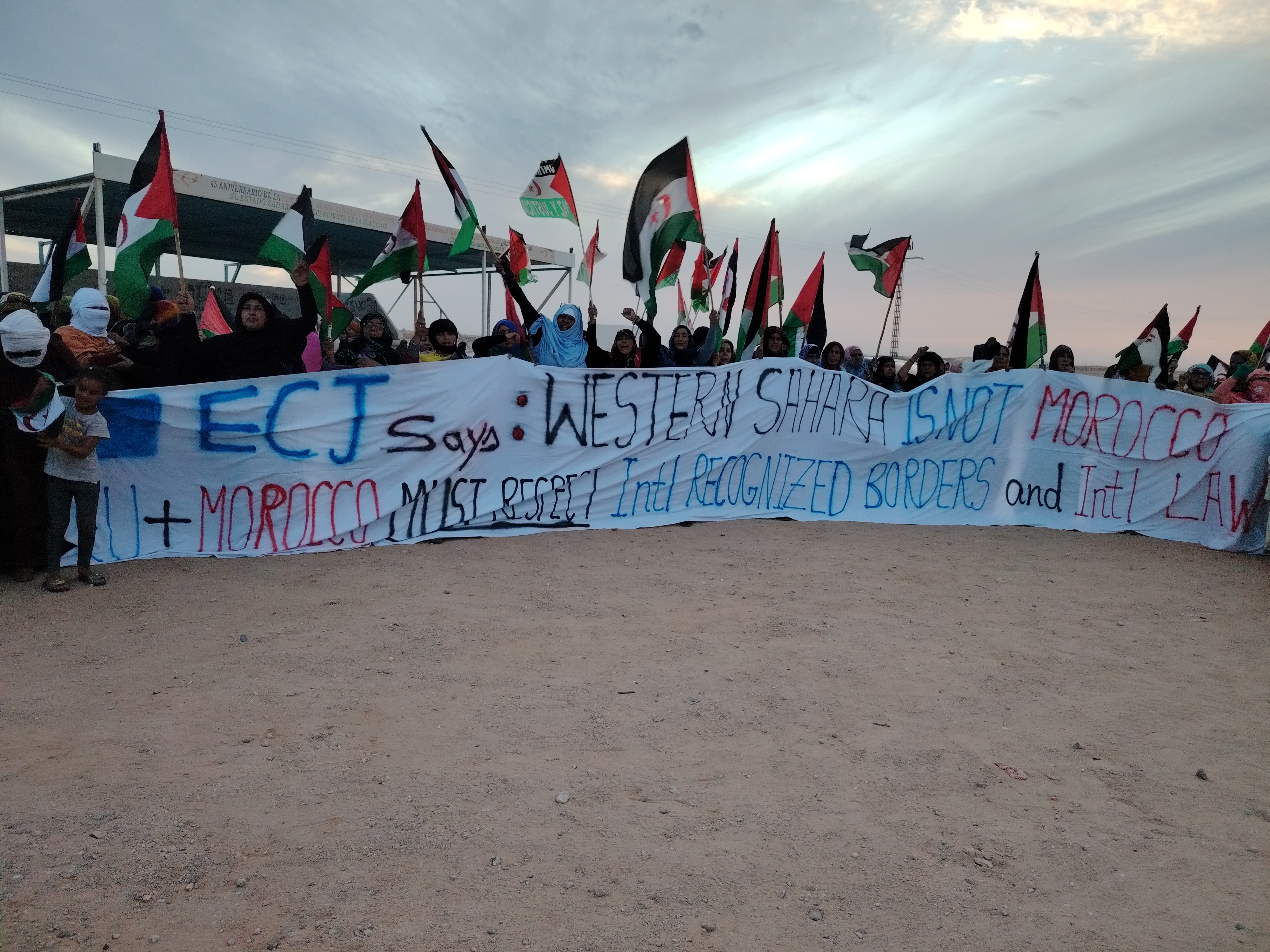
In October 2020, dozens of protesters blockaded a remote section of coastal highway in Western Sahara.1 Morocco has occupied Western Sahara since the mid-1970s, and for Sahrawis, this highway represented a main artery that colonial occupiers were using to drain their country of its economic vitality and political sovereignty. The highway blockade successfully halted 200 Moroccan and Mauritanian trucks, many of which were carrying fishmeal, a protein-rich dark-yellow powder made by cooking and pulverizing fish.2
Moroccan troops were soon dispatched to unclog the highway. According to an account by the Polisario Front, an armed group representing local residents, the troops opened fire on the peaceful protesters. Residents arrived at the scene and fired back at the Moroccan soldiers, and the resulting clash abruptly ended a 29-year ceasefire between Morocco and Western Sahara.3
Fish and fishmeal are politically volatile commodities in Western Sahara because they are two of the most lucrative products Morocco is sourcing from the occupied nation. The commerce in these goods is booming, largely thanks to the European Union. A trade deal that went into effect in 2000 between the EU and Morocco has allowed millions of dollars’ worth of fishmeal and fish oil to be extracted from Western Sahara and exported to Europe.4
However, international court rulings have repeatedly challenged Morocco’s claims over Western Sahara. Since 2015, in 10 consecutive rulings, the Court of Justice of the European Union concluded Morocco has no sovereignty over Western Sahara or its adjacent waters, stating that the territory of Western Sahara is “separate and distinct” from that of the Kingdom of Morocco “by virtue of the principle of self-determination.”5 Other international bodies have come to the same conclusion. United Nations resolutions, as well as rulings by the International Court of Justice and the African Court on Human and Peoples’ Rights, have stated that Morocco has no sovereignty or administering mandate over Western Sahara.6 And yet, the European Union’s own evaluations noted that a significant portion of catches under the EU-Morocco fishing pact (2014-2018) were taken in Western Saharan waters, reflecting how heavily foreign fleets have targeted the south.7 Morocco claims that its historical ties with some Saharan tribes demonstrate enduring rights over the territory, and that self-determination can be fulfilled through autonomy under Moroccan sovereignty rather than full independence.8
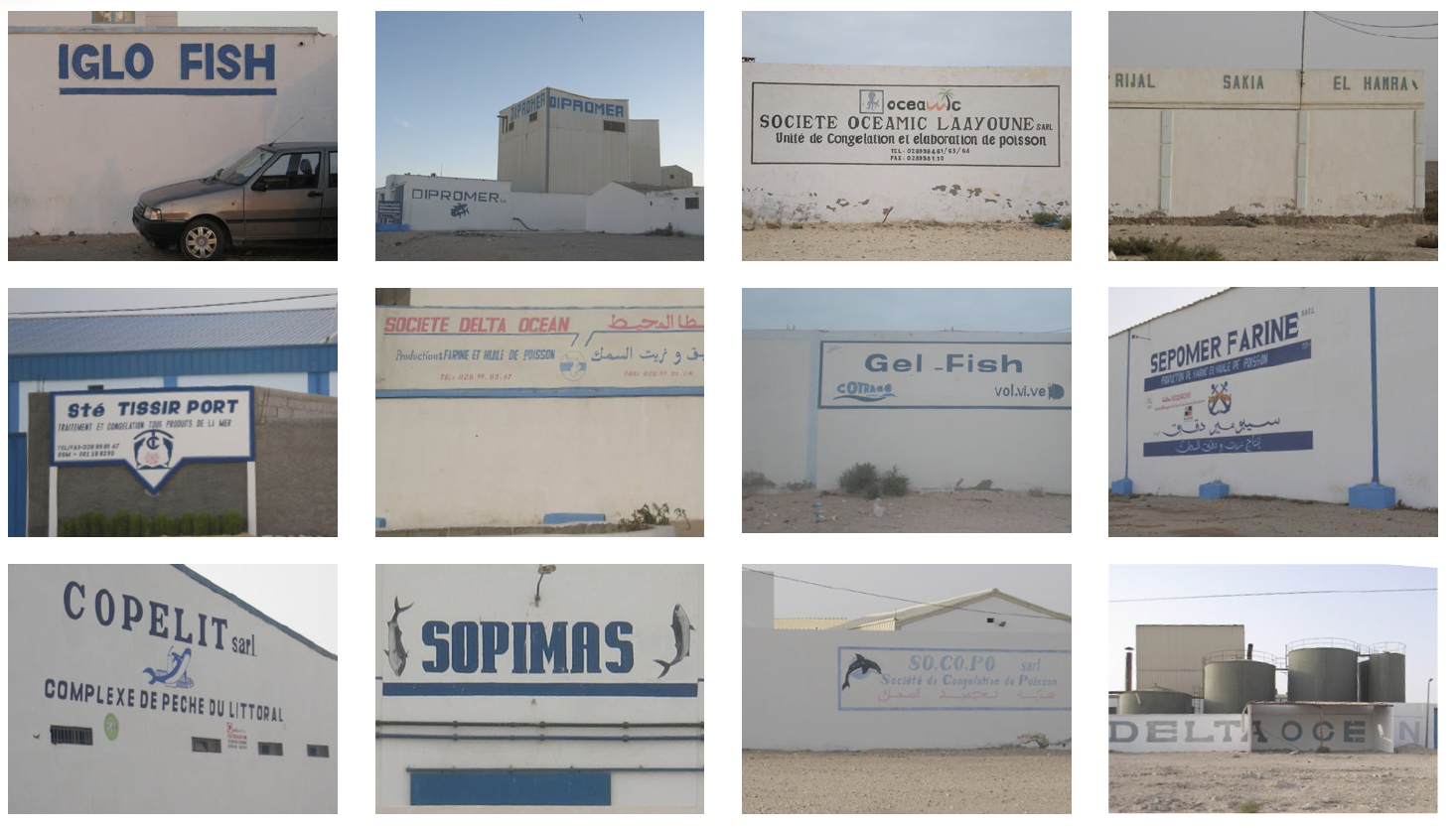
The flow of fishmeal and fish oil is allowed to continue because even though the fish is typically landed and processed in plants in Western Sahara, the owners of these plants label it as a product of Morocco before it is shipped to Europe. Despite satellite tracking of ships and tracing of the true origin of the products using bills of lading, European companies, certification bodies, and port officials have apparently been unwilling to amend how they label the product.9
Dive deeper — 1 of 3 in this report — Footnotes 10–33
Why the Sea Became a Protein Mine
The science of animal feed—combining corn, soy, grain, and other ingredients like fishmeal to raise livestock faster, more efficiently, and at a larger scale—was central to the rise of modern civilization.10 Techniques of animal husbandry developed roughly 12,000 years ago in the so-called “Fertile Crescent,” an ancient area stretching from Mesopotamia to Egypt.11 Alongside advancements like irrigation and the plough, the domestication of livestock was essential for humans to create the stable food supply that they needed to settle and eventually to develop cities.12 Shifting from grazing to penning animals required farmers to provide them with balanced diets.13
Historically, marine life itself has experienced a conceptual shift. First, these creatures were animals that served mostly as sustenance for seabirds, marine mammals, and larger predatory fish, and, on a local scale, as food for humans. Next, they were seafood to be eaten by humans on an industrial and global scale. Then, with the rise of the reduction industry, marine creatures emerged as an ingredient in the form of flour, oil, or protein, destined as livestock feed.14 Ocean habitats became calorie factories.
Kristin A. Wintersteen explains how and when the modern world began using the sea as a protein mine.15 In her 2021 book, The Fishmeal Revolution, she chronicles how the Humboldt Current, a cold, nutrient-rich upwelling system that runs along the Pacific coast of South America, was reconceptualized from being a living marine ecosystem into a place to extract raw materials. This “revolution,” she explained, converted Peru into the fishmeal superpower it is today, now accounting for roughly a quarter of global production. This historical transformation made fishmeal the key ingredient that helped fuel the post-World War II expansion of industrial chicken, hog, and later fish farming—especially in the US and northern Europe. This shift, which has since extended far beyond the waters of Peru to include the coastline of West Africa, has also severed consumers from the ecological and human costs of production.16
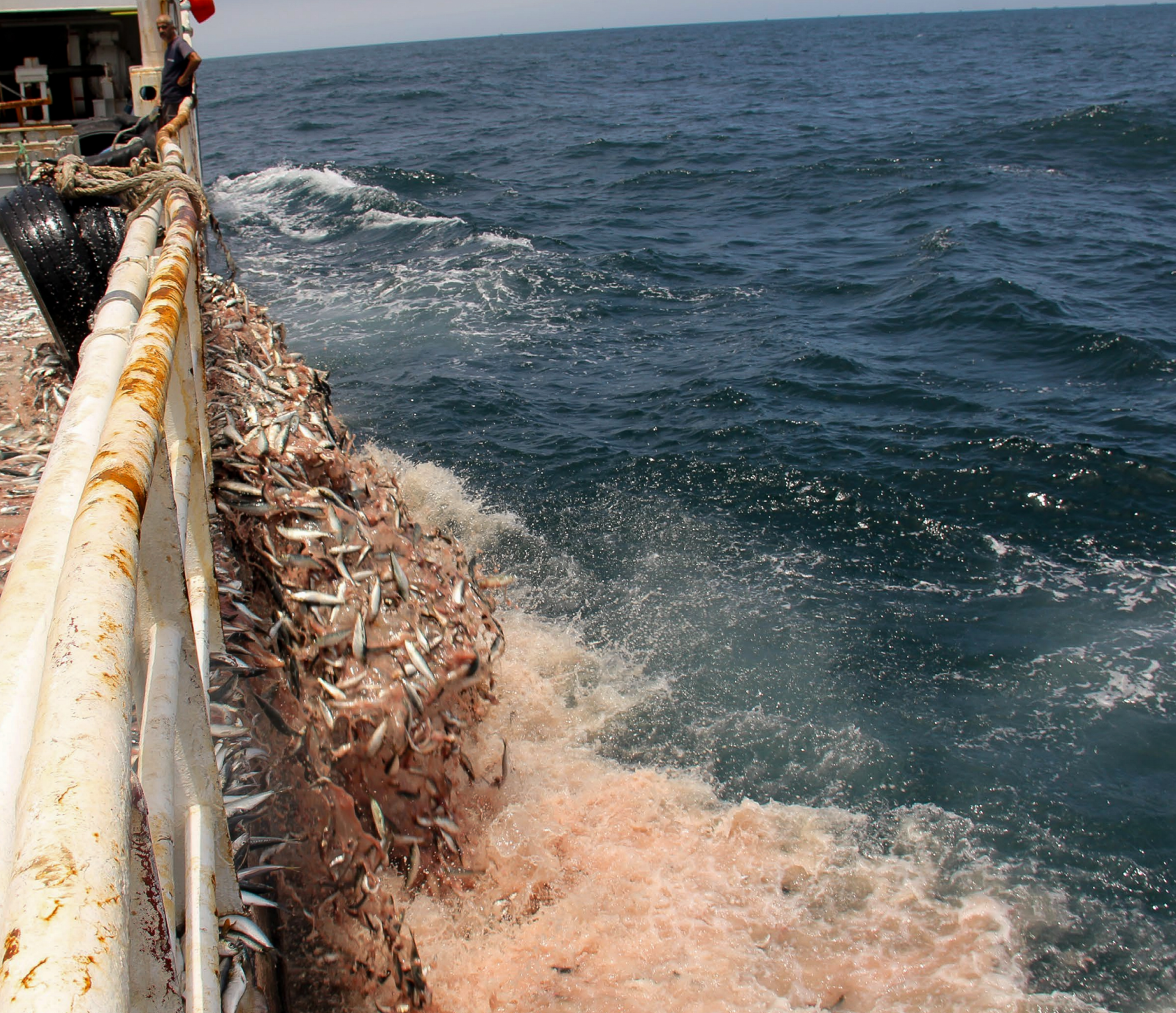
Fishmeal and its rise as a staple feedstock have come with a variety of hidden costs that rarely show up on the balance sheets of the seafood companies that rely on it. These hidden costs, or what economists call “externalities,” are instead paid by the environment and by people who are far from where the seafood gets eaten.17 The oceans also pay an especially heavy and unseen toll from this industry. More than a fifth of all marine life pulled out of the water globally was swallowed up by the feed industry in 2022, according to the UN’s Food and Agriculture Organization (FAO).18 Reduction fishing often relies on purse-seine or trawl nets that can trap large amounts of non-target fish, or bycatch, significantly impacting the ecosystem by removing key prey species.19 As such, the reduction industry represents a stark example of “fishing down the food web,” where fishing shifts toward smaller, less valuable species as larger, predatory fish stocks decline. The true cost of farmed fish is not what appears on the restaurant menu or the grocery store packaging.
Most fishmeal is used by the aquaculture industry. This is ironic since, historically, the global push toward aquaculture has been bolstered by the idea that farming fish on land lessens the need to take so many from the sea. Using fishmeal to feed fish farms, however, has turned this goal upside down, and fish farming is accelerating ocean depletion. The toughest challenge to farming carnivorous fish is feeding them. Food constitutes roughly 70 percent of this industry’s overhead, and so far, the only commercially viable form is fishmeal.20 The aquaculture farms that yield some of the most popular seafood, such as salmon, tuna, shrimp, carp, or European sea bass, often consume more fish than they ship to supermarkets and restaurants.21 Before it gets to market, a farm-raised tuna, for example, can eat more than 15 times its weight in free-roaming fish that has been converted into fishmeal.22M
Aquaculture has existed in rudimentary forms for centuries before it became industrialized on a large scale in the 1980s, and it has some clear benefits. Fish farming provides millions of people with year-round access to affordable protein.23 In India, aquaculture is a crucial source of jobs, especially for women.24 In Bangladesh, fish farming has driven an overall decline in the price of fish, making it more accessible for lower-income households.25 Even when feed—including ingredients like soy and fishmeal—and transport to the US are taken into account, some types of fish farming, such as tilapia and Atlantic salmon aquaculture, have lower greenhouse gas emissions per pound compared to beef and pork.26 Farming bivalves, including clams, oysters, scallops, and mussels, is particularly sustainable: These species typically require no feed and use minimal land and freshwater.27 They also produce shells that can function as a form of carbon capture, according to a 2020 Nature Food study.28 As of 2022, roughly a third of global aquaculture did not require external feed inputs.29
As the planet’s population has grown, so too has competition for key nutrients. Countries are struggling to reduce their reliance on imported meat in a bid toward “protein sovereignty.”30 Investors are chasing alternative protein sources like plant-based or lab-cultivated meat. Disruptions such as the avian flu and the Russia-Ukraine War have led to sharp jumps in meat prices, casting new focus on the interconnectedness and volatility of these commodity markets. “With increasing frequency, wealthy, food-importing countries and private investors are acquiring farmland overseas,” said a report from the Wilson International Center titled “Land Grab? The Race for the World’s Farmland,” explaining that many of these purchases are for the sake of growing more food.31
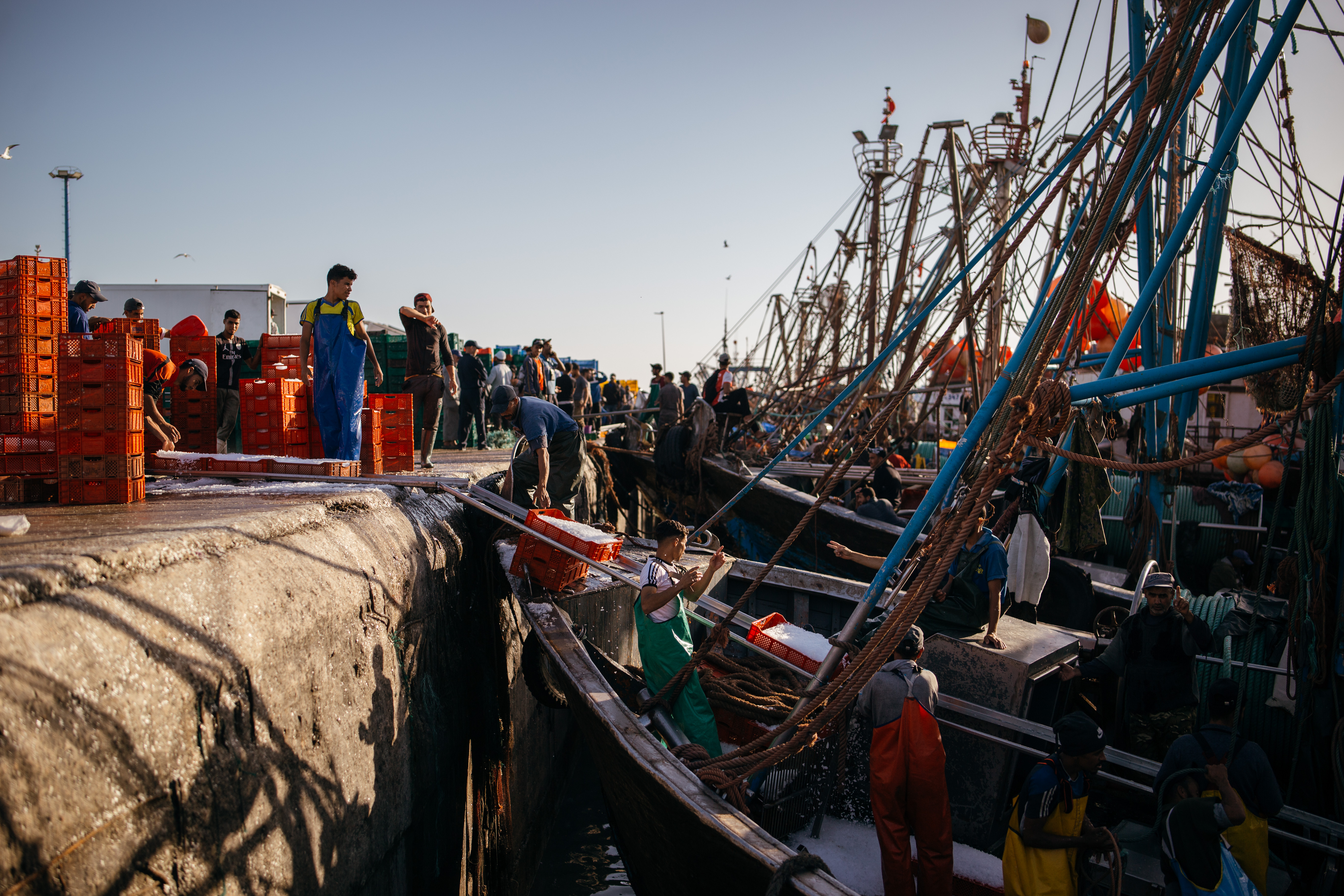
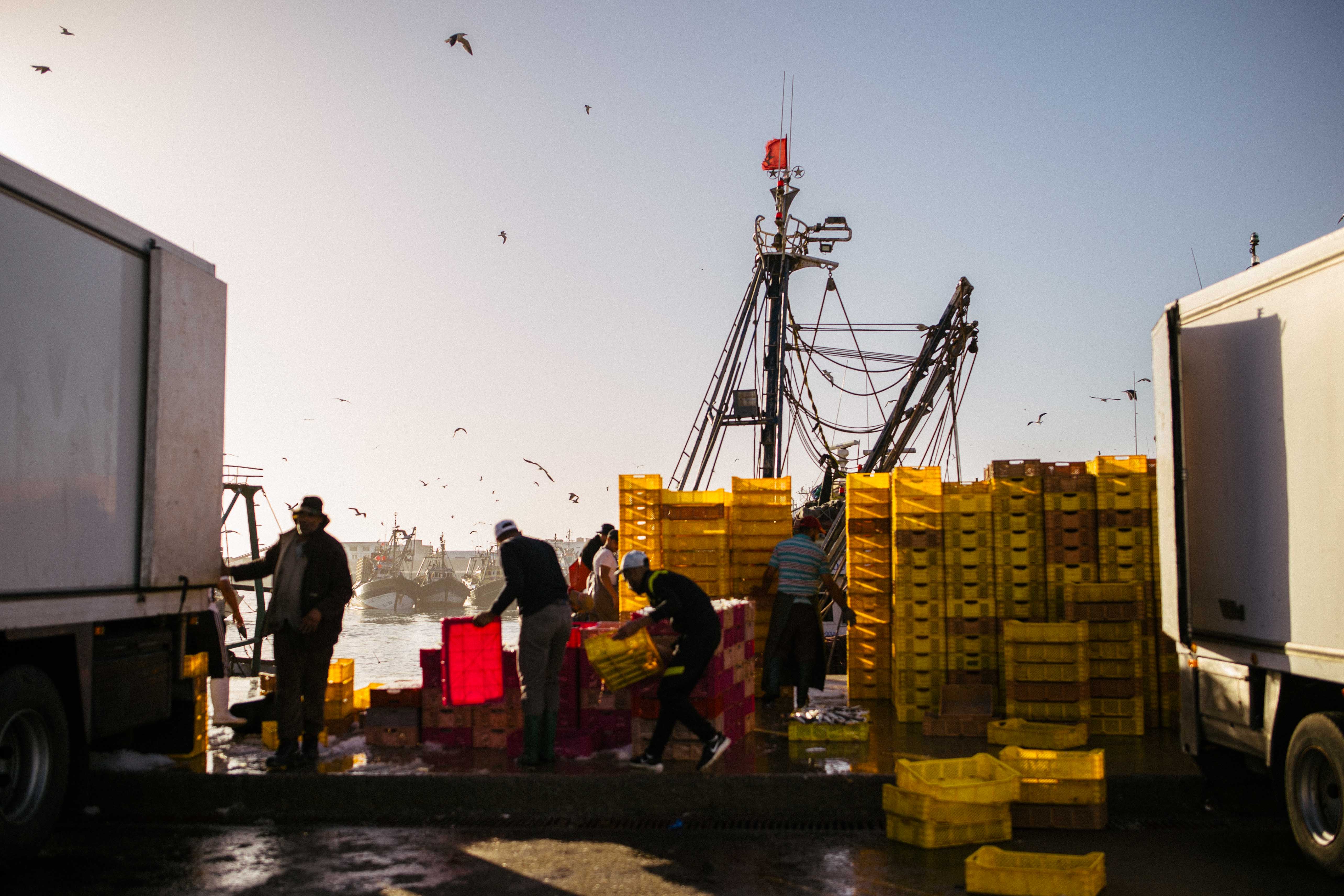
In the context of this global fight for prized resources, feed represents a hidden battle behind the broader war. Competition is especially fierce for crops, particularly soy, that are fed to livestock. “China, the US, and Brazil are the world’s three largest producers of meat by far, and they all rely on and are bound together by one commodity: the soybean,” said a 2024 podcast by Carnegie Endowment for International Peace.32 “In 2024, US-China trade tensions are mostly centered on high-tech products like semiconductors or critical minerals. But in 2018, one of the first battlegrounds for these superpowers was the soybean.”33 As with soy, the scramble for fishmeal and fish oil is fueled by the same geopolitical desires for sovereignty and control over vital resources. And yet, this contest is happening not on land but at sea, where there is far less focus from journalists, governments, and environmental or human rights advocates.
The fishmeal industry causes additional problems for Western Sahara. Cooking thousands of tons of rotting fish into powder produces a rancid smell, which is more than just a nuisance for people living nearby. The stink corrodes the local economy by undercutting tourism and scaring away restaurant patrons and beach visitors. The foul smell is also an indicator of the release of noxious chemicals like ammonia, hydrogen sulfide, cyanide, and methane, which have been known to contribute to higher levels of serious health problems, including nausea, pulmonary edema, and even death among plant workers and neighbors.34
The worst part of the odor comes from trimethylamine, or TMA, a colorless gas characterized by a “fishy” smell. In 2021, the Society of Chemical Industry identified TMA as “strongly toxic and carcinogenic.”35 The Bait-to-Plate tool, created by The Outlaw Ocean Project to track the world’s fishing and seafood industries, found that more than 22,000 people, over 5,000 of them under the age of 15, live within a mile of fishmeal plants in Western Sahara.36M
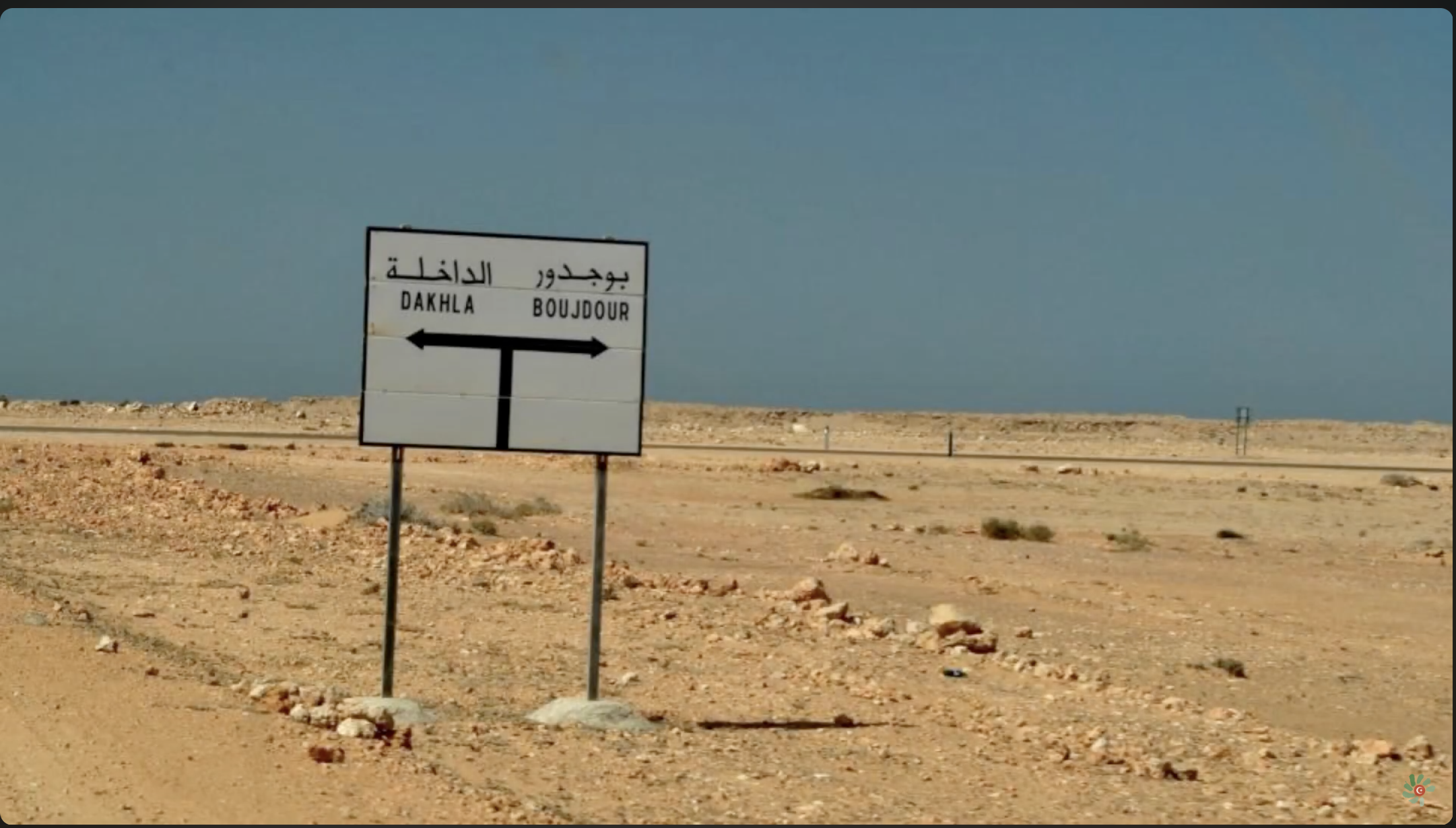
Global demand for fishmeal skyrocketed, especially since the early 2000s, primarily because it is used as a protein-rich supplement in the booming industry of fish farming, or aquaculture, which is the planet’s fastest-growing food sector.37 Fishmeal exacts a heavy toll on Global South countries like those in West Africa, and the extraction of vital resources from an occupied country is but one example of such hidden costs. Even when compared to other occupied or contested areas globally, Western Sahara is handled distinctly. “Other territories that the UN lists as non-self-governing do have their own non-EU country sheet. For the export of fishery products, the Falkland Islands, French Polynesia, and New Caledonia are all listed as approved countries separately from their respective administering powers, which are all EU Member States,” a 2020 non-governmental organization report said.
However, in the case of Western Sahara, the report noted that the products are listed as being from Morocco. The EU Commission’s Directorate-General for Health and Food Safety had approved at least 10 of the 14 operating fishmeal plants in Western Sahara in 2020, even though Western Sahara is separate and distinct from Morocco for the purposes of international law and EU trade agreements, according to EU court rulings.38
This form of illegal fishing presents a variety of problems. Some 180,000 Sahrawi refugees live on international humanitarian aid in refugee camps in Algeria, while Morocco continues to occupy and extract resources from Western Sahara, undermining international law.39 The industrial-scale targeting of Western Saharan waters also threatens to collapse local stocks and undermine food security. All pelagic species “in the south,” which means within Western Saharan waters, are either fully exploited or overexploited, as a result of years of intense fishing by local, EU, and other foreign fleets.40
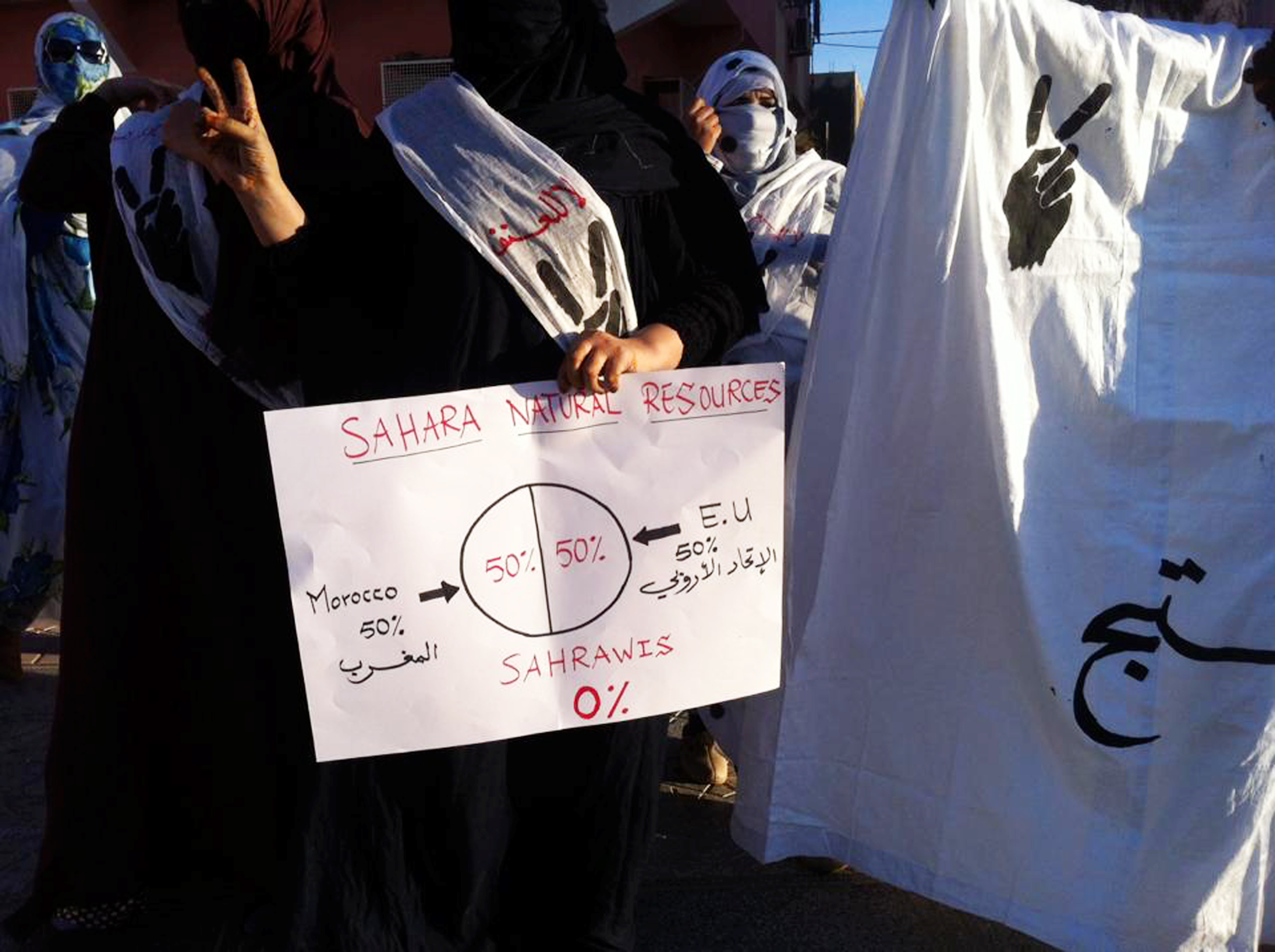
Under a 2018-2021 trade agreement, the EU paid Morocco roughly 208 million euros over four years for access to fishing zones, a substantial portion of which were in Western Saharan waters.41 (The agreement was later annulled by the Court of Justice of the EU because the deal was signed without obtaining the consent of the people of Western Sahara.)42 An estimated 94 percent of the EU catches under that deal came from Western Sahara’s waters, according to news reports. Morocco has used such funds to support its fisheries sector, including in the south. However, critics point out that these agreements and revenues were arranged without the consent of the Sahrawi people, and thus the financial benefits are accruing to the occupying administration rather than to the territory’s rightful inhabitants.
Dive deeper — 2 of 3 in this report — Footnotes 43–64
Fishmeal Sustainability: Walking North on a Southbound Train
The fishmeal industry and aquaculture industries have made a variety of arguments about their sustainability. For example, the IFFO, which is the international fishmeal association, has emphasized that its “role is not to advise which markets should use fishmeal and fish oil.”43 Véronique Jamin, a spokesperson from the organization, said that fish farming is “the most efficient animal protein system” and “is becoming more efficient over time, not less: lower inclusion rates of fishmeal/oil, higher digestibility of alternative ingredients, better feed formulation through precision nutrition.”44 She added: “Sustainability frameworks won’t work if they ignore real-world economics,” and seafood companies have to respond to “what people actually want to buy and eat.”45
Ocean researchers and marine historians, however, offer a different view about global demand for fishmeal and farmed fish.46 First, they contend that it was the aquaculture industry itself that is driving increased demand for farmed fish. "Classic market economics explains that making a resource cheaper and more efficient does not curb its use; it increases it," said a 2026 report by the Aquaculture Accountability Project. "Instead of meeting a preexisting need, confining hundreds of thousands or millions of fish in net pens to produce cheap seafood has created what economists call ‘supply-driven demand.’”47 A 2024 study by Science Advances furthered this point: Aquaculture companies have “driven an increase in demand for salmon, rather than having simply met a pre-existing demand.” The research concluded that the aquaculture industry has exponentially increased the supply of affordable “premium” fish like salmon, leading to higher demand, the opposite of its claim to be meeting an existing need.48
In defense of its sustainability, the feed industry has also emphasized that it is decreasing its reliance on fishmeal and fish oil, and especially on the use of whole fish or fish that can be eaten by people. Over 58 percent of fishmeal and fish oil globally comes from whole fish in 2026, according to international fishmeal association data. At least 90 percent of the fresh fish turned into fishmeal and fish oil is food-grade, edible to humans, according to a 2017 study published in the Fish and Fisheries journal.49 The IFFO has said on its website that between 2000 and 2020, the proportion of fishmeal in aquaculture feed at fish farms globally decreased from 23 percent to eight percent.50 Some experts have predicted, however, that the total amount of global fishmeal production could rise by nearly 10 percent between 2022 and 2032, mostly from trimmings—fish offcuts not suitable for human consumption—according to the FAO.51 Overall demand for fishmeal also seems to be increasing.52 Five of the world’s largest salmon companies, for instance, increased their absolute use of fishmeal and fish oil made from whole wild fish by as much as 39 percent between 2020 and 2024, according to a report from the Farm Animal Investment Risk and Return Initiative.53
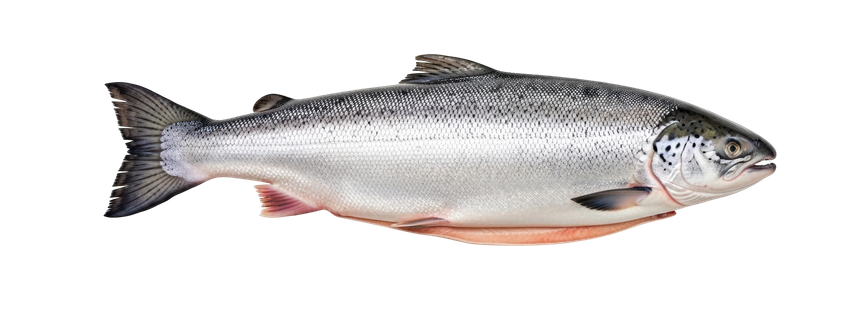
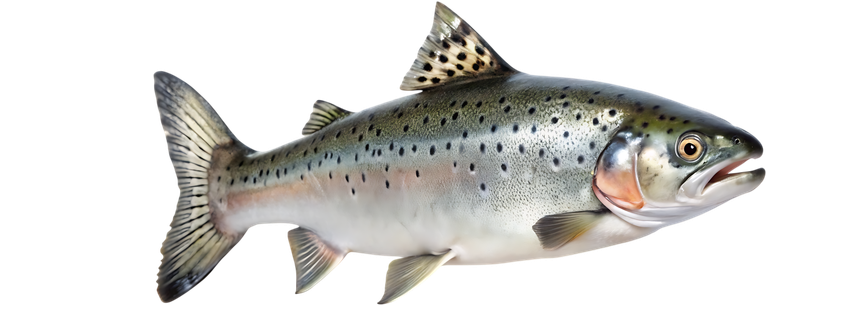
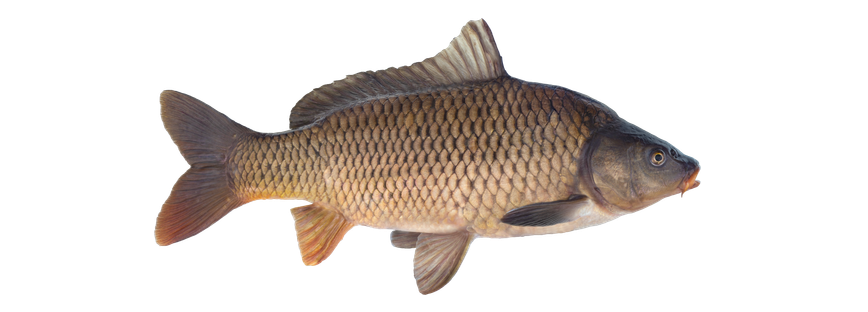
Fish In:Fish Out
It can take more than 730 wild-caught Peruvian anchoveta to grow a single farmed salmon.
Wild anchoveta needed per farmed animalMEvery mark is one anchoveta, at one size
730anchoveta 1 Salmon
390anchoveta 1 Trout
3anchoveta 1 Carp
1anchoveta 1 Shrimp

Meanwhile, global fishmeal supplies could be tapped out as soon as 2028, according to Novel Sharma, a Rabobank analyst specializing in seafood and aquaculture.54 “A shortage is inevitable,” the report said.55 This means that the industry's claims about the supply, demand, and sustainability of fishmeal require broader context. While individual sectors or companies may be decreasing their use of fishmeal, the overall industry is not likely decreasing at a rate that makes it sustainable. The industry’s claims, then, resemble someone walking north on a southbound train: Individual actors may be moving in the right direction, but not nearly fast enough to change the outcome.
Assessing the climate impact of carnivorous fish farming is also complicated.56 The industry markets aquaculture seafood as a climate-friendly protein source.57 However, its true carbon cost is sometimes obscured by selective accounting, particularly the omission of fishmeal production, which accounts for at least half of industry emissions.58 Comparing the climate impact of food per pound can also make farmed fish appear artificially more efficient, but one pound of water-dense cod provides only a third of the calories of one pound of pork, distorting the reality of consumption.59 Meanwhile, over 165 million metric tons of CO2—equivalent to the annual emissions from all passenger cars in the UK—have been released into the atmosphere as mangroves and seagrass beds have been destroyed to make way for the global expansion of coastal fish farms, further undermining long-term carbon storage.60 When emissions from fishmeal, habitat loss, and global supply chains are accounted for, catfish and other intensive aquaculture products can rival or exceed poultry and pork in total climate impact, according to a 2018 Science study.61
Bill McKibben, a climate-change expert and author of Here Comes the Sun, said that hope is not lost, especially looking at promising trends tied to even some of the most intransigent global systems like fossil fuels.62 Between 2022 and 2024, the world nearly doubled its solar power capacity from two to three terawatts, and it was on track to increase by another three terawatts by the end of 2026. As of 2025, solar was growing faster than any other power source in history. The shift was largely driven by developments in the 2020s that enabled solar power, for the first time, to become cheaper than fossil fuels. China, Pakistan, and several countries across Africa led the charge to divest from distant supplies of oil and natural gas and take up local supplies of sun and wind.63 “If it can happen with energy, it can happen with food,” McKibben explained, adding that a relocalization of aquaculture, which pushes toward sustainable species like mollusks and away from those that rely on feed sources like fishmeal, is possible if international demand for things like salmon or shrimp decreases.64
The fishmeal trade from Western Sahara also has broad geopolitical implications. After the Court of Justice of the European Union in 2016 upheld a ruling that an EU trade deal with Morocco did not apply to Western Sahara because the territory is legally distinct, Morocco’s government warned the EU that if it failed to fully implement the agreement, it could threaten thousands of jobs and spur “a new flow of migration” toward Europe and place the continent “at risk,” news reports said.65 Morocco’s King Mohammed VI offered an additional indication of the political consequences of the EU recognizing Western Saharan rights. In April 2016, the king gave a speech at the first-ever meeting between Morocco and the Gulf Cooperation Council. The king made clear that his government would not accept any interference in what it calls its “domestic politics,” and that while his country still valued its partnership with the EU, it was now strengthening ties with others, including Russia and China.66
These countries did not recognize Western Saharan sovereignty. At the same time, they have profited from its waters. Russia was directly involved in extracting fish from Western Saharan waters through its own bilateral agreements with Morocco, while China held stakes in joint ventures with fishing companies operating in the occupied territory, according to the 2025 Review of African Political Economy study.67 The US broke with the EU in 2020 when President Trump recognized Morocco’s control over Western Sahara.68 On April 8, 2025, the administration reaffirmed this position. That October, the UN Security Council also seemed to shift its stance when it adopted a US-drafted resolution that said “genuine autonomy under Moroccan sovereignty represents the most realistic and feasible solution.”69 France, Britain, and Spain also backed the resolution.70
The roots of Morocco’s current presence in Western Sahara date back to the former colonial occupation by Spain. In 1975, upon abandoning its colony, Spain made a deal with Morocco whereby it allowed Morocco to occupy Western Sahara in return for fishing opportunities. As part of the financial compensation to Morocco for access to the fish stocks of Morocco and Western Sahara, the EU is funding the development of the Moroccan fishing sector. Most of that sectoral support has been used to build fisheries infrastructure on occupied land.71
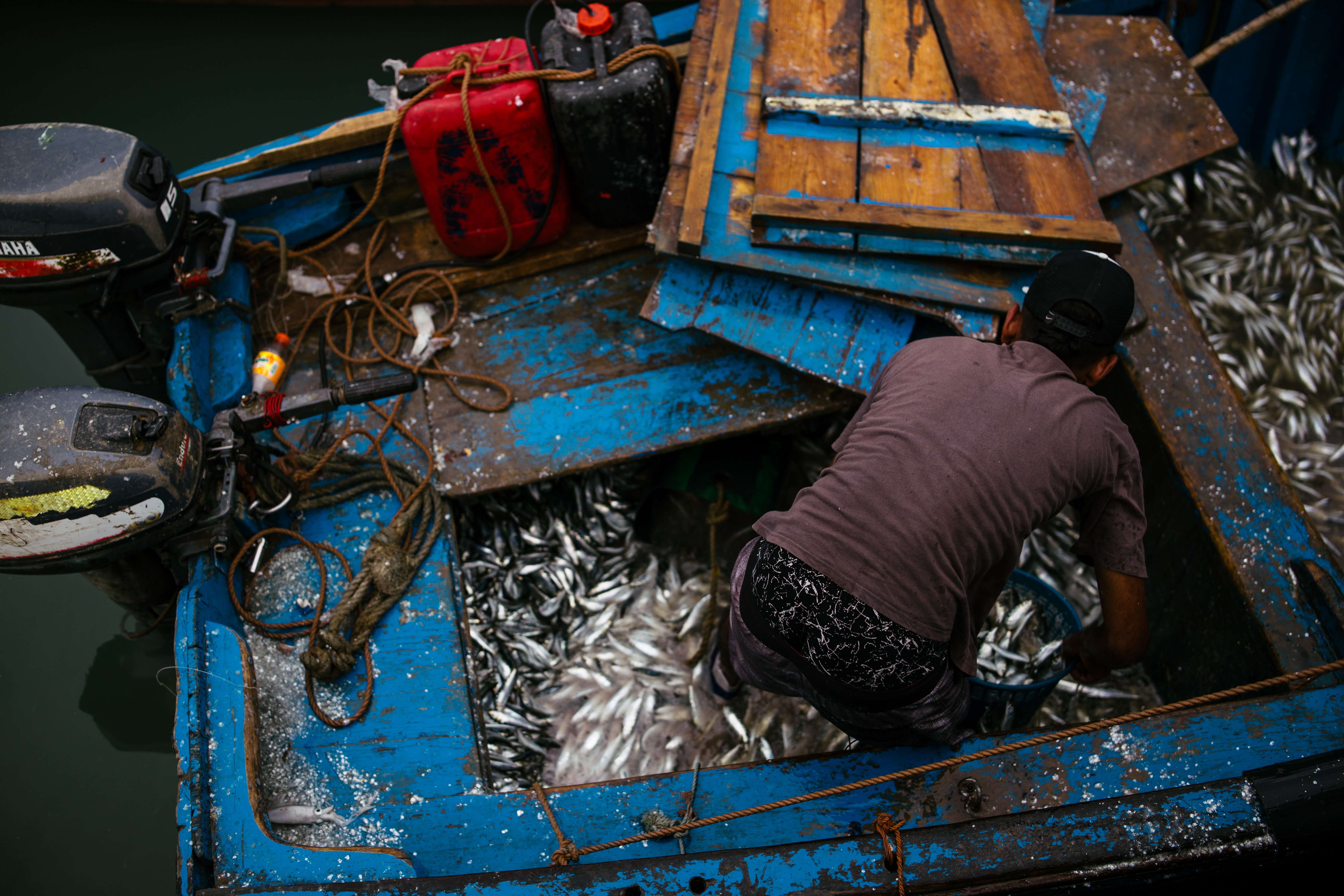
As its own stocks collapsed, Morocco looked to the fishing grounds of Western Sahara. While the western port of Essaouira, Morocco, was once a trading hub, in 2021, Morocco’s National Fisheries Office reported a 47 percent decrease in the volume of fish products departing from the port, compared to the previous year. As a result, fishers and boats in Morocco travel to waters in Western Sahara, which are “frigid and experience upwellings from the Canary Current,” making them “rich in nutrients and conducive to biodiversity,” according to a 2023 New Lines Magazine article.72
Moroccan government data from 2020 revealed that over 60 percent of Morocco’s national catch came from the waters of Western Sahara. Western Sahara’s port of Laâyoune, in particular, has become a “bustling commercial hub” and a “focal point” for the conflict, as the fish are often “packed into trucks and shipped hundreds of miles north, to Morocco,” according to the article in New Lines Magazine. “Some Sahrawis even pool together fishing permits from the Moroccan government, selling those rights to Moroccans eager to work at the major Western Saharan ports in Laâyoune.”73
In Western Saharan waters, the species targeted for the production of fishmeal include sprat, flat and round sardinella, and anchovy.74M Of these, flat and round sardinella are “overexploited,” according to a 2023 report by the European Commission. This means that these fish are being caught faster than they are able to reproduce, threatening the viability of these species in the region. The assessors recommended that both species be banned from use in the production of fishmeal; however, as of 2025, there was no indication that this advice was implemented.75M
- Flat sardinella (Sardinella maderensis)Source
- Round sardinella (Sardinella aurita)Source
- Anchovy (Engraulis encrasicolus)Source
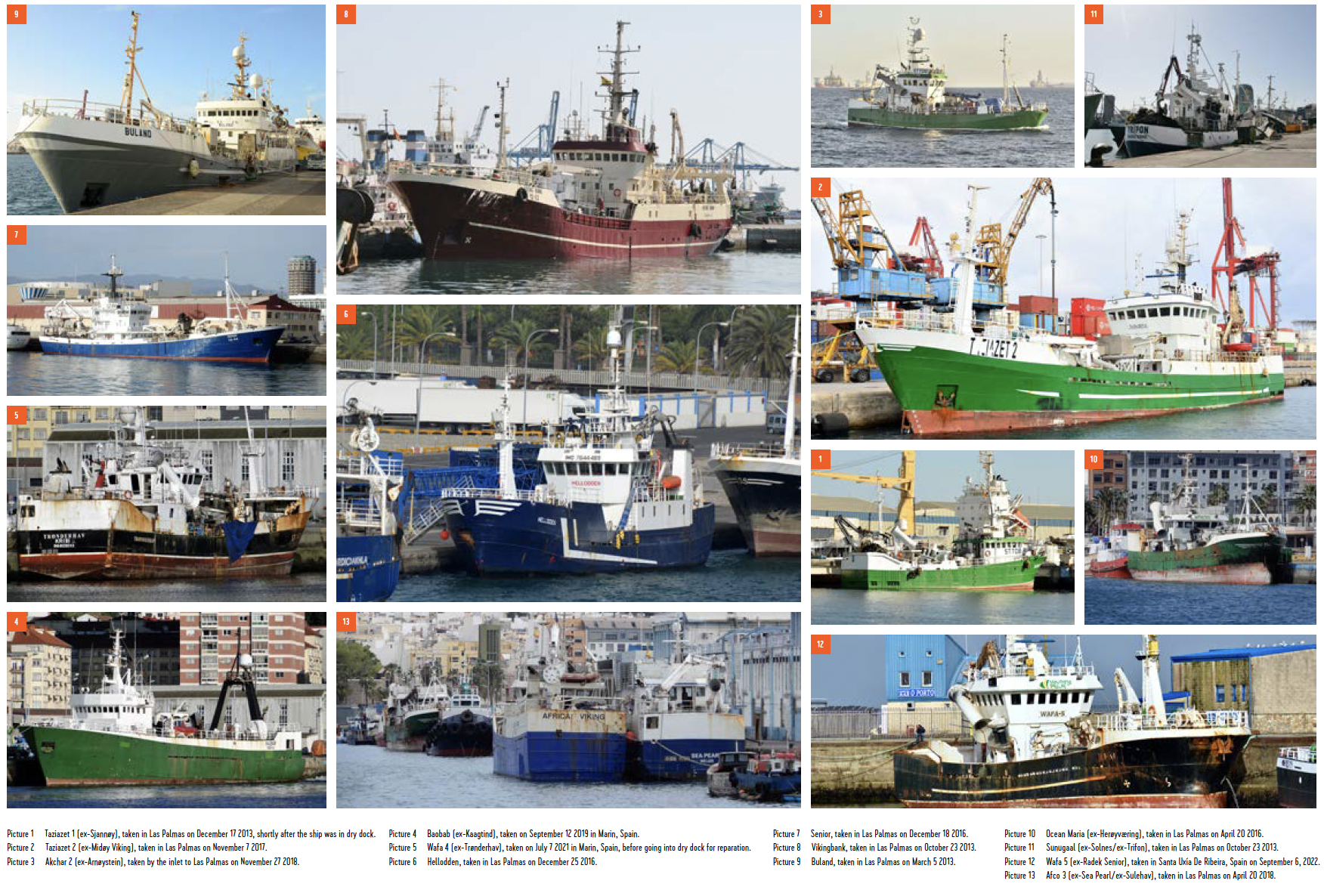
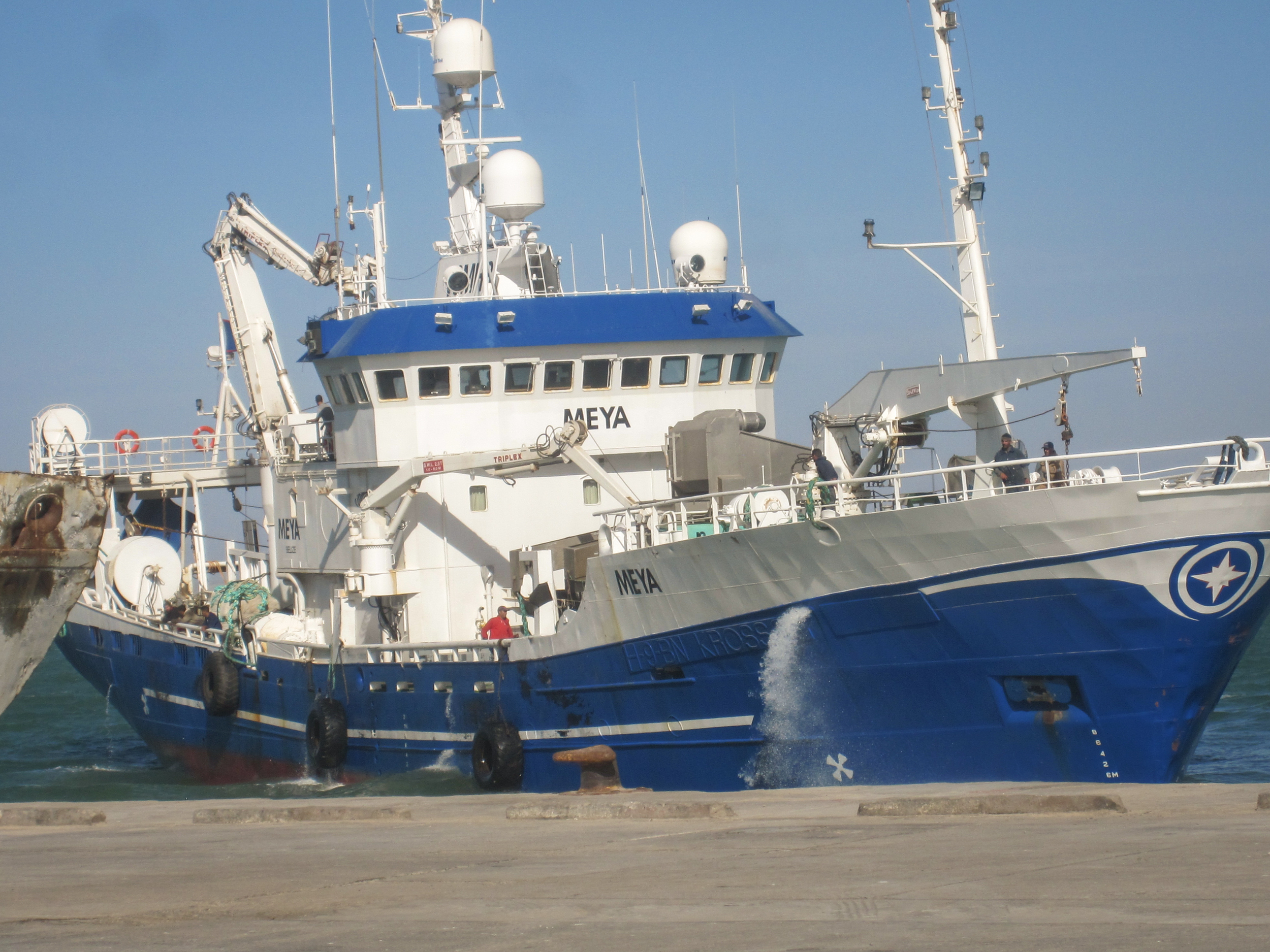
Many fishmeal ships flagged to Western Sahara are not easily identified because at least 10 of them lack International Maritime Organization (IMO) numbers, which are required by the United Nations agency, and at least 70 of this fleet’s ships are also not registered on the FAO Global Record, a database that the international community uses to monitor ships.76M
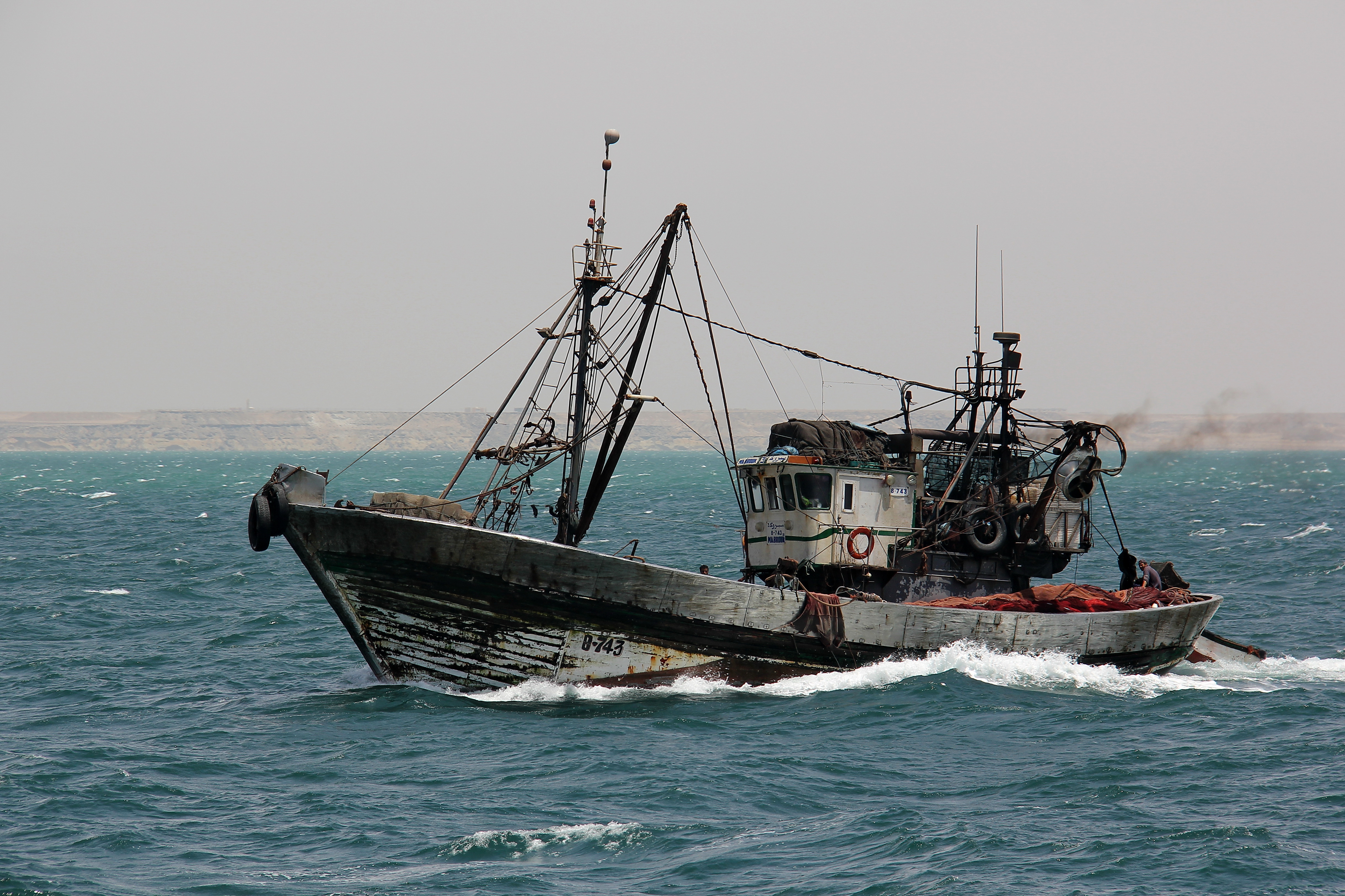
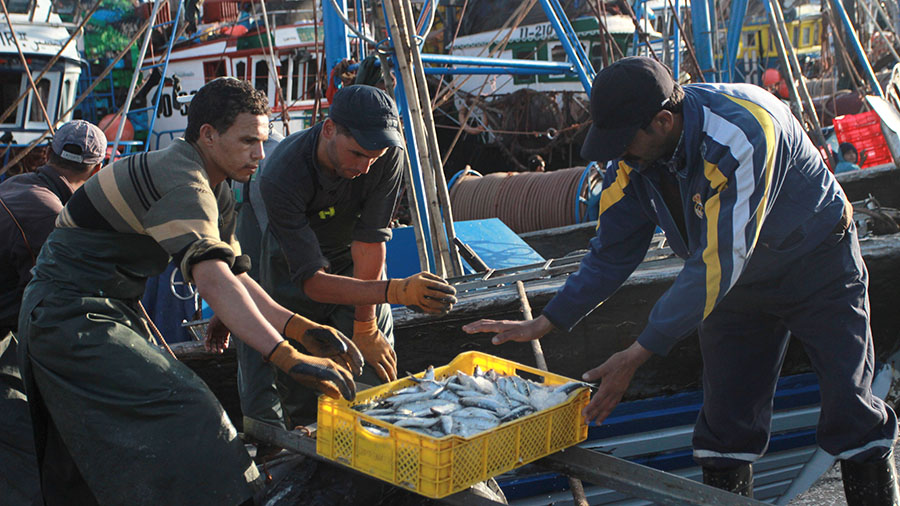
As of 2025, 14 fishmeal plants were operating in Western Sahara. Eight of these plants were located in the port city of Laâyoune, sometimes referred to as El Aaiún.77M The products exported from these plants are often labeled as being from Morocco. Fishing rights are also heavily skewed toward Morocco. In 2018, when a non-governmental organization assessed the granting of fishing licenses for Western Saharan waters, it found that most went to Moroccans, while Sahrawis had a stake in only four of the 75 licensed vessels, or about five percent of the total available licenses.78 Further bolstering their presence in Western Sahara, Morocco has plans to finish building a $1.2-billion mega-port in Dakhla by 2028. The port will include a fishing harbor, oil terminal, and shipyard.79
Fishmeal from at least one plant in Western Sahara offers an illustrative example of how resources from occupied territory make their way to Europe. This plant, called Delta Ocean, makes fishmeal that goes to an aquaculture company in Turkey called Kılıç Deniz, which since 2019 has held a certification from the Aquaculture Stewardship Council (ASC).80 This program describes itself as “setting the standard for seafood” by “accelerating the transformation of the seafood farming industry towards sustainability.”81 Since 2023, the mill has also held a certification from Best Aquaculture Practices (BAP), which purports to guarantee “safe, responsible and ethical farm-raised seafood.”82 This mill then supplies some of the largest fish farms in Turkey.83 These farms supply major grocers in the UK, including Waitrose, Sainsbury’s, and Tesco, according to a 2025 report from DeSmog, an investigative advocacy group based in the UK.84
Kılıç Deniz did not respond to a request for comment.85 Sainsbury’s head of aquaculture, David Parker, said that all Sainsbury’s own‑brand farmed seabass is required to be certified to the ASC standard. Sainsbury’s supplier has confirmed “through due diligence and written assurances from Kılıç Deniz, that seabass supplied into Sainsbury’s own‑brand supply chain was produced in line with ASC requirements and that the feed used for fish supplied to Sainsbury’s was not sourced from the companies referenced in your enquiry.”86 Waitrose and Tesco did not respond to a request for comment.87
The problem is that these particular ASC and BAP certifications strictly forbid the use of ingredients that might have been sourced illegally.88 Delta Ocean is a Moroccan company located on territory international court rulings consider occupied by Morocco, and where neither the people of Western Sahara nor their government in exile has extended permission for Moroccan ships or companies to operate.89M Delta Ocean’s operations on occupied territory would seem to introduce a violation into the supply chain that travels through the feed mill and fish farms in Turkey and ultimately onto the packaged seafood sold at these major grocery stores.90 Delta Ocean did not respond to a request for comment.91
Dive deeper — 3 of 3 in this report — Footnotes 92–116
Certification & The Growing Risk of False Advertising
As the production of seafood has become more globalized, its supply chains have stretched longer, and it has become tougher for consumers to know how it was produced and whether it was harvested sustainably, safely, legally, or ethically.92 Most grocers who sell the seafood are in the dark as well. Partly, because tracking seafood is unusually difficult and costly. The other reason may be plausible deniability. Companies can escape blame or the need to fix problems if they are unaware of them.
Where government regulators in Europe or the US have proven lacking in policing against these problems, industry-led certification programs have sought to fill the gap. These programs claim to provide assurances that the supply chains connecting the West African fishmeal industry to seafood buyers elsewhere in the world are free from ships or plants that engage in unsustainable, illegal, or unethical practices.M But critics say that these programs serve as sustainability smokescreens because their purview is not broad enough. As a result, questionable practices farther up the supply chain get overlooked.93
Various researchers and advocates have concluded that seafood certification programs suffer from systemic flaws. For instance, Allie Brudney, a senior staff attorney at Corporate Accountability Lab, a strategic litigation non-profit organization, said that on land, at processing plants, or on farms, certification programs rarely conduct true spot checks to authenticate the reassurances given by managers at the factories.94 Instead, the programs frequently alert companies before inspectors show up, which gives them a chance to clean up the scene so there are no violations. At sea, these programs also often rely on self-reported information from ship captains rather than having auditors directly visit and check conditions offshore on vessels, where crimes are most common. The programs are rife with conflicts of interest, since they are typically funded by the companies that they are supposed to police, Brudney added.95
Certification programs also do not track seafood fully through the entire supply chain, which can result in inaccurate reassurances for consumers. “Without the chain of custody, standards are not able to provide an assurance to organisational buyers and consumers that the fish they are buying was caught in the socially responsible way they are purporting,” according to a 2022 study by the University of Nottingham.96M To properly trace aquaculture seafood would require knowing not just what happens at the fish farm but what goes into the feed supplied to the farm. This would entail following fishmeal and fish oil through five stages: from ship to plant to mill to farm to fork. Usually, a ship catches the fish that gets sent to the plant that turns it into oil, powder, or pellets.M The fishmeal is then sent to a mill, where it is mixed with other ingredients, like soy, wheat, and canola meal, to become “compound feed.”97 Next, the feed gets distributed to fish farms that grow the seafood, which is finally dispatched to grocery stores, restaurant chains, or food service companies. Many of these problems have been highlighted by academic and NGO studies, including a 2020 report by Changing Markets Foundation and a 2020 report by the University of Groningen.98
Skepticism
Food safety is another concern tied to the lack of seafood tracing. Food writer Michael Pollan said that aside from climate change and sustainability concerns, there are also intense food-safety problems buried within feed. “We are what we eat, but that’s only part of the story,” he said. “We are what what we eat eats too.” This was the case with beef, which, until mad cow disease, was routinely fed to other cattle. Cows are still fed fertilizer, chicken feces, and cow blood. “I’m imagining we know even less about what goes into fish feed than we do about cattle feed,” Pollan said.99
Sara Lewis, director of programs for FishWise, a sustainability and labor non-profit organization, explained that one of the reasons these programs are flawed stems from how they were initiated. She said that aquaculture certification programs were designed on the heels of those that previously focused on wild catch and were not sufficiently tailored. “Though the intentions were to model aquaculture certifications on the wild certifications of a decade before, aquaculture has the tricky problem of needing to account for feed origins that wild fishery certifications don’t,” she said.100
Meaning & Methods of Improvement
Five certification programs are most popular in relation to aquaculture seafood. They include Best Aquaculture Practices (BAP) and Aquaculture Stewardship Council (ASC), which concentrate on the sustainability and legality of fish farming; MarinTrust, which focuses on the processing and traceability of fishmeal and fish oil; and Friend of the Sea, which certifies both fisheries and fishmeal and fish oil processors.101 Countries also rely on Fishery Improvement Projects (FIPs), which aim to improve the management of participating fisheries.M
Some ocean conservationists and labor groups have called for seafood companies and grocery chains to stop sourcing from companies or regions tied to labor, food safety, or sustainability concerns.102
Spokespeople from several certification programs disagreed with this perspective, arguing that a carrot-rather-than-stick approach is best for improving the industry. For example, Dave Martin, a spokesperson for the Sustainable Fisheries Partnership, which founded Fisheries Improvement Projects, said, “We ask our partners and those we work with around the world to stay and help fix the problems.” He added, “Fisheries in FIPs are by definition unsustainable,” which is why they are in the program. Asked by The Outlaw Ocean Project why, according to his organization’s own assessment, half of the fisheries reviewed had in recent years dropped into a “poorly managed” category, Martin cited two studies showing that fishery improvement projects help. He also pointed to factors that improvement programs cannot control, such as the performance of government regulators. In regions where governments have rolled back regulations and cut spending toward counting fish and enforcing quotas, Martin said his organization pushes for the companies that source from those waters to play a larger role in preventing overfishing.103
Some certification bodies, including MarinTrust, have played a role in “aiding and benefiting from Moroccan industries in occupied Western Sahara,” according to Western Sahara Resource Watch.104 Ten companies involved in producing or exporting fishmeal and fish oil in Western Sahara received certification from MarinTrust between 2018 and 2025.105 These certifications erroneously designate the fishmeal as having come from Morocco when it originated in Western Sahara, according to the organization. Specifically, the certifications designate the geographical location of relevant fishmeal plants as being in Laâyoune, Morocco, and Dakhla, Morocco, when both cities are actually in Western Sahara, as confirmed by multiple court rulings. These geographical designations appear to contravene the EU Court of Justice rulings, according to the letter from Western Sahara Resource Watch to NSF CEO, Pedro Sancha.106 “Until certification schemes stop certifying occupied land as if it were sovereign Morocco, consumers should treat their labels with extreme caution,” concluded the 2025 report from Western Sahara Resource Watch.107
Responsibility
In response to questions from The Outlaw Ocean Project, the various organizations that make up the certification industry emphasized that each plays its own role and cannot be held accountable for others’ responsibilities.108
MarinTrust, for instance, emphasized that its program is not meant to be the “lone driver” but a “credible partner” to governments and NGOs. Regarding labor abuse, spokesperson Libby Woodhatch said MarinTrust’s purpose is strictly to check whether factories comply with national regulations and UN labor conventions.109 ASC spokesperson Gaynyr Dickson added that “certification alone cannot resolve all issues related to the industry” and that ASC does not police labor standards directly. Instead, it relies on fish farms to get their feed from mills that have themselves been certified by other organizations. When asked if the program checks for sustainability problems with feed mills and their fishmeal producers, Dickson said they put that responsibility on the feed mills to do their own “due diligence.”110 Paolo Bray, the founder of Friend of the Sea, similarly stated that his organization does not directly audit ships for labor concerns but relies on independent auditing firms that are supposed to talk to workers in port and review CCTV footage.111 The Global Seafood Alliance, which runs the BAP program, wrote that it is the industry’s “most comprehensive program for farmed seafood” but is also “removed from the auditing and certification decision process,” which is executed instead by third-party auditors.112
Division of labor exists in every industry, though some critics say that its stakes are higher in the certification industry. “The business model is simple,” said a 2025 report from Western Sahara Resource Watch. Exporters pay for certificates, certification bodies issue them, and standard owners license them. "But when things go awry, auditors blame standards, standards blame auditors, both depend financially on the companies they are supposed to control, and almost no one answers questions, the report said. “Everyone gets paid, and when problems emerge, everyone points elsewhere.”113
Steps Taken
Two certification bodies have taken steps to confront concerns with sourcing from Western Sahara, according to the report.114
In December 2025, the ASC told a fish farming company called Azura, which raised clams in Western Sahara under permits issued by the Moroccan government, that it would not renew its certification. “Underpinned by the position of the United Nations,” the ASC said that it would “discontinue programme activities in Western Sahara” until it had the capacity to conduct more rigorous checks of human rights conditions there, or until “the process of self-determination has been completed in the territory.”115
LSQA, another certification program, also suspended its operations in the Western Sahara in July 2025. “LSQA, in alignment with international norms, considers that it is not possible to proceed with certification in Sahrawi territory” without the permission of Sahrawi authorities, the organization explained.116
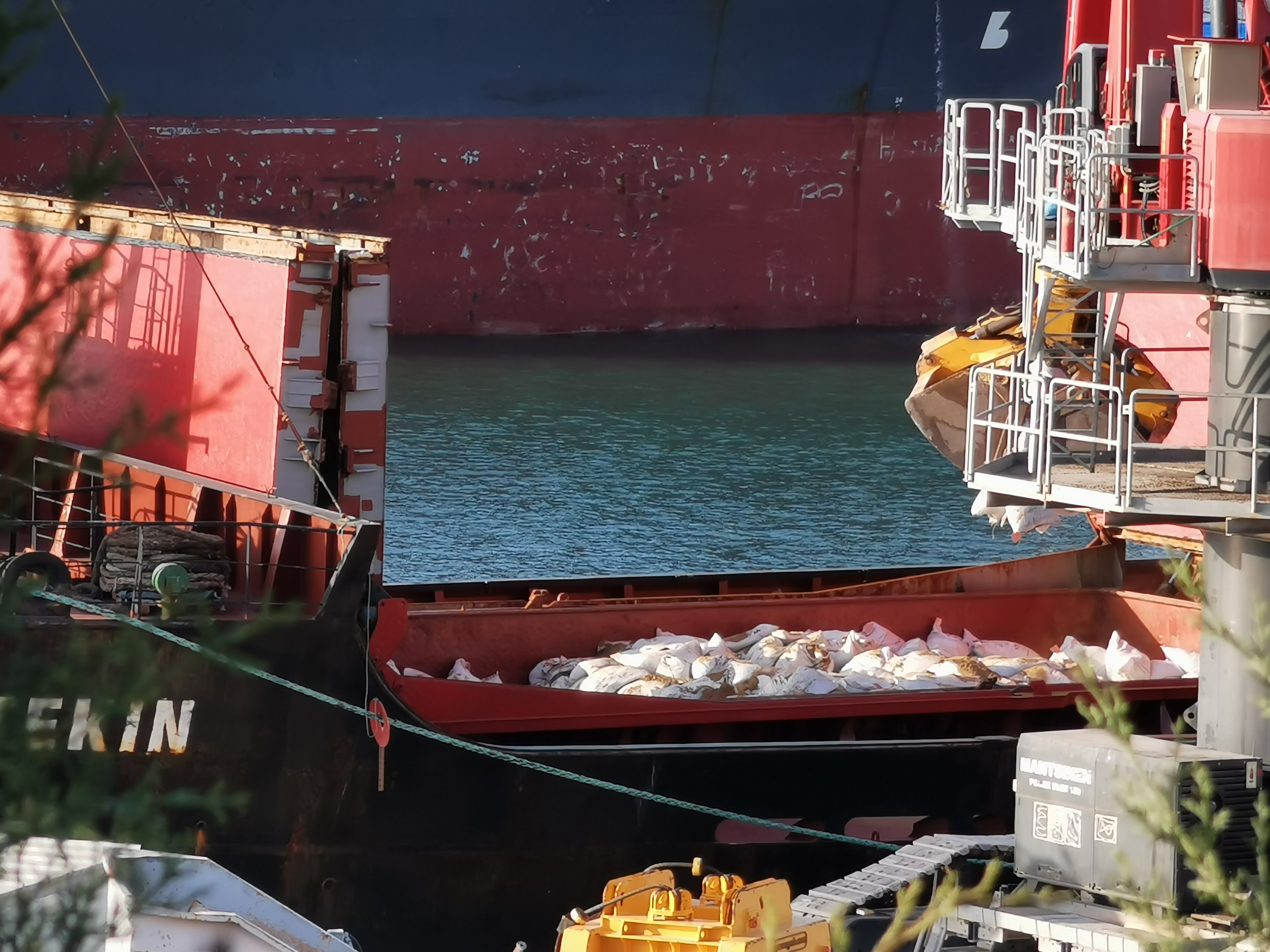
Turkey and the European Union are major beneficiaries of the trade with Western Sahara.117 In 2021, at least 16 ships carried roughly 50,500 tons of fishmeal valued at approximately $64 million from Western Sahara to Turkey.118M Fishmeal from Western Sahara has been used in feed at one of the largest aquaculture companies in Europe, Avramar.119M Norway is also vulnerable to taking illegal fish oil from Western Sahara, according to the non-governmental organization Norwegian Support Committee for Western Sahara, which in 2022 questioned whether Norway’s 40 largest fish farming companies might be using salmon feed that originated in the waters of Western Sahara in contravention of international law and advice from the Norwegian Ministry of Foreign Affairs.120 The group concluded that most Norwegian seafood companies take few steps to ensure that fishmeal feed for their salmon farms is not fished by Mauritanian or Moroccan vessels in Western Saharan waters.121M Avramar did not respond to a request for comment.122
Germany’s connection to Western Sahara lies with the port of Bremen, which is the center of fishmeal imports to Europe. In 2019, half of Morocco’s fishmeal exports to Germany came from Western Sahara and were routed through this port, according to a report by the Western Sahara Resource Watch, which also traced shipments of fish oil from Western Sahara to France and the Netherlands.123
The Polisario Front has pursued legal avenues to challenge the extraction of resources by Morocco. In EU courts, Polisario achieved landmark rulings in 2016, 2018, and 2024 that essentially voided EU agreements insofar as they applied to Western Sahara, because they lacked the consent of the Sahrawi people.124 In October 2021, Greenpeace activists from the Rainbow Warrior intercepted the Key Sund tanker in the English Channel, which was carrying fish oil from West Africa, loaded in a Moroccan port.125M
As this trade continues, political tensions in the territory have escalated. “Polisario has warned that the waters off Western Sahara are now also part of a war zone,” according to a 2022 report by the Norwegian Support Committee for Western Sahara.126