Russia: Captivity in The Business of Fishmeal Production
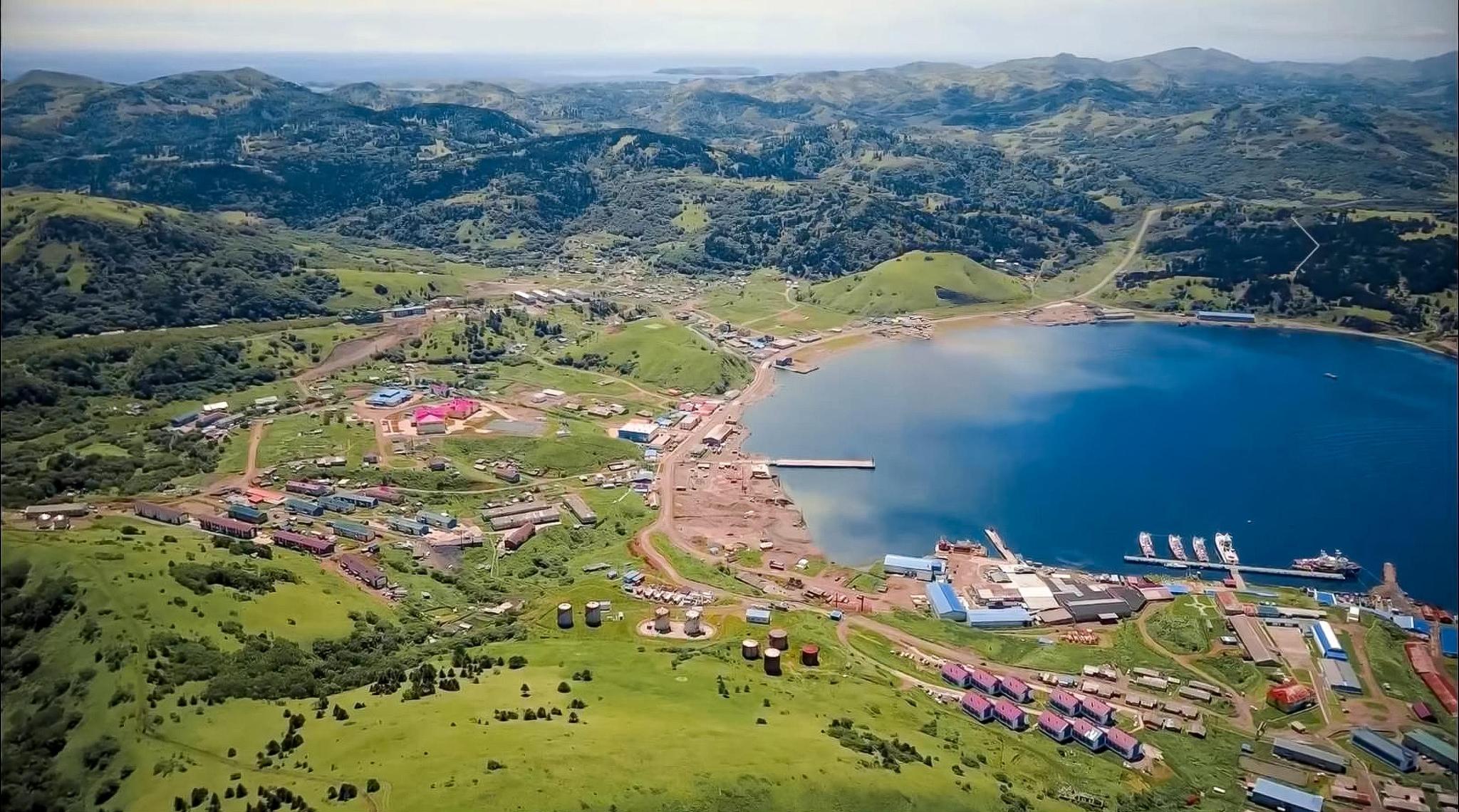
On April 14, 2016, 10 workers from a fish processing plant in Shikotan, a remote island claimed by Russia in the Pacific Ocean, made a video call to President Vladimir Putin on a television show that gave average citizens a chance to talk to the Russian leader. During their call, the workers said that the owner of their plant owed them up to five months of unpaid wages.1 “Sometimes you can’t even buy a bar of soap,” said a woman who worked at the plant as a cook.2 The workers told the president that recruiters initially promised them high salaries, but after they began working at the plant, their employer delayed their paychecks, preventing them from buying tickets to leave the island.3 “Please, help us,” a processing worker named Tatyana said.4
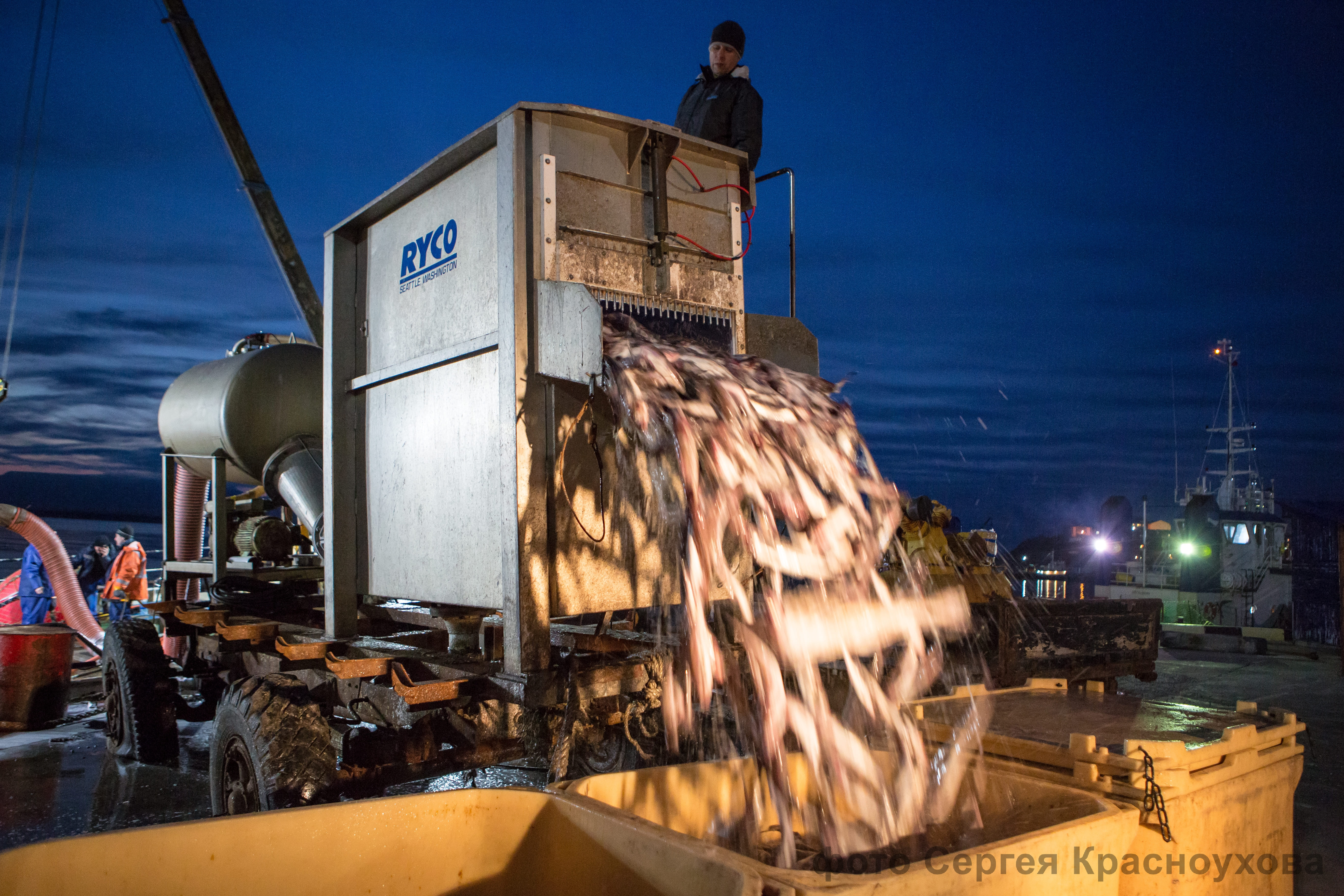
Operated by a company called Ostrovnoy, the plant was located on a remote island with a population of fewer than 3,000 people who were relatively cut off from the world, as mainland Russia was more than 450 miles away.5 The plant processed flounder, cod, pollock, and salmon, while also converting offcuts from the fish into fishmeal—a protein-rich dark-yellow powder made by cooking and pulverizing fish—which it exported to the US, Europe, Canada, and elsewhere.6 Some of the workers at the plant had ended up there after answering an advertisement that was posted online by a recruitment agency in Donetsk, Ukraine.7 The ad promised Russian citizenship and enticing amenities, including “a kindergarten, school, shops, a lot of housing on the island, and a lot of red caviar.”8 Instead, these workers found themselves trapped.9 “There’s water all around,” Elena, a production worker at Ostrovnoy, told a reporter from the television program Vesti the evening after the broadcast with Putin.10 “People have nowhere to go, no money.”11

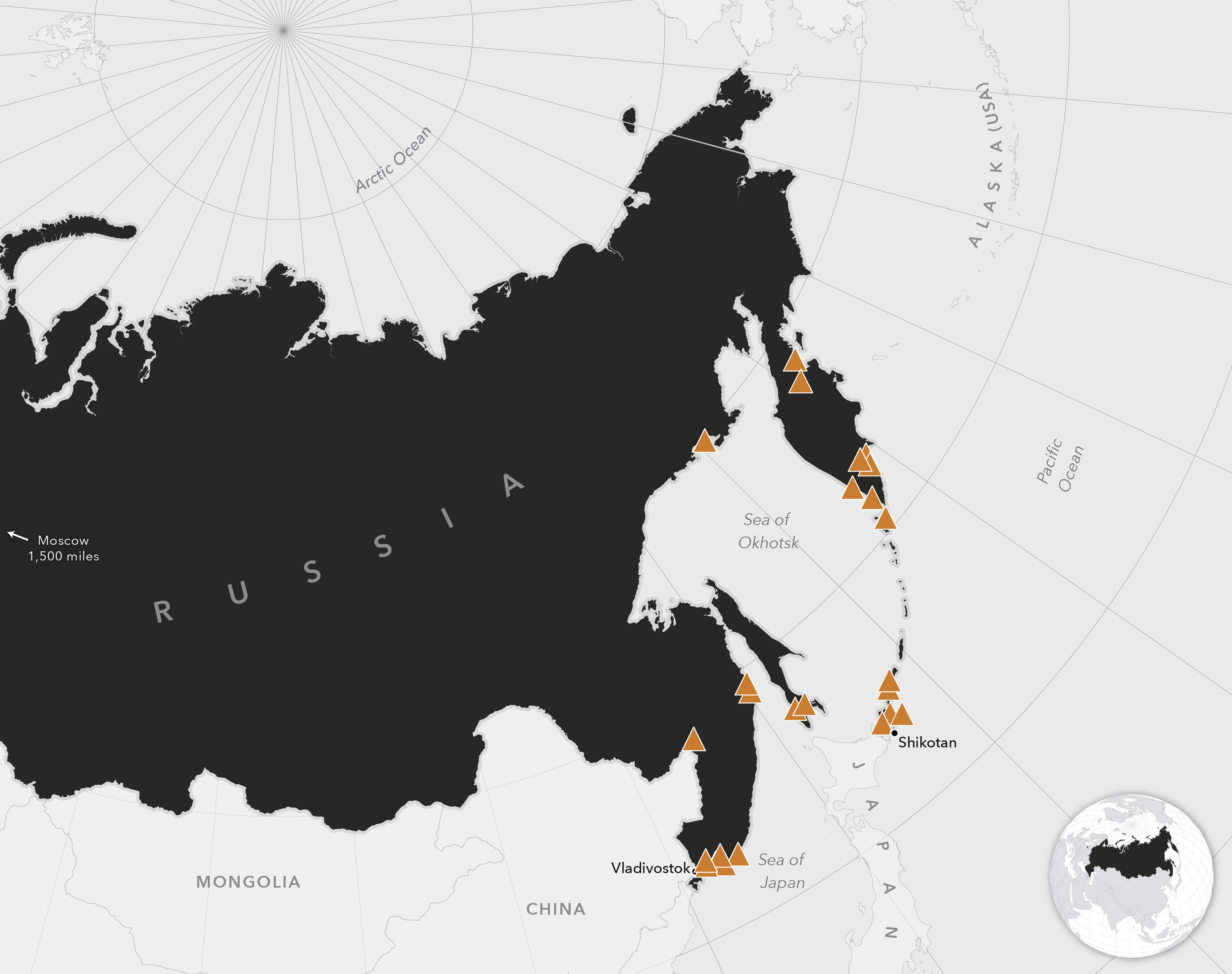
The case of the Ostrovnoy fishmeal workers trapped on the island of Shikotan highlighted a broader pattern of captivity and labor trafficking in this industry in Russia, especially when the processing plants are in secluded company towns in remote parts of the country, or workers find themselves stuck on ships far from shore. Roughly half of the factories in Russia’s Far East that now process fishmeal were first built in the 1960s.12 Global demand for fishmeal skyrocketed, especially since the early 2000s, primarily because it is used as a protein-rich supplement in the booming industry of fish farming, or aquaculture, which is the planet’s fastest-growing food sector.13 By 2025, more than 35 fishmeal plants operated in Russia, at least 30 of them in the Far East, a remote region that few labor inspectors, advocates, or journalists ever reach.M “People are held as slaves,” said a 2021 online review posted by a person described as a former worker from another Russian fishmeal plant, called Yuzhno-Kyrilsky Ryiboсombinat, which is on the remote and desolate Kunashir island, also off Russia’s eastern coast in the Pacific Ocean.14M Ostrovnoy Fish Processing Plant LLC and PCF Yuzhno-Kyrilsky Ryiboсombinat Co. Ltd. did not respond to a request for comment.15
Labor abuses in Russia’s fish processing and fishmeal industries are pervasive. Between 2018 and 2025, Russian fishmeal plants and the ships that supply them have reportedly been tied to worker deaths, as well as a variety of labor concerns and environmental damage, according to news reports, government documents, trade records, and court filings compiled in Bait to Plate, a tool created by The Outlaw Ocean Project that tracks the world’s fishing and seafood industries.16M During this period, at least 23 workers died in fishmeal plants and on ships, often as a result of fishers being lost overboard in freezing waters or suffering massive trauma from falling or broken fishing gear.17 On at least 60 occasions, workplace practices and conditions in fishmeal plants and on fishing ships raised serious concerns for the welfare of workers, who reported unsanitary living conditions, being frequently paid less than what was owed, and being denied breaks—even during shifts lasting 12 hours or more.18
In news coverage and on online platforms such as Telegram, a popular social media app, as well as on Yandex, a search engine and mapping service, workers from fishmeal plants and related ships described having been lured by promises of high pay that proved illusory once they were on the job. “The plant does not pay the promised salary,” wrote one commenter on Yandex Maps in January 2024, who said they had worked at the Krabozavodsk fishmeal plant in Shikotan. Workers claimed they encountered “constant deception and violation of labor laws.”19 In 2024, an online reviewer said in a comment on 2gis that executives of the Kamchattralflot fishmeal plant in the northeast peninsula of Kamchatka abruptly turned a group of workers away from their dormitories during freezing weather, telling them that they had been fired.20 “Get out,” they told the workers, according to the account. “This isn’t a hostel.”21M Neither Kamchattralflot nor the parent company of the Krabozavodsk plant replied to a request for comment.22
On fishmeal ships, the captivity and conditions were often even worse. In January 2020, NBAMR, a large fishing company that also operated a fishmeal plant in Nakhodka, dismissed six fishers on its BMRT Astronom and withheld their wages, claiming that they committed disciplinary infractions.23 The crew members said that they ate expired food—including meat that had to be soaked in vinegar to mask the smell—that there was no water for washing after work, and that they were required to work inside a malfunctioning freezer without ventilation, creating severe health hazards. The fishers said they were paid half of what had been promised. In April 2020, the Nakhodka Prosecutor’s Office found the company in violation of federal labor laws.24M In response, the prosecutor’s office ordered NBAMR’s general director to correct the labor violations by providing them with back pay.M NBAMR did not respond to a request for comment.25
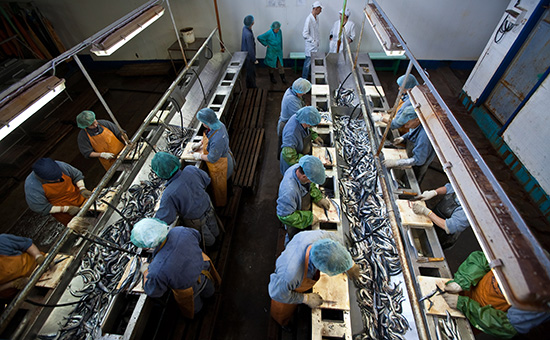
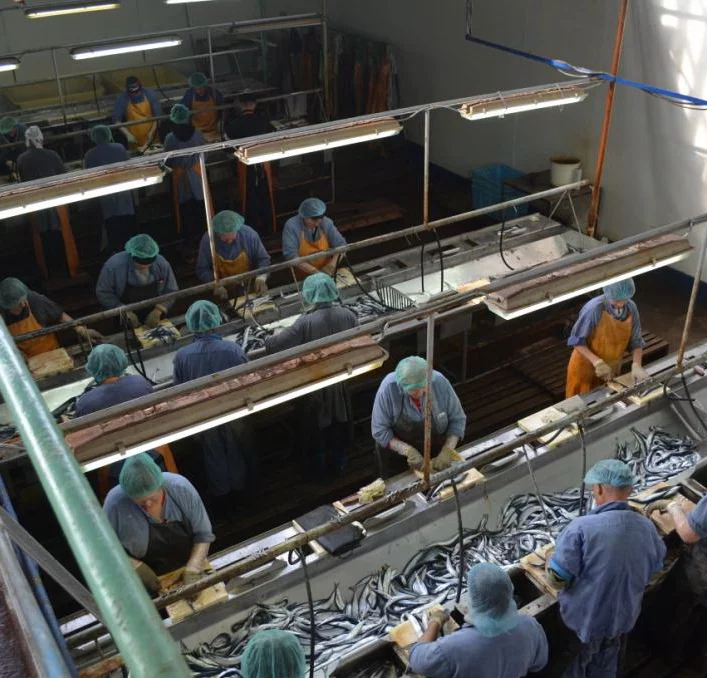
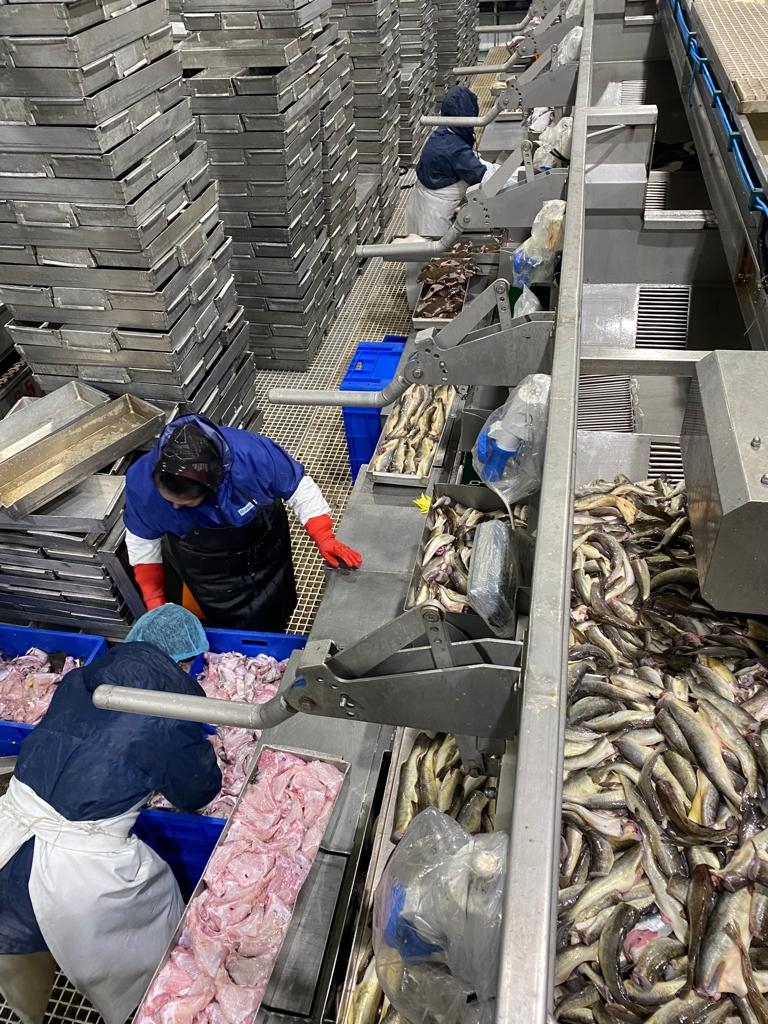
Online warnings offer further insight. In April 2021, for instance, a worker from a fishing vessel owned by Preobrazhenskaya Base of Trawling Fleet, which operates a fishmeal company on the coast of the Sea of Japan, wrote that advertisements for high wages were “pure deception.”26 Once he boarded the ship, he found it was practically impossible to earn the amount promised, he explained. “Don’t believe a word of it,” he warned job applicants.27M Preobrazhenskaya Base of Trawling Fleet did not respond to a request for comment.28
At least 70 ships in the Russian fishmeal fleet are factory vessels that process their catch on board, which means they return to shore even less frequently than typical fishing ships.29 Working conditions in these onboard factories are often unsafe. A review by a former worker on a fishmeal trawler owned by the Russian Fishery Company described an agonizing lack of ventilation in the ship’s factory.30 “Take action before someone dies,” he wrote on the business directory site, Vl.ru, in August 2022, recounting how crew on the ship were sometimes shut in the room without fans when the temperature exceeded 80 degrees Fahrenheit.31M Russian Fishery Company did not respond to a request for comment.32
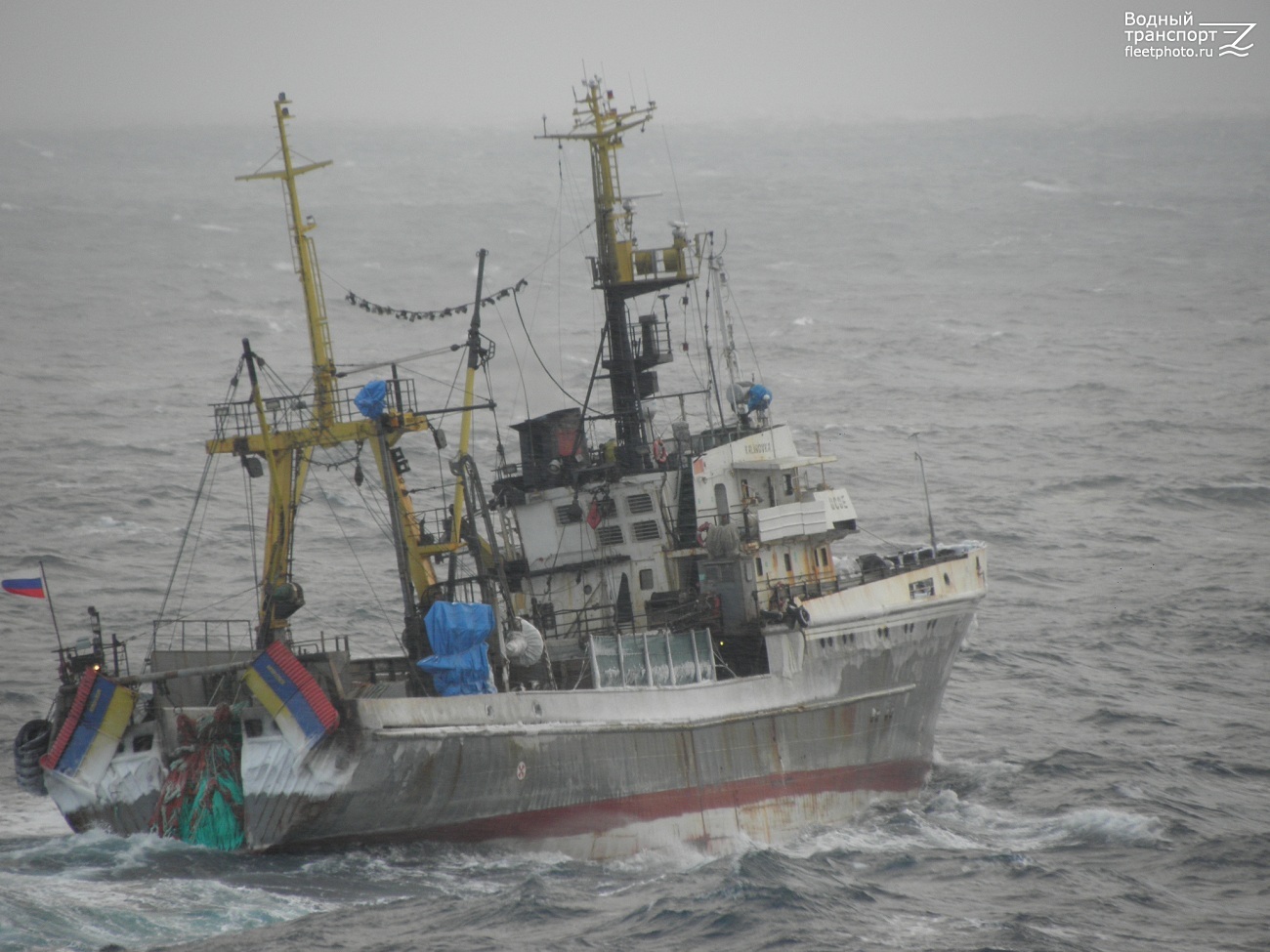
Some of these jobs are quite dangerous. Globally, fishing is ranked as the deadliest profession, with more than 100,000 fatalities annually.33 On January 14, 2020, during a voyage in the Russian Far East, a worker named Victor Boshko on board the Kalinovka was helping set up the trawl when his hand was pinned between the slipway and the pull-out cable, which tore off part of his thumb and crushed part of his forearm, causing a brachial artery rupture.34 The ship was owned by a company called Dobroflot, which operates a fishmeal plant in Nakhodka.35 The captain transferred Boshko to a Dobroflot vessel named Zaliv Vostok, where a doctor performed emergency surgery to stop the bleeding.36 Boshko was then put back on the Kalinovka. Feverish and in pain, he could not sleep. His hand and arm soon became infected.37 While stuck on the ship, Boshko signed documents admitting guilt in the accident under what local media said was pressure from the company. Nearly two weeks after his injury, Boshko was brought to shore, by which time his infection had worsened, leading doctors to amputate much of his arm, a drastic step that they said could have been avoided.38 Dobroflot “should have called a helicopter right away,” said Boshko, who subsequently sued the company.39 An investigation into the case by Primorsky Transport Prosecutor's Office found that the captain had not been negligent because, at the time of the incident, the ship could not reach port due to ice.40
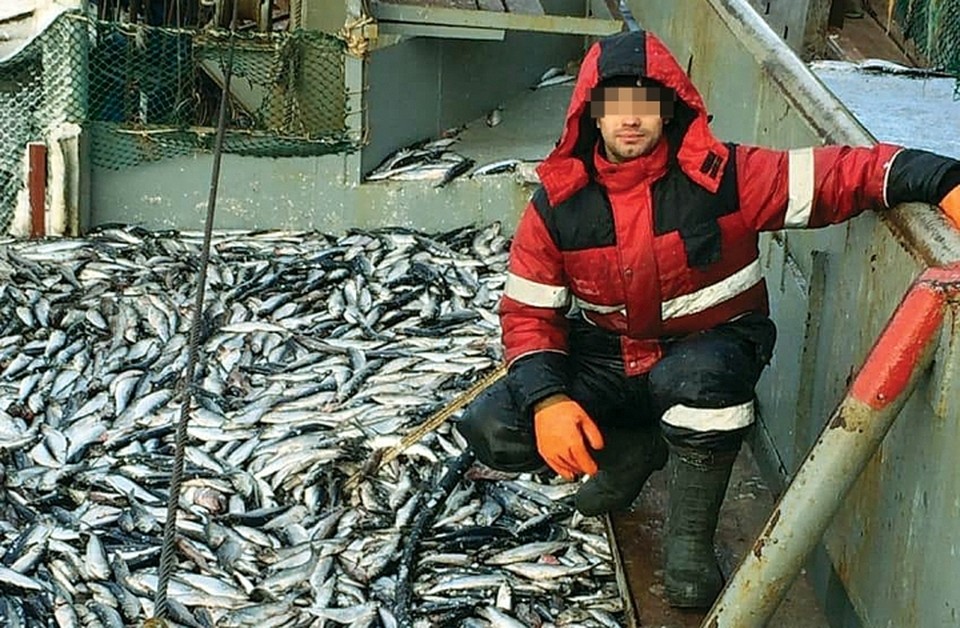
Other workers on Russian fishmeal ships faced bleaker fates. Between 2020 and 2023, at least three crew members died from accidents on a single ship called the Vsevolod Sibirtsev, also owned by Dobroflot, prompting Russia’s Investigative Committee to open criminal cases over possible negligence. On May 2, 2020, an explosion on the ship killed a welder.41 Two months later, a mechanic died after getting caught under an autoclave trolley on the ship.42 On July 25, 2023, another mechanic lost his footing while working on the upper deck and fell into the hold, leading to his death.43 Dobroflot did not respond to a request for comment.44
As in many other countries, the environmental concerns associated with Russia’s fishmeal industry are tied to overfishing, stench, and illegal releases of waste. The most common species fishmeal factories use include Pacific saury, herring, and pollock.45M Pacific saury was identified as “heavily overfished,” a trend that has persisted for at least a decade, according to a 2024 report by Harvest Strategies.46 Additionally, herring in the Northeast Atlantic—an area where they are targeted by Russian ships—have also been “dramatically overfished.”47 This means that the fish were caught faster than they could reproduce, threatening the long-term health of these stocks.M
Dive deeper — 1 of 2 in this report — Footnotes 48–69
Fishmeal Sustainability: Walking North on a Southbound Train
The fishmeal industry and aquaculture industries have made a variety of arguments about their sustainability. For example, the IFFO, which is the international fishmeal association, has emphasized that its “role is not to advise which markets should use fishmeal and fish oil.”48 Véronique Jamin, a spokesperson from the organization, said that fish farming is “the most efficient animal protein system” and “is becoming more efficient over time, not less: lower inclusion rates of fishmeal/oil, higher digestibility of alternative ingredients, better feed formulation through precision nutrition.”49 She added: “Sustainability frameworks won’t work if they ignore real-world economics,” and seafood companies have to respond to “what people actually want to buy and eat.”50
Ocean researchers and marine historians, however, offer a different view about global demand for fishmeal and farmed fish.51 First, they contend that it was the aquaculture industry itself that is driving increased demand for farmed fish. "Classic market economics explains that making a resource cheaper and more efficient does not curb its use; it increases it," said a 2026 report by the Aquaculture Accountability Project. "Instead of meeting a preexisting need, confining hundreds of thousands or millions of fish in net pens to produce cheap seafood has created what economists call ‘supply-driven demand.’”52 A 2024 study by Science Advances furthered this point: Aquaculture companies have “driven an increase in demand for salmon, rather than having simply met a pre-existing demand.” The research concluded that the aquaculture industry has exponentially increased the supply of affordable “premium” fish like salmon, leading to higher demand, the opposite of its claim to be meeting an existing need.53
In defense of its sustainability, the feed industry has also emphasized that it is decreasing its reliance on fishmeal and fish oil, and especially on the use of whole fish or fish that can be eaten by people. Over 58 percent of fishmeal and fish oil globally comes from whole fish in 2026, according to international fishmeal association data. At least 90 percent of the fresh fish turned into fishmeal and fish oil is food-grade, edible to humans, according to a 2017 study published in the Fish and Fisheries journal.54 The IFFO has said on its website that between 2000 and 2020, the proportion of fishmeal in aquaculture feed at fish farms globally decreased from 23 percent to eight percent.55 Some experts have predicted, however, that the total amount of global fishmeal production could rise by nearly 10 percent between 2022 and 2032, mostly from trimmings—fish offcuts not suitable for human consumption—according to the FAO.56 Overall demand for fishmeal also seems to be increasing.57 Five of the world’s largest salmon companies, for instance, increased their absolute use of fishmeal and fish oil made from whole wild fish by as much as 39 percent between 2020 and 2024, according to a report from the Farm Animal Investment Risk and Return Initiative.58
Meanwhile, global fishmeal supplies could be tapped out as soon as 2028, according to Novel Sharma, a Rabobank analyst specializing in seafood and aquaculture.59 “A shortage is inevitable,” the report said.60 This means that the industry's claims about the supply, demand, and sustainability of fishmeal require broader context. While individual sectors or companies may be decreasing their use of fishmeal, the overall industry is not likely decreasing at a rate that makes it sustainable. The industry’s claims, then, resemble someone walking north on a southbound train: Individual actors may be moving in the right direction, but not nearly fast enough to change the outcome.
Assessing the climate impact of carnivorous fish farming is also complicated.61 The industry markets aquaculture seafood as a climate-friendly protein source.62 However, its true carbon cost is sometimes obscured by selective accounting, particularly the omission of fishmeal production, which accounts for at least half of industry emissions.63 Comparing the climate impact of food per pound can also make farmed fish appear artificially more efficient, but one pound of water-dense cod provides only a third of the calories of one pound of pork, distorting the reality of consumption.64 Meanwhile, over 165 million metric tons of CO2—equivalent to the annual emissions from all passenger cars in the UK—have been released into the atmosphere as mangroves and seagrass beds have been destroyed to make way for the global expansion of coastal fish farms, further undermining long-term carbon storage.65 When emissions from fishmeal, habitat loss, and global supply chains are accounted for, catfish and other intensive aquaculture products can rival or exceed poultry and pork in total climate impact, according to a 2018 Science study.66
Bill McKibben, a climate-change expert and author of Here Comes the Sun, said that hope is not lost, especially looking at promising trends tied to even some of the most intransigent global systems like fossil fuels.67 Between 2022 and 2024, the world nearly doubled its solar power capacity from two to three terawatts, and it was on track to increase by another three terawatts by the end of 2026. As of 2025, solar was growing faster than any other power source in history. The shift was largely driven by developments in the 2020s that enabled solar power, for the first time, to become cheaper than fossil fuels. China, Pakistan, and several countries across Africa led the charge to divest from distant supplies of oil and natural gas and take up local supplies of sun and wind.68 “If it can happen with energy, it can happen with food,” McKibben explained, adding that a relocalization of aquaculture, which pushes toward sustainable species like mollusks and away from those that rely on feed sources like fishmeal, is possible if international demand for things like salmon or shrimp decreases.69
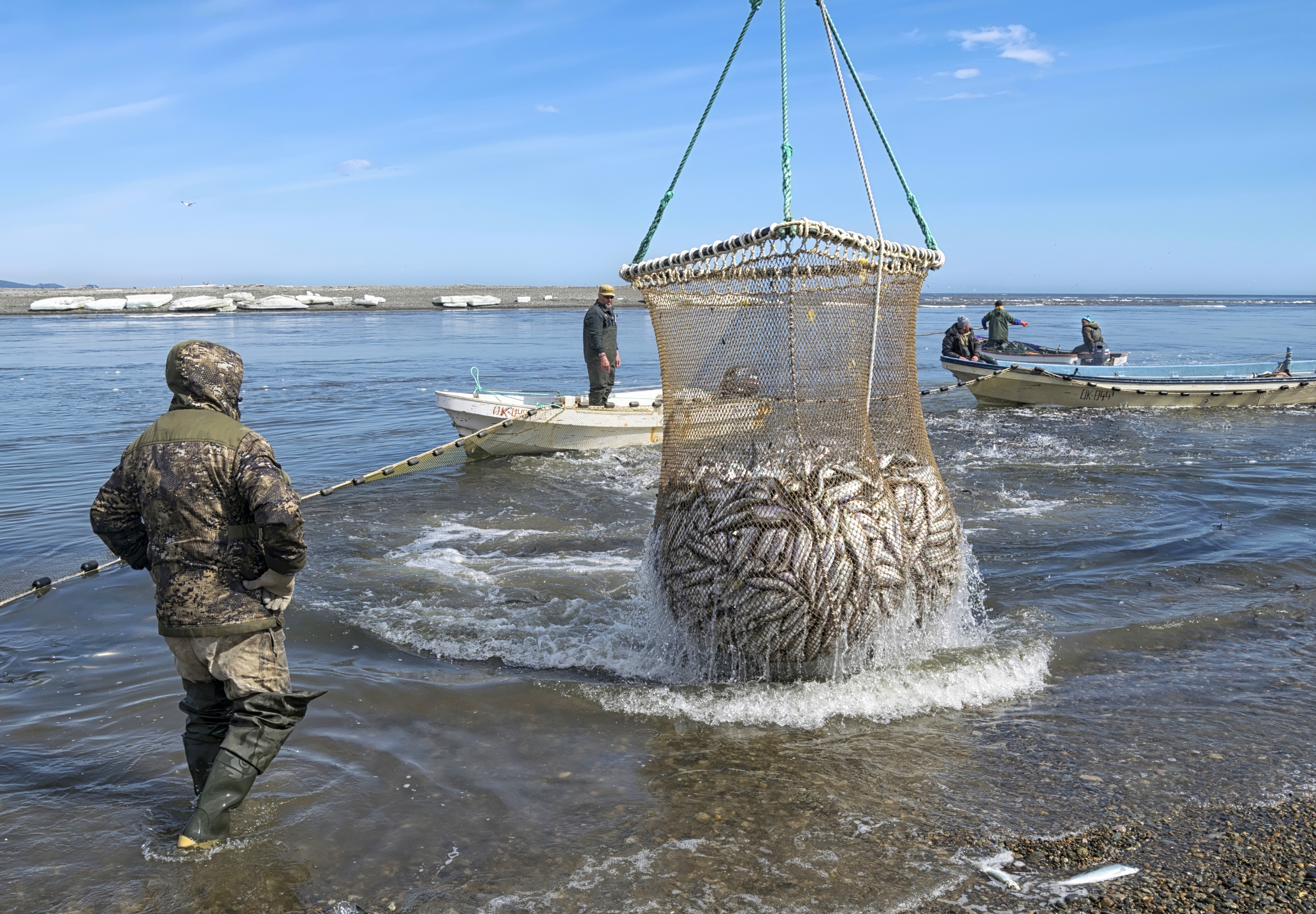
The Russian fishing fleet relies heavily on a tactic called bottom trawling, in which a vessel tows a net, often hundreds of feet wide, along the ocean floor. Bottom trawling is a particularly destructive form of fishing because of its bluntness: Anything in the net’s path—including non-target species and dolphins—is swept up, often fatally. Between 2019 and 2024, dozens of vessels supplying fishmeal to plants in Russia likely bottom trawled for more than a combined 32,800 days, according to an analysis by Global Fishing Watch, an ocean monitoring firm.70M
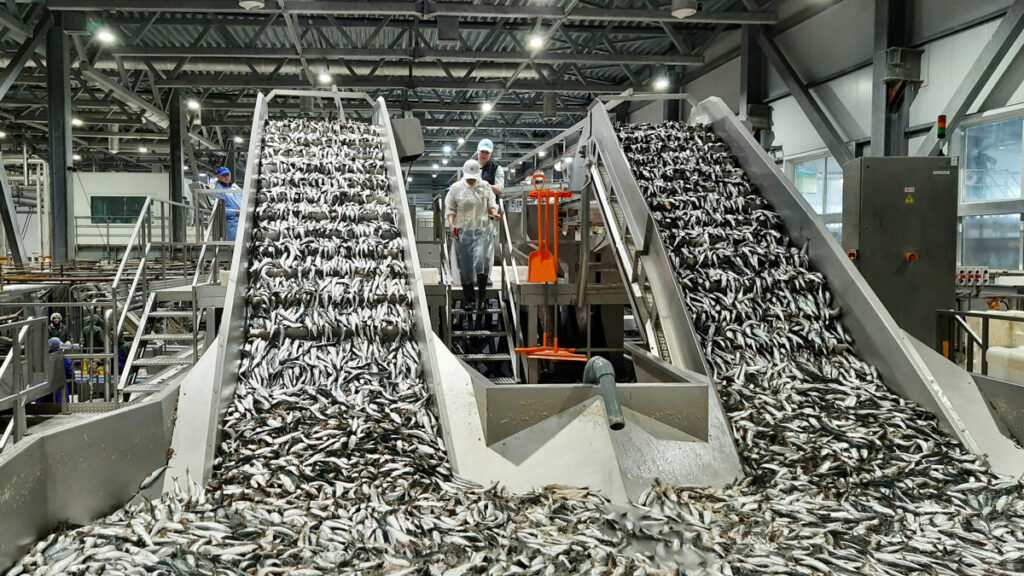
The neighbors of fishmeal plants in Russia have taken to online review boards to discuss the stench caused by the plants. In 2023, residents of Bolshoy Kamen, on the coast of the Sea of Japan, complained about a persistent foul odor that they attributed to Dobroflot’s fishmeal plant. Water utility workers told the media outlet Deita that the company was discharging untreated waste into the town’s sewage system.71M Plants allegedly polluted the environment at least nine times, with one resident living near a plant writing, “It’s impossible to breathe!” in a comment on the mapping service 2gis.72 (Dobroflot did not respond to a request for comment on these complaints.)73
The stench from the plants is more than just a nuisance for people living nearby. The stink corrodes the local economy by undercutting tourism and scaring away restaurant patrons and beach visitors. The foul smell is also an indicator of the release of noxious chemicals like ammonia, hydrogen sulfide, cyanide, and methane, which are known to contribute to higher levels of serious health problems, including nausea, pulmonary edema, and even death among plant workers and neighbors.74 The worst part of the odor comes from trimethylamine, or TMA, a colorless gas characterized by a “fishy” smell. In 2021, the Society of Chemical Industry identified TMA as “strongly toxic and carcinogenic.”75 More than 74,000 people live within a mile of fishmeal plants in Russia, according to The Outlaw Ocean Project’s Bait-to-Plate tool.76M
Dive deeper — 2 of 2 in this report — Footnotes 77–100
Why the Sea Became a Protein Mine
The science of animal feed—combining corn, soy, grain, and other ingredients like fishmeal to raise livestock faster, more efficiently, and at a larger scale—was central to the rise of modern civilization.77 Techniques of animal husbandry developed roughly 12,000 years ago in the so-called “Fertile Crescent,” an ancient area stretching from Mesopotamia to Egypt.78 Alongside advancements like irrigation and the plough, the domestication of livestock was essential for humans to create the stable food supply that they needed to settle and eventually to develop cities.79 Shifting from grazing to penning animals required farmers to provide them with balanced diets.80
Historically, marine life itself has experienced a conceptual shift. First, these creatures were animals that served mostly as sustenance for seabirds, marine mammals, and larger predatory fish, and, on a local scale, as food for humans. Next, they were seafood to be eaten by humans on an industrial and global scale. Then, with the rise of the reduction industry, marine creatures emerged as an ingredient in the form of flour, oil, or protein, destined as livestock feed.81 Ocean habitats became calorie factories.
Kristin A. Wintersteen explains how and when the modern world began using the sea as a protein mine.82 In her 2021 book, The Fishmeal Revolution, she chronicles how the Humboldt Current, a cold, nutrient-rich upwelling system that runs along the Pacific coast of South America, was reconceptualized from being a living marine ecosystem into a place to extract raw materials. This “revolution,” she explained, converted Peru into the fishmeal superpower it is today, now accounting for roughly a quarter of global production. This historical transformation made fishmeal the key ingredient that helped fuel the post-World War II expansion of industrial chicken, hog, and later fish farming—especially in the US and northern Europe. This shift, which has since extended far beyond the waters of Peru to include the coastline of West Africa, has also severed consumers from the ecological and human costs of production.83
- Pacific Saury (Cololabis saira)Source
- Herring (Clupea harengus)Source
- Pollock (Gadus chalcogrammus)Source
Fishmeal and its rise as a staple feedstock have come with a variety of hidden costs that rarely show up on the balance sheets of the seafood companies that rely on it. These hidden costs, or what economists call “externalities,” are instead paid by the environment and by people who are far from where the seafood gets eaten.84 The oceans also pay an especially heavy and unseen toll from this industry. More than a fifth of all marine life pulled out of the water globally was swallowed up by the feed industry in 2022, according to the UN’s Food and Agriculture Organization (FAO).85 Reduction fishing often relies on purse-seine or trawl nets that can trap large amounts of non-target fish, or bycatch, significantly impacting the ecosystem by removing key prey species.86 As such, the reduction industry represents a stark example of “fishing down the food web,” where fishing shifts toward smaller, less valuable species as larger, predatory fish stocks decline. The true cost of farmed fish is not what appears on the restaurant menu or the grocery store packaging.
Most fishmeal is used by the aquaculture industry. This is ironic since, historically, the global push toward aquaculture has been bolstered by the idea that farming fish on land lessens the need to take so many from the sea. Using fishmeal to feed fish farms, however, has turned this goal upside down, and fish farming is accelerating ocean depletion. The toughest challenge to farming carnivorous fish is feeding them. Food constitutes roughly 70 percent of this industry’s overhead, and so far, the only commercially viable form is fishmeal.87 The aquaculture farms that yield some of the most popular seafood, such as salmon, tuna, shrimp, carp, or European sea bass, often consume more fish than they ship to supermarkets and restaurants.88 Before it gets to market, a farm-raised tuna, for example, can eat more than 15 times its weight in free-roaming fish that has been converted into fishmeal.89M
Aquaculture has existed in rudimentary forms for centuries before it became industrialized on a large scale in the 1980s, and it has some clear benefits. Fish farming provides millions of people with year-round access to affordable protein.90 In India, aquaculture is a crucial source of jobs, especially for women.91 In Bangladesh, fish farming has driven an overall decline in the price of fish, making it more accessible for lower-income households.92 Even when feed—including ingredients like soy and fishmeal—and transport to the US are taken into account, some types of fish farming, such as tilapia and Atlantic salmon aquaculture, have lower greenhouse gas emissions per pound compared to beef and pork.93 Farming bivalves, including clams, oysters, scallops, and mussels, is particularly sustainable: These species typically require no feed and use minimal land and freshwater.94 They also produce shells that can function as a form of carbon capture, according to a 2020 Nature Food study.95 As of 2022, roughly a third of global aquaculture did not require external feed inputs.96
Fish In:Fish Out
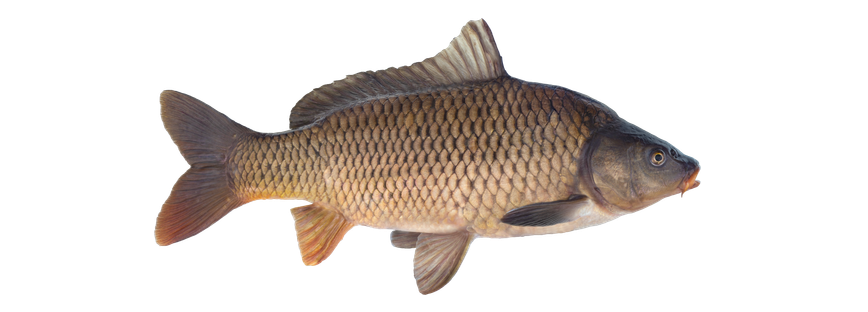
It can take more than 730 wild-caught Peruvian anchoveta to grow a single farmed salmon.
Wild anchoveta needed per farmed animalMEvery mark is one anchoveta, at one size
730anchoveta 1 Salmon
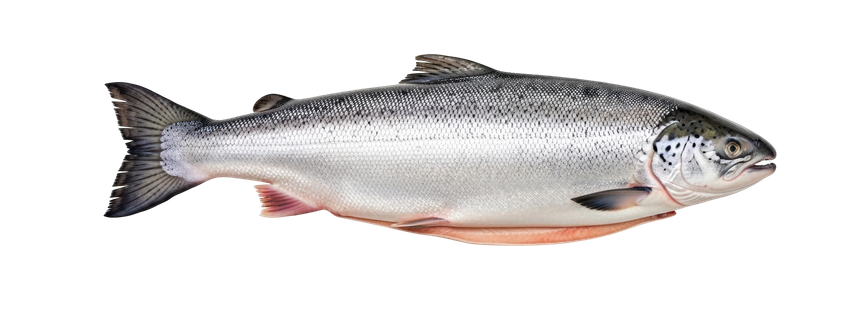
390anchoveta 1 Trout
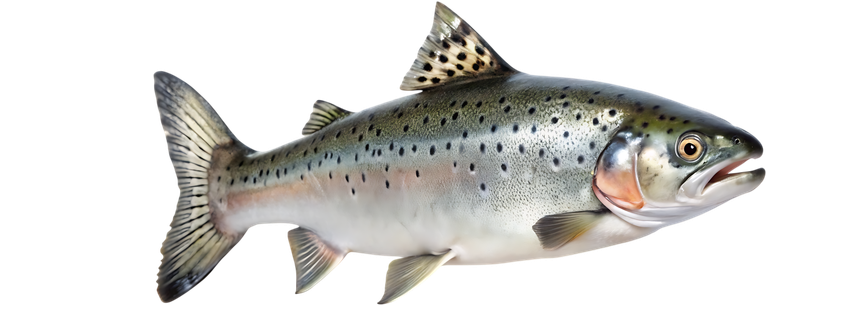
3anchoveta 1 Carp
1anchoveta 1 Shrimp

As the planet’s population has grown, so too has competition for key nutrients. Countries are struggling to reduce their reliance on imported meat in a bid toward “protein sovereignty.”97 Investors are chasing alternative protein sources like plant-based or lab-cultivated meat. Disruptions such as the avian flu and the Russia-Ukraine War have led to sharp jumps in meat prices, casting new focus on the interconnectedness and volatility of these commodity markets. “With increasing frequency, wealthy, food-importing countries and private investors are acquiring farmland overseas,” said a report from the Wilson International Center titled “Land Grab? The Race for the World’s Farmland,” explaining that many of these purchases are for the sake of growing more food.98
In the context of this global fight for prized resources, feed represents a hidden battle behind the broader war. Competition is especially fierce for crops, particularly soy, that are fed to livestock. “China, the US, and Brazil are the world’s three largest producers of meat by far, and they all rely on and are bound together by one commodity: the soybean,” said a 2024 podcast by Carnegie Endowment for International Peace.99 “In 2024, US-China trade tensions are mostly centered on high-tech products like semiconductors or critical minerals. But in 2018, one of the first battlegrounds for these superpowers was the soybean.”100 As with soy, the scramble for fishmeal and fish oil is fueled by the same geopolitical desires for sovereignty and control over vital resources. And yet, this contest is happening not on land but at sea, where there is far less focus from journalists, governments, and environmental or human rights advocates.
To some degree, the labor and environmental concerns tied to Russian fishmeal are facilitated by the remote nature of the work, whether in plants or on ships. Most of Russia’s fishmeal factories are thousands of miles away from the country’s biggest cities. Visits from journalists or inspectors are less frequent. These plants are also far from the majority of Russia’s fish farms, which are concentrated in the west and fed by fishmeal from Europe, which is closer and entails cheaper transport.101 Russia’s fishmeal plants in the east largely feed the export market, which more than doubled between 2018 and 2023. Most of the fishmeal was shipped to China and South Korea, according to an analysis by the Fishery Shipowners Association.102
Russian fishing companies have historically benefited from government support. Russia gave at least $1 billion in subsidies to its fishing industry in 2018, according to a study by the University of British Columbia.103 Fishing subsidies are controversial because many researchers say that they can put too many fishing ships on the water, which accelerates overfishing. Governments around the world took one step toward ending this practice when an agreement on fisheries subsidies passed by the World Trade Organization (WTO), of which Russia is a member, entered into force in 2025. Under this agreement, member states agreed to prohibit subsidies that contributed to unregulated or illegal fishing and the targeting of overfished stocks.104
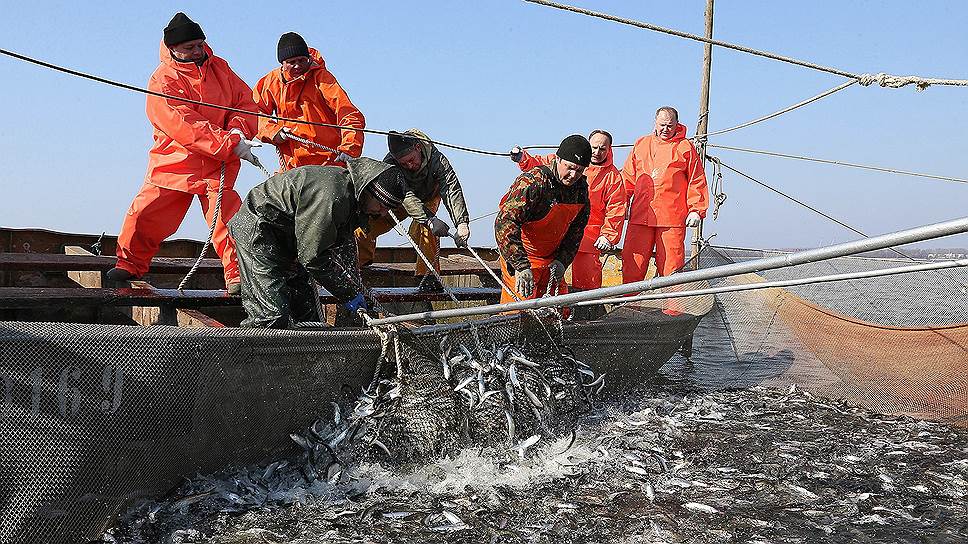
The remoteness of Shikotan Island was a factor in the capture of the Ostrovnoy workers trapped there, and though they succeeded in drawing national attention, concerns remain. After the 2016 video made by the trapped workers reached national news, Putin ordered an investigation, which revealed that the company owed 53 workers a total of $90,000 in back wages.105M These revelations led to the arrest of the plant’s former director for embezzlement.106 By 2018, the plant owners expanded their fishmeal production on the island, soon increasing its staffing to more than 1,000 workers.107 But problems continued, including allegations that the factory was polluting local water and air.108 “The stench is unreal to the point of gagging,” one resident of Shikotan told Astv.109 In April 2025, a worker died on an Ostrovnoy supply ship.110
Domestic production of fishmeal by Russia may experience a boost as a result of the war in Ukraine. Following Russia’s invasion in 2022, several of the largest Western feed companies, including Biomar and Skretting, withdrew from Russia. This caused a domestic shortage of feed and drove up prices. An association of Russian fish farmers asked the government to impose restrictive barriers for fishmeal and fish oil exports and redirect the product toward the domestic market.111 The Russian government responded by committing to invest in domestic feed production capacity.112 In August 2023, state-run industry development programs constructed and commissioned several new fishmeal processing plants.113