
Food for Feed
The Price Paid Beyond the Plate
Why feed is the story
For most of human history, we ate what ecosystems produced on their own: wild fish, grazing animals, and crops grown for people. Livestock survived largely on grass and agricultural leftovers that humans didn’t eat. Today, we do something different: We grow or catch food that people could eat and feed it to animals instead, especially in industrial livestock and fish farming. These calories are converted before they’re consumed.
This global transformation has rewired the trophic chain, turning farms and oceans into engineered calorie-processing systems. The natural food web, entailing who eats what and how energy moves from plants to animals to humans, is no longer mainly determined by ecosystems. It’s now shaped by industrial design. Animals have become less like savings accounts that turn waste into food, and more like biological factories fueled by globally traded feed commodities such as soy and fishmeal.
This shift carries hidden costs. Feeding animals edible crops means deciding who gets calories first. As staples are routed into feed, diets, land use, and prices become governed less by local needs than by livestock cycles, global commodity markets, and export policy. Feed creates an invisible ecological dependence, letting consumption expand without the limits of nearby land or oceans being felt right away. Eating meat or farmed fish raised on feed also means drawing sustenance from distant lands, seas, and workers that consumers never see.
The socio-economic costs of producing this feed rarely show up on corporate balance sheets. They are instead absorbed by the environment and by communities far from where most of the seafood and meat are ultimately consumed. The oceans bear an especially heavy and largely invisible burden. Globally, more than a fifth of wild-caught fish is used as a feed ingredient, predominantly for aquaculture.
More than half of the seafood eaten worldwide comes from fish farms.
This investigation examines the largely unaccounted-for toll of using food for feed, focusing on one of the world’s most important feed ingredients: fishmeal.
Where it’s made
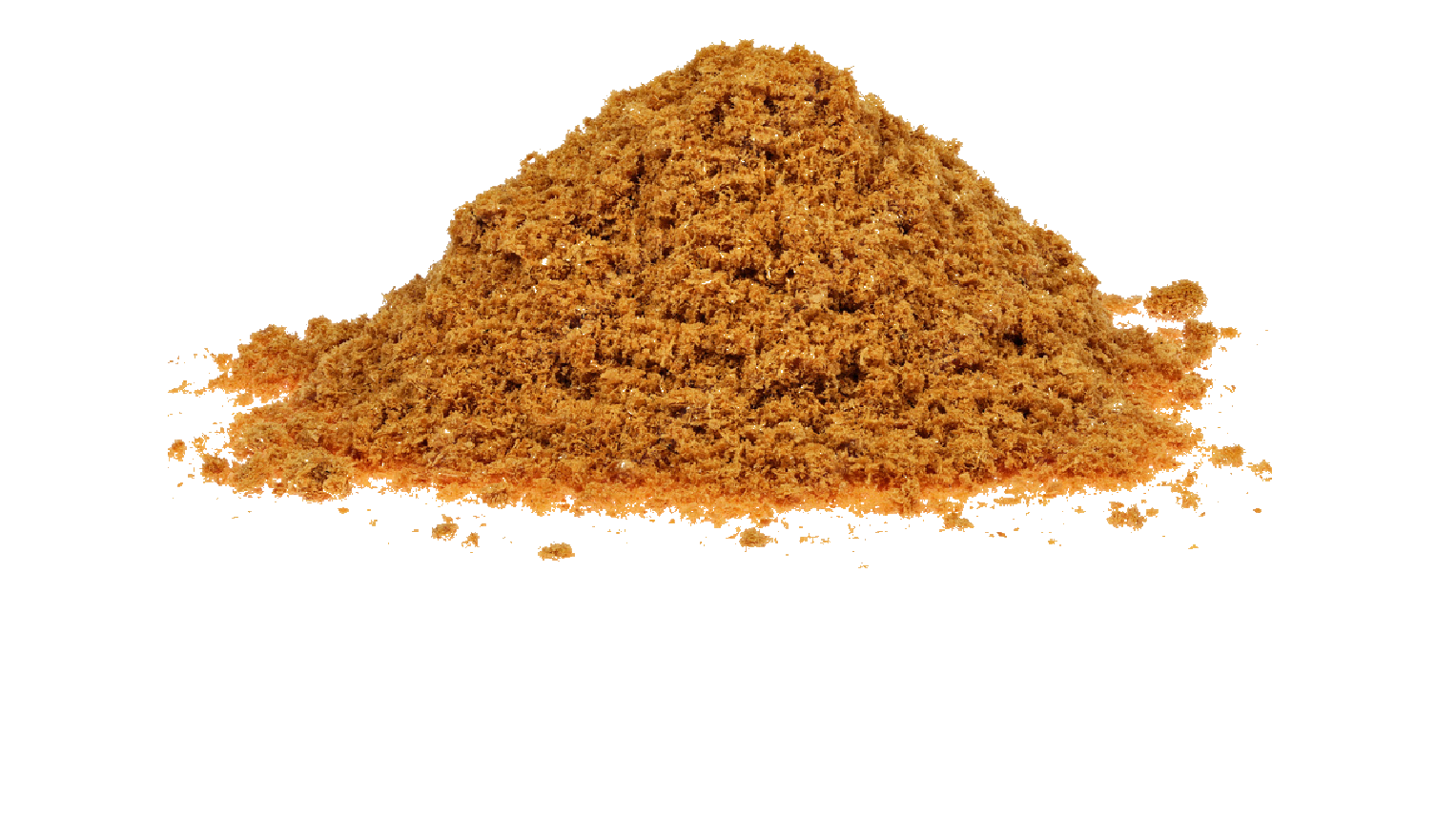
The reporting began by identifying the locations of more than 1,400 fishmeal factories across 64 countries—facilities responsible for nearly the entire global supply of this lucrative, protein-rich, dark-yellow powder and its oil counterpart.
1,415 plants across 64 countries
That global effort resulted in more than two dozen individual stories. Most of these focused on specific countries where fishmeal factories are concentrated, providing country-by-country industry assessments and plant-by-plant profiles that document crimes, regulatory violations, and other concerns.
What the chain carries
This reporting also culminated in the creation of Bait to Plate, an interactive tool that maps the tens of thousands of supply chains underpinning much of the global aquaculture industry. The tool tracks fishmeal across five critical stages—from ship to plant to mill to farm to fork—tracing production from the fishing vessels and marine species to the brands and grocers selling farmed seafood. The tool makes it possible to precisely identify where and how crimes or other social costs enter the farmed seafood system.
Tracing crimes & concerns from bait to plate
Open the full tool

Along these supply chains, the investigation documented a wide range of impacts.
Environmental & Economic Harms
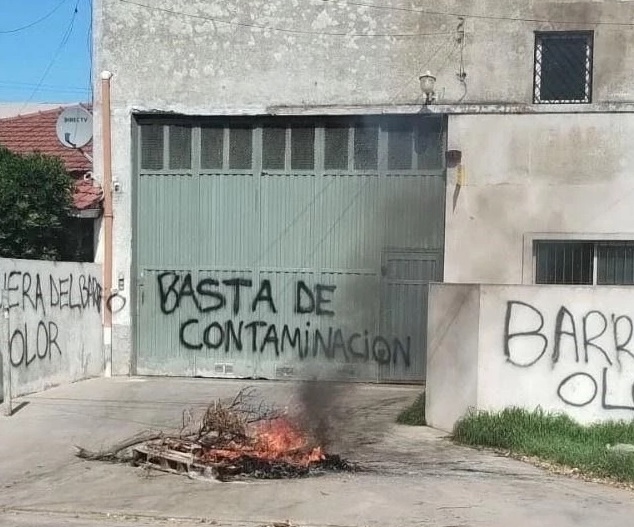
Depleted local fish stocks, the erosion of artisanal fishing livelihoods, and declines in tourism due to pollution and persistent odors from processing facilities. Climate consequences are also significant, including the destruction of carbon-capturing mangroves and seagrasses to make way for fish farms, and an industry that overlooks the carbon footprint of its feed.
Public Health & Worker Safety Costs
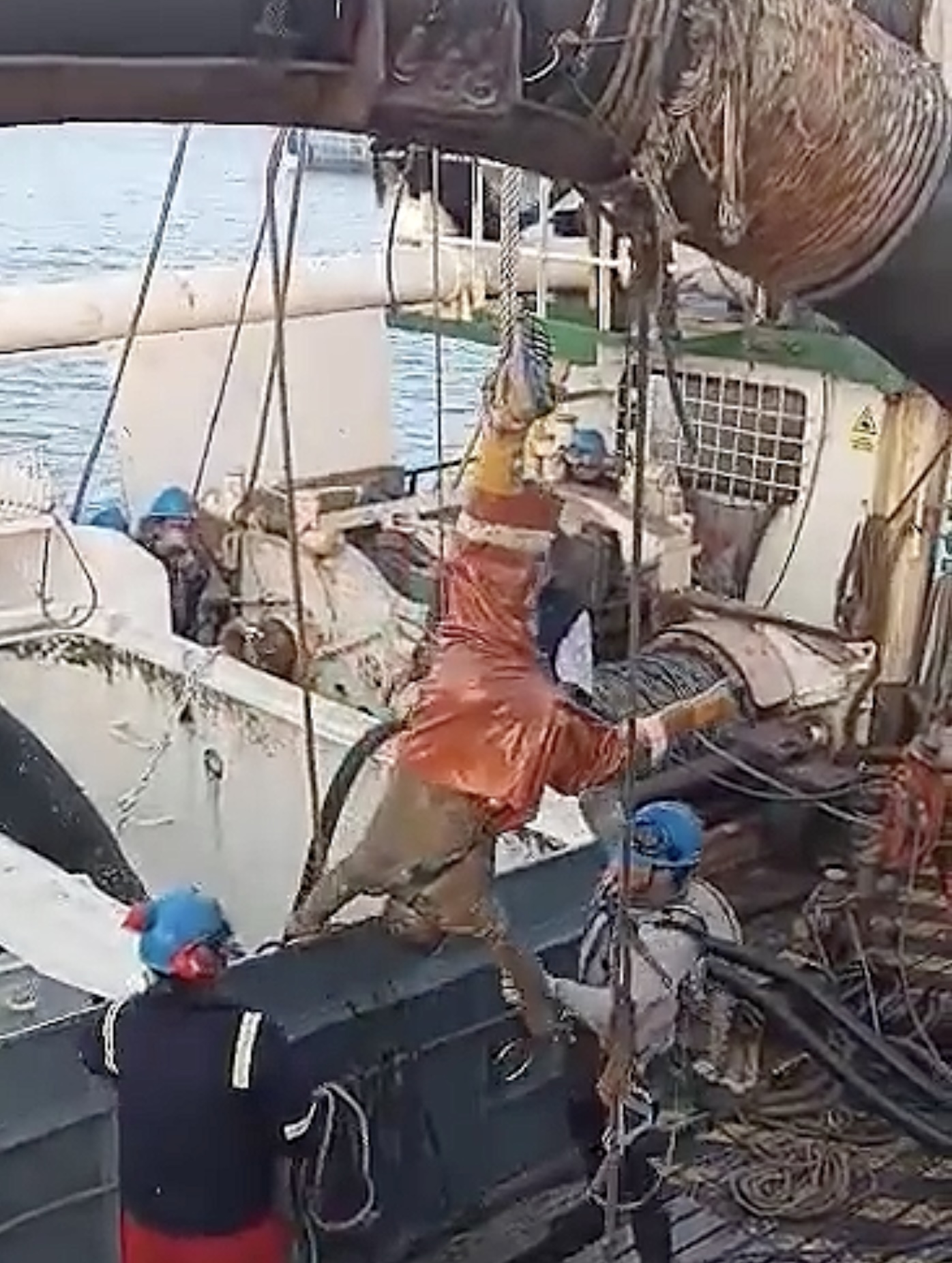
Food insecurity in communities where inexpensive, edible fish are diverted to animal feed, and chronic exposure to hazardous chemicals among residents living near fishmeal plants and waste-dumping sites. The reporting also tracked deaths and injuries of workers on fishmeal-associated vessels or in fishmeal plants.
And many others:
- At a plant
- On a ship
31 types of crime & concern, documented 941 times across 381 fishmeal plants and their suppliers
The Bait to Plate tool also cataloges the marketing and certification claims of thousands of seafood, feed, and fishing companies, comparing them to reported alleged environmental and labor violations tied to their suppliers.
Aside from 20 country-specific stories, the investigation also produced a half dozen topical stories, which examined key dynamics like the use of vessels that conceal their locations at sea, the carcinogenic risks from fire retardants used in fishmeal, the economic and health impacts of factory stench, and potential pathways for reducing the global reliance on fish as livestock feed.
How we reported it
Launched in 2020, the Food-for-Feed investigation assembled a global network of more than two dozen journalists operating in as many countries. The reporting involved intensive, on-the-ground work:
A Global Effort: More than Two Dozen Stories Produced
Sea expeditions
Reporting teams took six voyages at sea, including the South China Sea, the Southern Ocean near Antarctica, and the North Atlantic Ocean. These expeditions involved boarding fishmeal vessels to review logbooks, inspect living conditions, interview workers, and document potentially illegal practices.
Field visits
On land, reporters visited fishmeal factories and aquaculture sites across Senegal, Thailand, Peru, Gambia, Vietnam, Indonesia, Cambodia, Greece, and India.
Sourcing
Journalists leveraged a wide array of sources, from satellite imagery and social media to court filings, government inspection reports, local news coverage, and direct interviews with workers.
Transparency tools
Aside from Bait to Plate, the investigation also produced several additional tools meant to increase the transparency of our reporting and the industry:
Discussion
This feature comprehensively documents correspondence between our journalists and the more than 400 companies, government agencies, and certification bodies involved. Several months before publication, we contacted each organization, presented them with the relevant findings and methodology, and invited them to respond to specific questions. These exchanges are published in full.
Footnoting
We provided the sourcing behind every reported claim, including archived links to all cited documents, news articles, raw data, and web pages.1
Methodology
This page provides a comprehensive public account of the entire investigation’s approach, including the documents, websites, code, and raw data utilized throughout the project. Additionally, case-by-case methodology is offered by way of superscript notes attached to key paragraphs or sections of the investigation. Click the “M” above any paragraph and see specifically how we conducted that part of the investigation, and get access to raw materials.M