The Problem of Stench: To Counter It You Must Count It
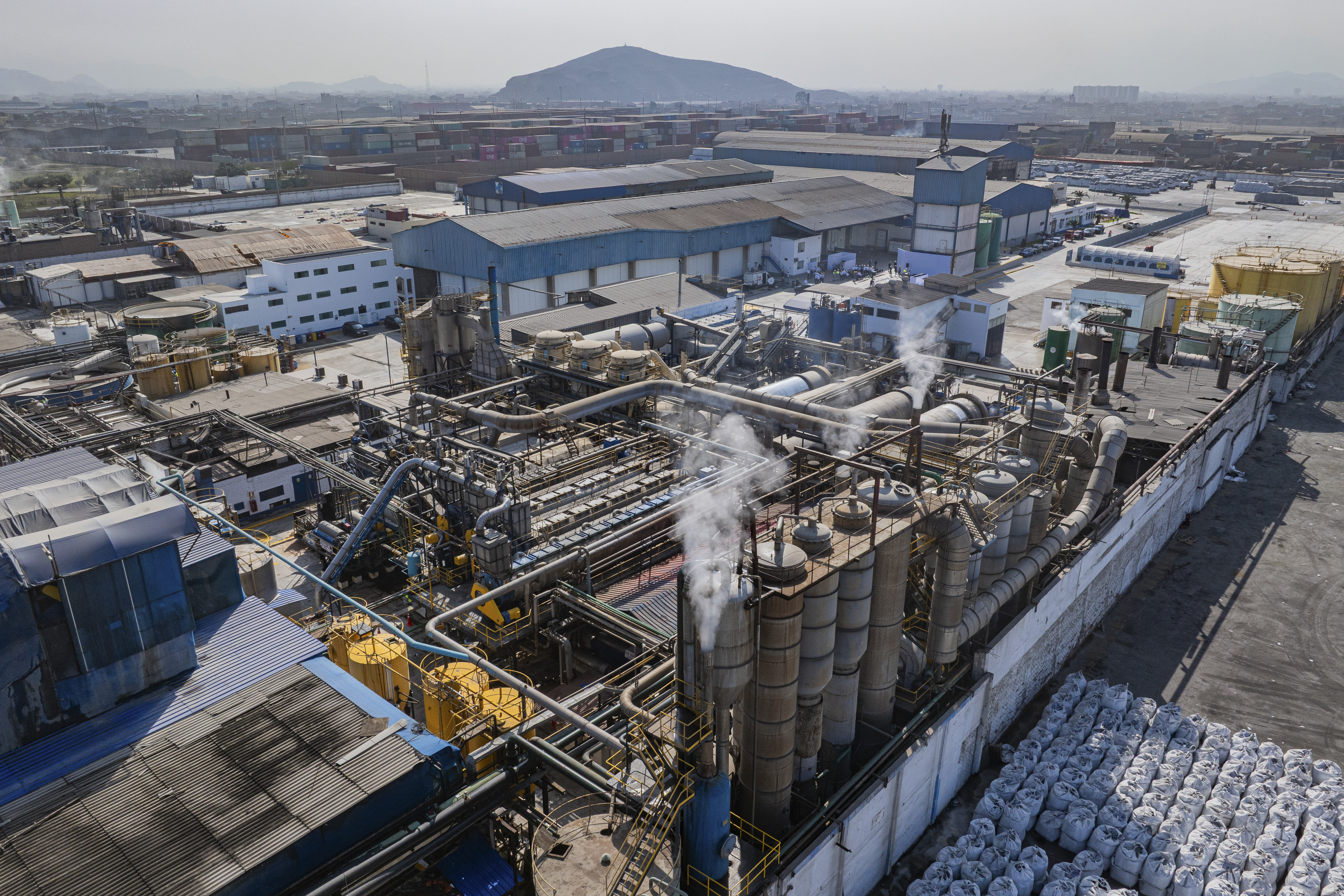
Few things smell as bad as pulverizing and cooking thousands of tons of rotting fish. Globally, this awful odor from fishmeal production affects more than 9.5 million people living within a mile of the 1,400 or so fishmeal plants operating in more than 50 countries. This stink corrodes local economies by undercutting tourism and scaring away restaurant patrons and beach visitors. It is also an indicator of a variety of dangerous emissions from these plants, including ammonia, hydrogen sulfide, cyanide, and methane.1
The worst part of the stench, though, comes from a naturally occurring chemical called trimethylamine (TMA), which is found in marine animals’ skin and, when released, creates the rancid “fishy” odor.2 While TMA is largely harmless in small quantities, industrial-scale fishmeal factories release TMA in such large amounts that it can cause headaches, nausea, vomiting, and eye and skin irritation for workers in the plants and nearby neighbors. In 2021, the Society of Chemical Industry determined that TMA is also “strongly toxic and carcinogenic.”3
Humans’ sensitivity to foul odors is a defense mechanism borne of evolution. As part of a basic survival instinct developed over millions of years, people are repulsed by smells like those of feces, rotting food, decaying flesh, or acrid chemicals.4 This visceral reaction also brings intense feelings of disgust and anxiety that lead to negative health consequences when these exposures last longer than several minutes, according to a 2016 study from the journal Brain Sciences.5
In many countries, chemical waste—be it solid, liquid, or gaseous—is closely regulated, particularly if it makes people sick or harms the environment. But emitting bad smells is typically seen as more of a nuisance than an actual environmental or health hazard. It’s also difficult to measure or regulate the level of unpleasantness caused by foul smells.6
“The technology for detecting and characterizing complex odors has not developed to the level of a reliable surveillance method, which has hindered regulatory frameworks,” stated a 2021 piece in a waste management magazine written by a group of environmental engineers at Florida Atlantic University.7 Though there are many studies focused on the health and environmental impact of specific chemicals emitted by sewage plants, livestock operations, composting facilities, landfills, paper mills, or petrochemical industries, little research has concentrated on the “impact of olfactory nuisance,” according to a 2021 study published in the Environmental Health journal.8
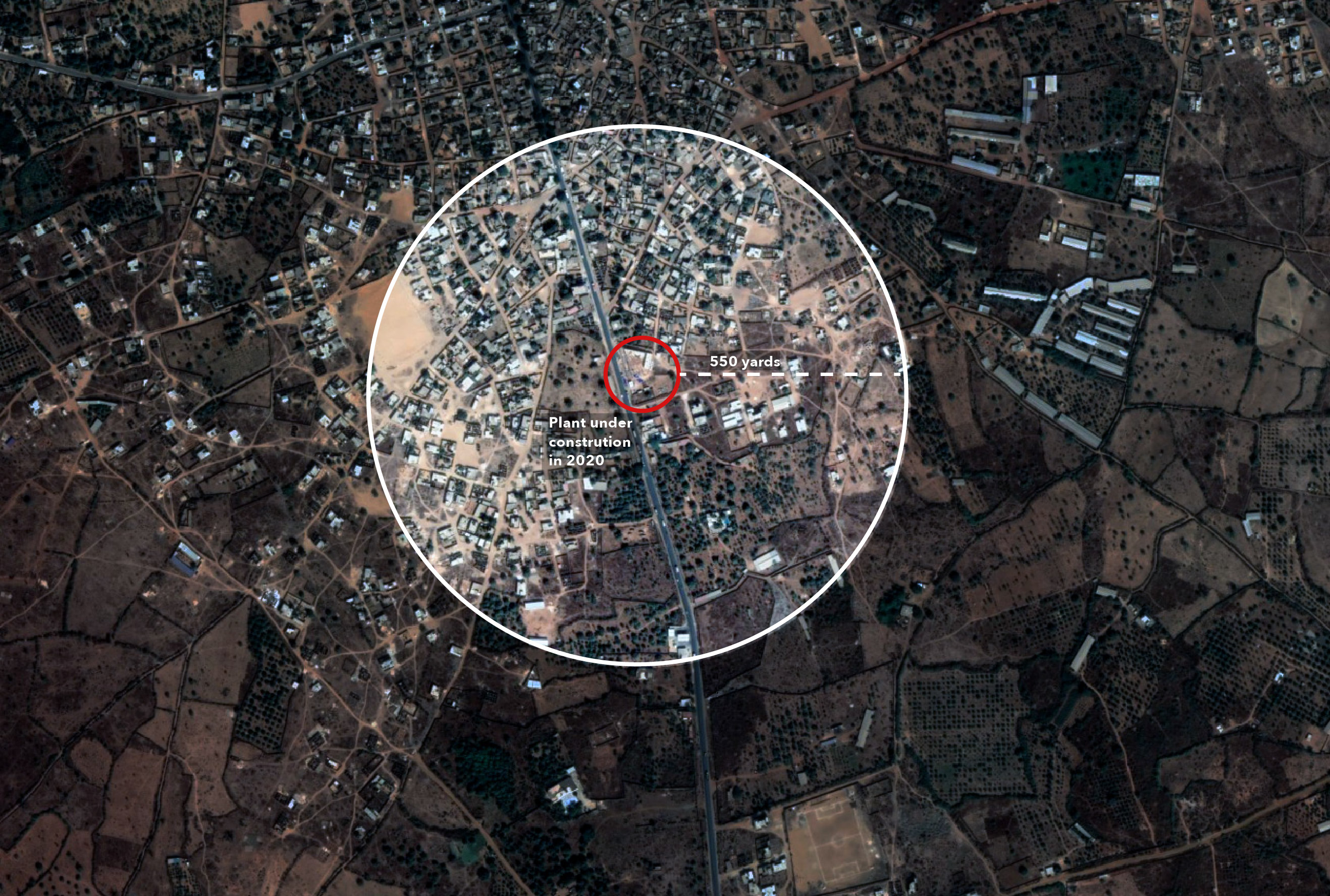
Stinky industries like chemical refineries, fertilizer factories, incinerators, and landfills are also typically limited by zoning laws to prevent them from being too close to residential homes. However, these rules tend to be applied more in wealthier countries, and the vast majority of fishmeal plants are located in poorer nations.9 In Senegal, for example, where there are at least nine fishmeal plants, zoning rules forbid fishmeal companies from building plants within 500 meters, or about 550 yards, of residential areas.10 But a review of satellite imagery of the country’s plants vis-a-vis residential homes indicated that this rule was routinely violated, according to an investigation by the Outlaw Ocean Project.11M
Methods for measuring airborne TMA have been around since at least the 1970s, but over the past few decades, the more standard approach has involved collecting air samples with what are known as “solid-phase extraction” tubes and then analyzing those samples at a lab using techniques called “liquid chromatography” and “mass spectrometry.”12 These techniques are precise but pricey, sometimes costing tens of thousands of dollars.13
In 2009, a Peruvian scientist named Josué Padilla Lauriano set out to find a cheaper option for testing TMA levels. He focused his research on Chimbote, which is a city along Peru’s western coast that was not only the world’s largest producer of fishmeal but also ranked as one of the most polluted places on earth.14 Using simple air bubblers and a spectrophotometer—both are standard tools found in nearly every chemistry lab—and adapting a technique originally developed to detect TMA in dead fish, not air, Lauriano and his team spent 20 months collecting samples. Lauriano’s device only cost a few hundred dollars to take measurements. Under local regulations, plants were supposed to stay under 12 parts per million (ppm), but Lauriano found emissions averaging 17.2 ppm at nighttime, when the plants cook the most, and a maximum reading from a plant that topped 32 ppm.15
Even when testing was feasible, many countries did not have emissions standards that included thresholds for foul odors, according to a 2025 paper published in Applied Sciences.16 “The mechanism of human odor detection is still not fully understood,” which, the paper said, is one reason why stench is so difficult to measure and regulate objectively.17 The countries that set standards for how much TMA could be released were usually not based on stench or quality-of-life concerns, but instead on the level at which this chemical began to negatively affect human health. In the US, health regulators typically used guidelines between 5-10 ppm as long-term exposure limits.18 These limits were substantially higher than what a typical person’s nose can detect.19 TMA can be detected at concentrations as low as 0.0002 ppm, according to the UN’s Food and Agriculture Organization (FAO).
In the United States, neighbors near businesses that emit foul odors have sometimes successfully filed complaints under federal nuisance laws, which are designed to protect residents from unreasonable interference with the enjoyment of their property. Between 2018 and 2019, juries in five trials awarded 36 plaintiffs a total of $550 million in lawsuits filed against Murphy-Brown/Smithfield Foods, the largest pork producers in the world. The amount was later reduced due to a state cap on punitive damages.20 For decades, neighbors of the farms in North Carolina, the majority of whom were Black, endured “the piercing, acrid odor of hog manure, reminiscent of rotten eggs and ammonia,” according to one report referenced in the lawsuits.21 In 2020, the company asked for a retrial, but the Fourth District Court of Appeals upheld the lower court’s verdict. The conditions at the farms, which included “spraying untreated hog waste high into the air—where it then drifts toward nearby homes,” wrote Justice J. Harvie Wilkinson in a concurring opinion, “violated homeowners’ rights to the healthful enjoyment of their property.”22