Senegal: Continuous Fishing & Its Costs
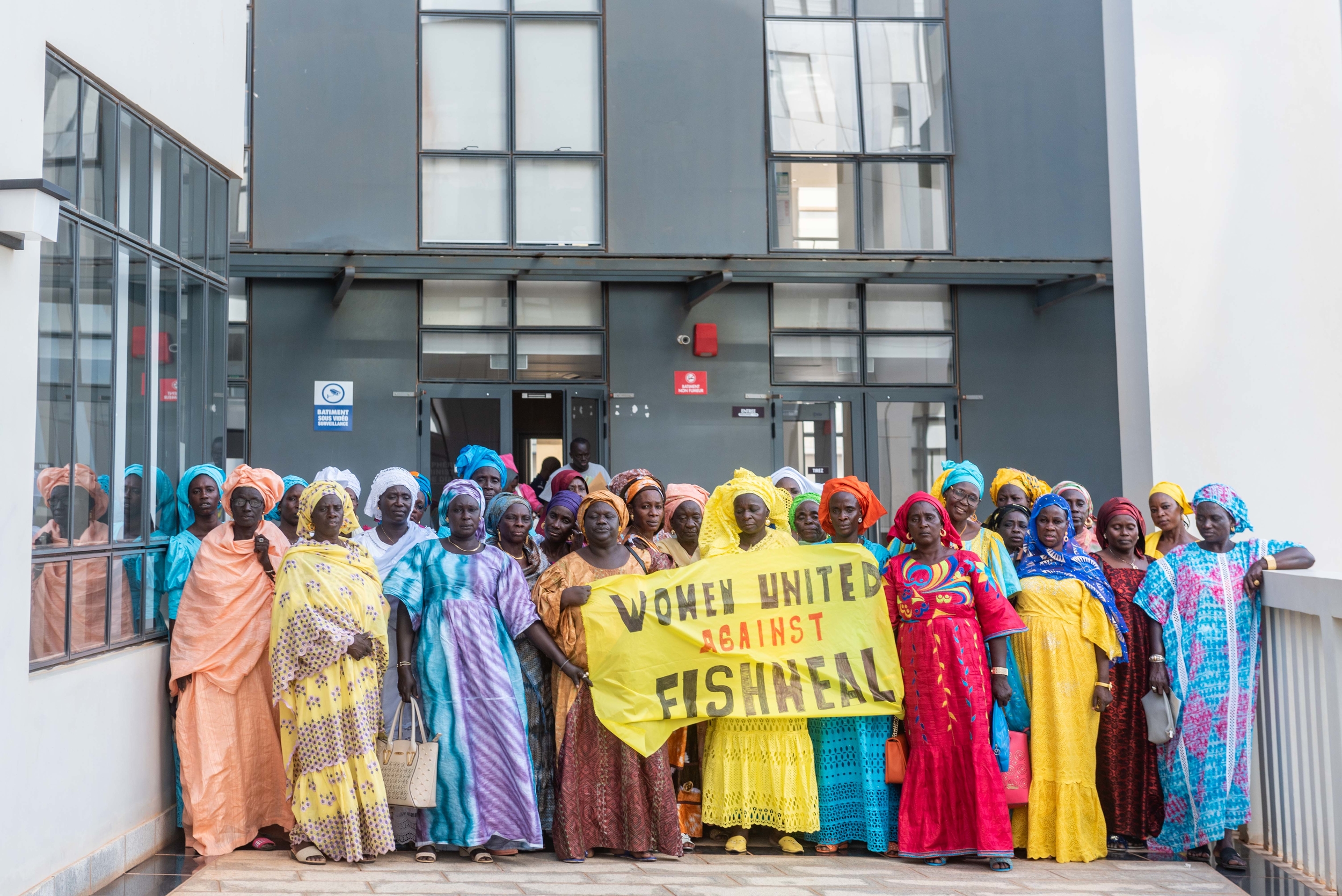
On August 20, 2022, at least 50 protesters poured into the streets of Kayar, Senegal, demanding the closure of a nearby fishmeal factory, Touba Proteine Marine.1 Marching from the town’s fishing wharf to the plant, they hoisted signs reading “Kayar is sick” and “Our water is contaminated.”2 In a video that spread widely on Facebook, demonstrators chanted, “Time to respect our Kayar.”3
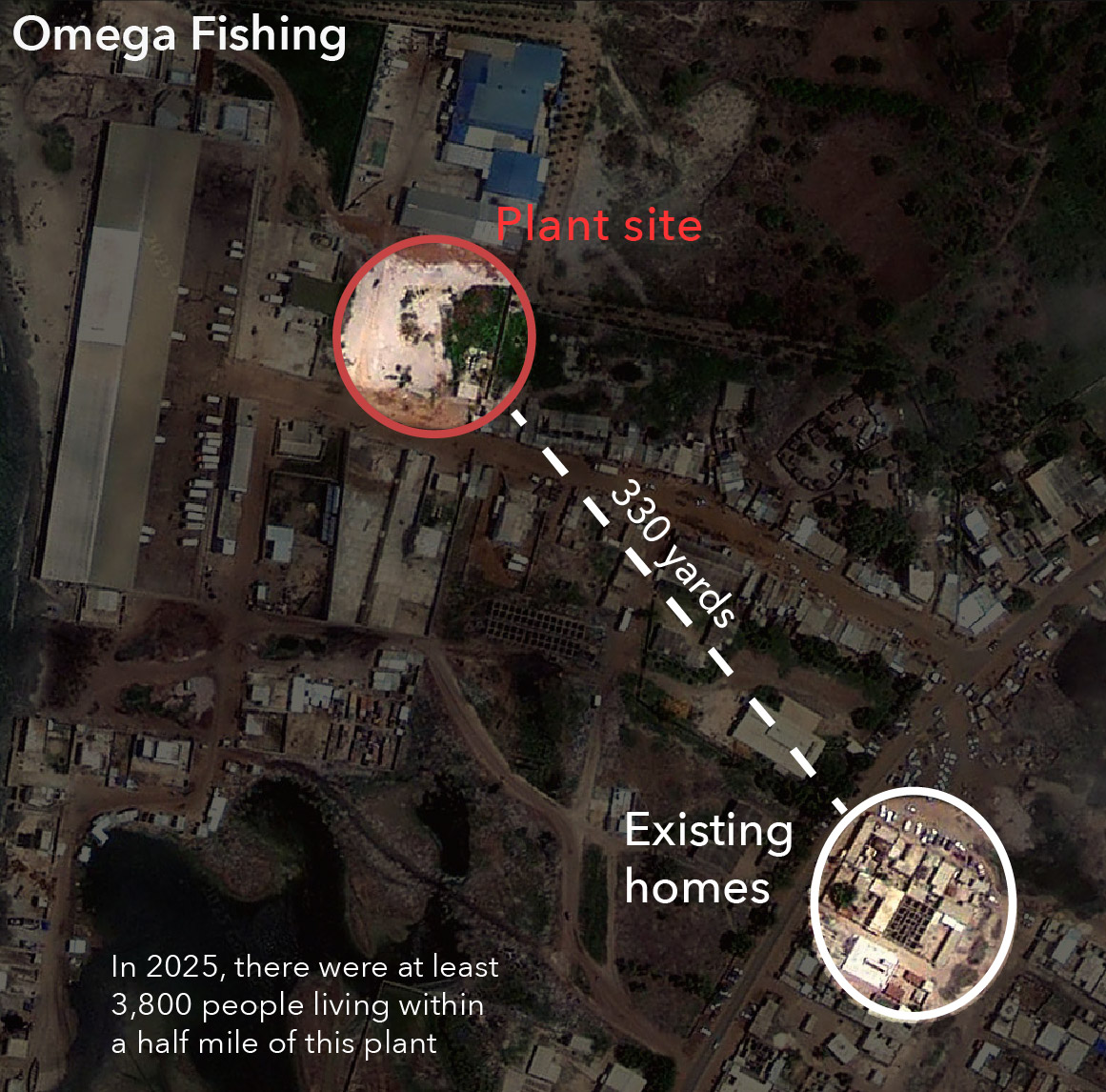
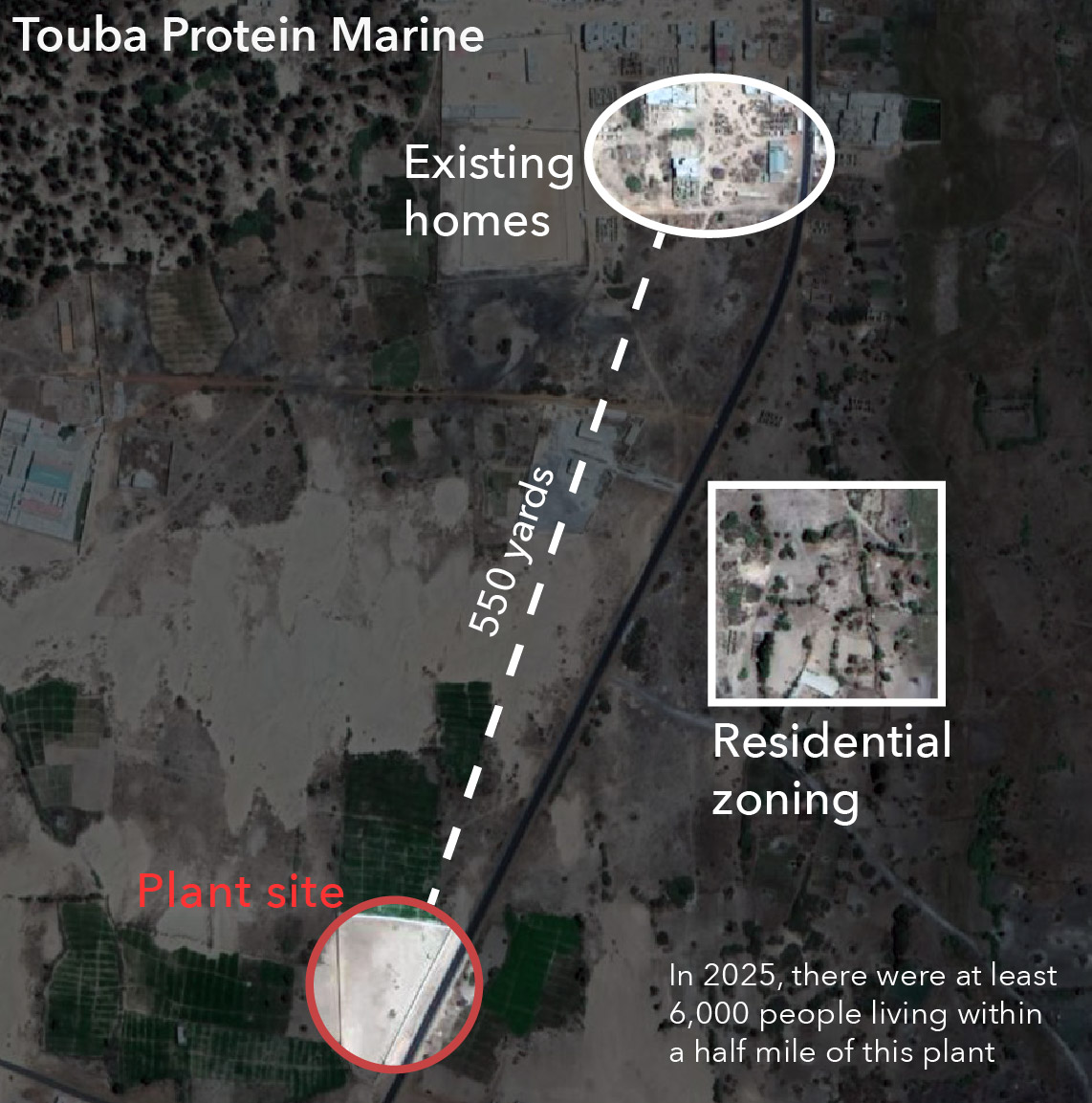
Their grievances were many. Protesters said the Senegalese government had broken its pledge not to authorize any new fishmeal plants—factories that produce a lucrative dark-yellow powder by cooking and pulverizing fish. Touba Proteine Marine, they said, had been built less than a third of a mile from residential homes, triggering health problems and violating local zoning laws, according to government documents and satellite imagery.4 The plant—owned until 2022 by the Spanish company Barna—was also accused of processing whole, fresh fish, undermining local food security. And the stench, residents said, made daily life unbearable.5
“Harsh reality of the Global South,” wrote Serigne Mbaye in a Facebook post sharing the protest video.6
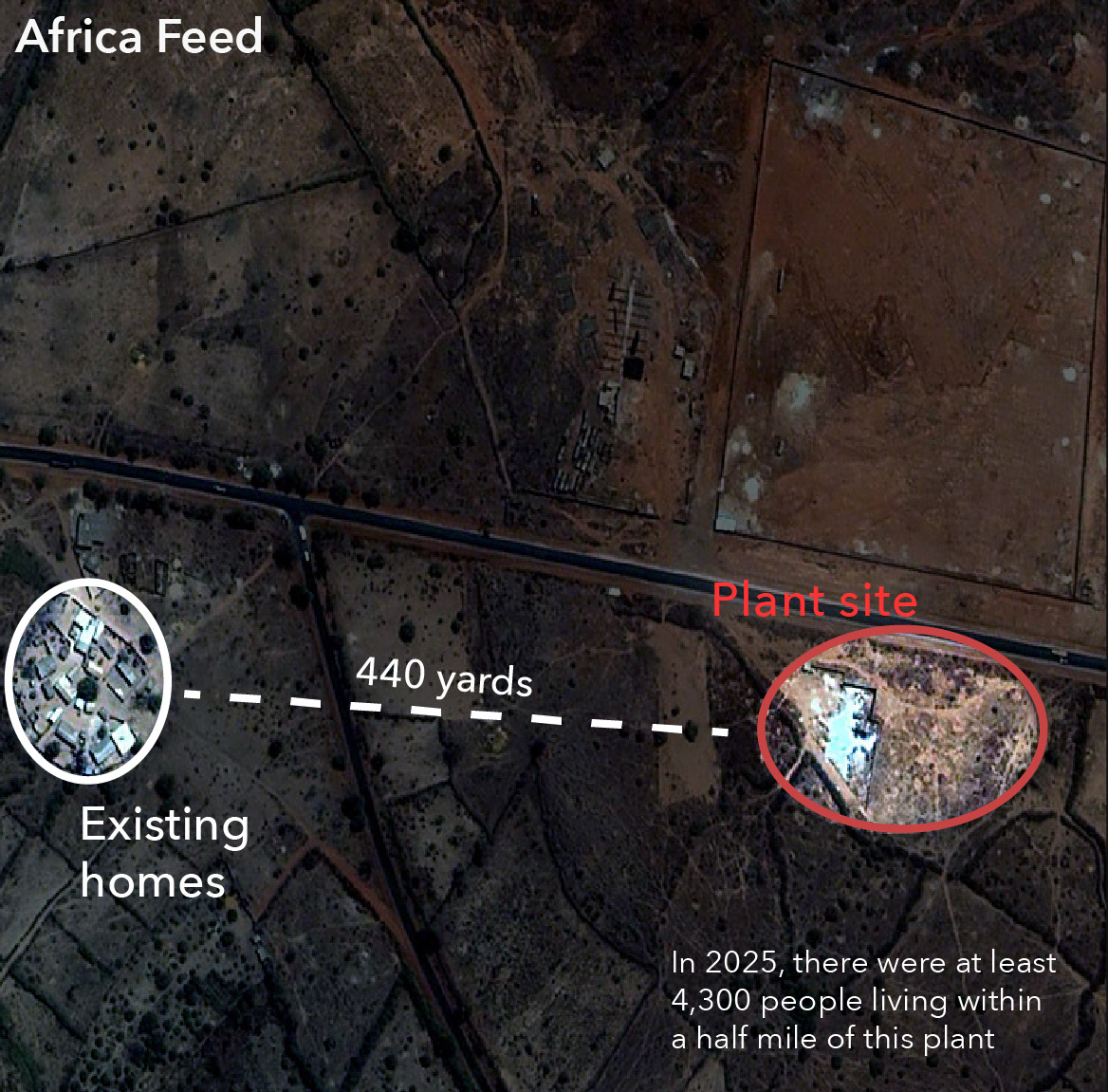
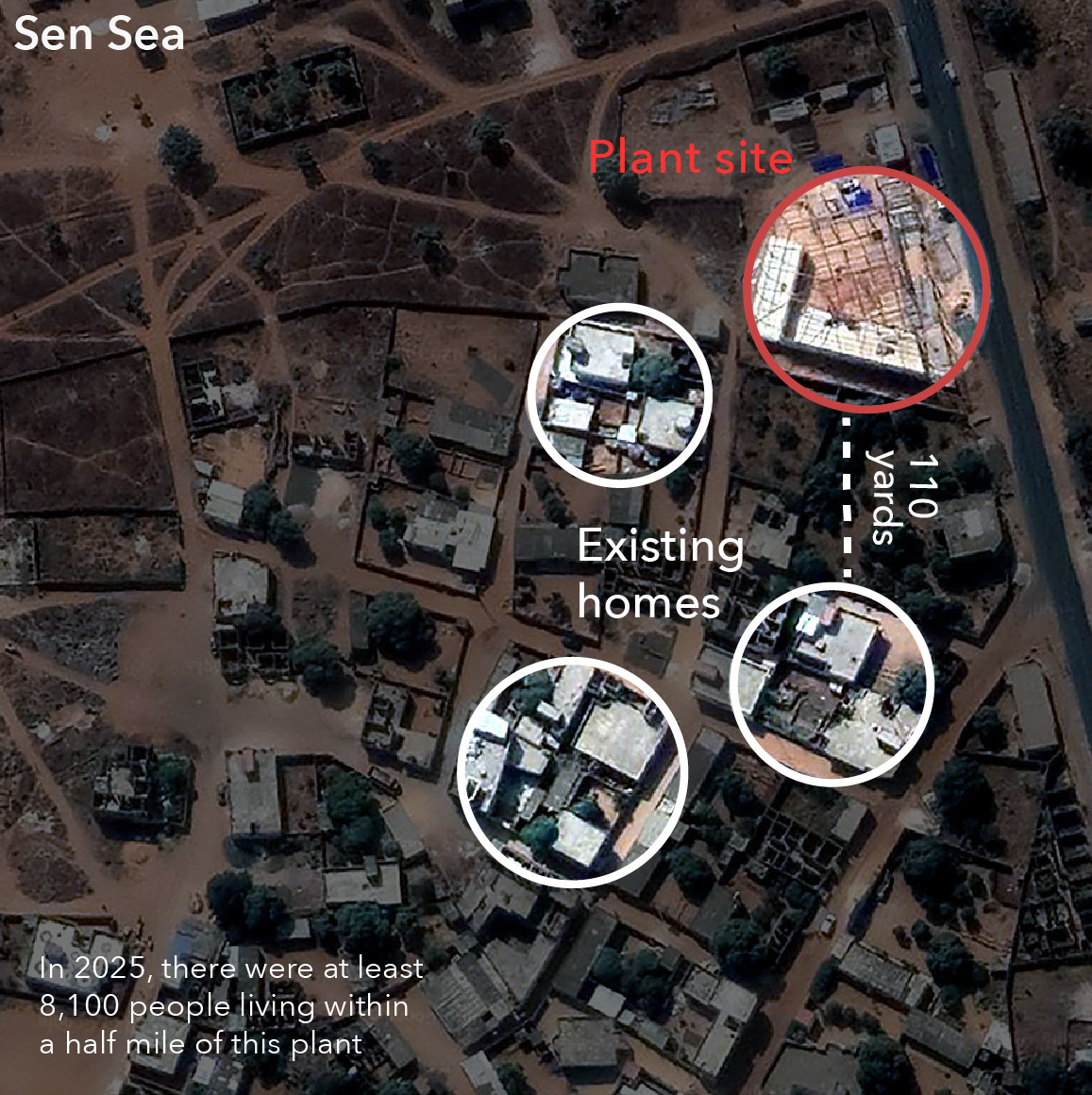
Touba Proteine Marine was hardly an outlier. Again and again, in interviews and on online forums, residents living near Senegal’s fishmeal plants described the same noxious odors. Fishers said their catch was increasingly diverted into factories for export rather than sold in local markets for human consumption. Satellite data shows that other plants, too, were built within a third of a mile of homes—again in apparent violation of Senegalese law.7 Touba Proteine Marine and Barna did not respond to a request for comment.8
Between 2018 and 2024, at least eight fishmeal plants in Senegal were linked to environmental issues, unsustainable fishing practices, and repeated episodes of civil unrest, according to news reports, government documents, trade records, and court filings compiled in Bait to Plate, a tracking tool developed by The Outlaw Ocean Project to monitor the global fishing and seafood industries.9M During that period, the plants were accused of polluting the environment on at least a dozen occasions—sometimes by dumping fish-processing waste onto nearby beaches, other times by releasing smoke that residents said caused respiratory problems.M
The stench from the plants—often the immediate trigger for protests—is more than a quality-of-life nuisance. Residents say it erodes the local economy, driving away tourists, restaurant customers, and beachgoers. The odor also signals the release of noxious chemicals, including ammonia, hydrogen sulfide, cyanide, and methane, which are linked to serious health effects such as nausea, pulmonary edema, and, in extreme cases, death among workers and nearby residents.10
The most pungent component of the smell is trimethylamine, or TMA, a colorless gas known for its distinctive “fishy” odor. In 2021, the Society of Chemical Industry classified TMA as “strongly toxic and carcinogenic.”11 The Outlaw Ocean Project’s Bait-to-Plate tool showed more than 69,000 people in Senegal, including over 11,000 children under the age of 15, live within a mile of a fishmeal plant.12M
The rapid growth of the fishmeal industry in Senegal and across West Africa has deepened concerns about food insecurity, vanishing fish stocks, migration, job losses, and worsening air and water pollution.13 Researchers, United Nations officials, and advocates say the industry has accelerated overfishing to the edge of collapse and encouraged illegal fishing that has inflamed geopolitical tensions between Senegal and neighboring countries.M
Meanwhile, the social and environmental costs of producing this feed rarely appear on the balance sheets of the seafood companies that depend on it. These hidden costs—what economists call “externalities”—are instead borne by ecosystems and by communities far from where the seafood is ultimately eaten.14 The oceans shoulder an especially heavy and largely invisible burden. In 2022, more than one-fifth of all marine life caught globally was diverted into the feed industry, according to the Food and Agriculture Organization (FAO), the UN’s fisheries body.15 Reduction fishing often relies on purse-seine or trawl nets that capture large volumes of non-target species, stripping ecosystems of key prey fish.16 The result is a textbook case of “fishing down the food web,” in which industrial fleets shift toward ever-smaller species as larger predators disappear. The true cost of farmed fish, in other words, is not what appears on a restaurant menu or a grocery-store label.
For decades, the global turn toward aquaculture has been promoted as a way to relieve pressure on wild fisheries. But feeding farmed fish with fishmeal has inverted that promise. Unlike bivalves, carnivorous farmed fish must be fed protein-rich diets. Feed now accounts for roughly 70 percent of aquaculture’s operating costs, and fishmeal remains the industry’s most commercially viable option.17 As a result, farms producing popular seafood, including salmon, tuna, shrimp, carp, and European sea bass, often consume more fish than they deliver to market.18 Before reaching a plate, a single farmed tuna can eat more than 15 times its weight in wild fish processed into feed.19
Countries in the Global South, particularly in West Africa, pay a disproportionate share of this price. The region has become one of the world’s fastest-growing hubs of fishmeal production. More than 50 processing plants now operate along the coasts of Mauritania, Senegal, Guinea-Bissau, and The Gambia, collectively consuming an estimated half a million metric tons of fish each year.20M Senegal alone counted at least nine fishmeal plants in 2024, clustered along the coast near Saint-Louis, Kayar, Dakar, Joal, and Sandiara.21M
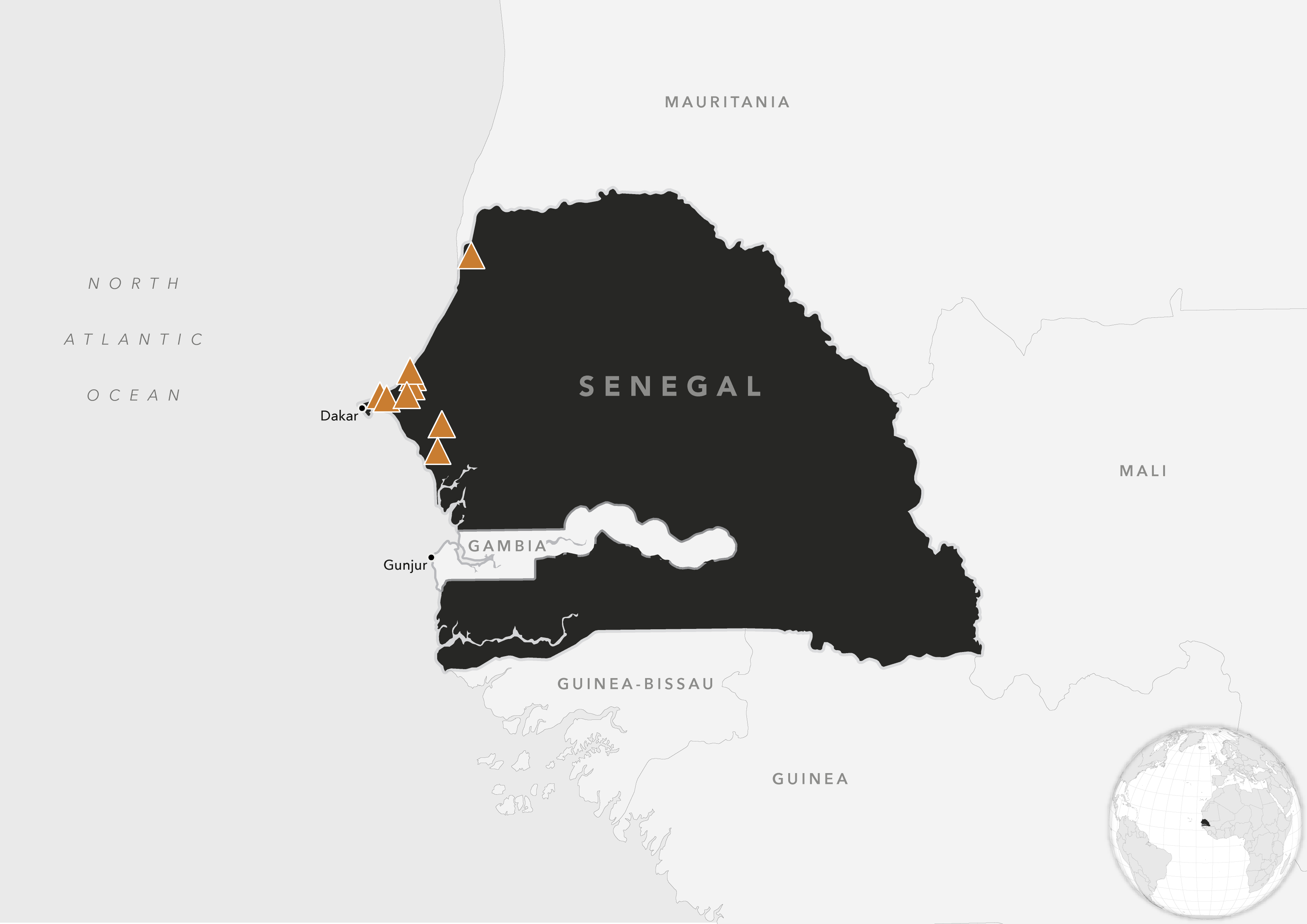
In Senegal, the industry has transformed fishing itself. Fishmeal plants buy virtually unlimited quantities, eliminating the traditional pauses that once occurred when local markets were saturated. Fishers now have a buyer for “every last fish,” removing the informal brake that unsold catch once imposed on fishing effort.22 Between 2019 and 2025, as fishmeal exports surged, prices for dried and fresh fish more than doubled in a country where over half the population cannot afford a healthy diet.23 Multiple advocacy reports and academic studies have drawn a direct link between rising food insecurity and the growth of Senegal’s fishmeal sector.24 Fish supplies nearly half of the nation’s protein intake, according to the FAO.25 Small pelagic species such as sardinella and bonga—rich in protein, omega-3 fatty acids, and micronutrients—have long been dietary staples, particularly for low-income households. Today, many of those fish are no longer eaten locally but exported almost entirely as animal feed.
“Today, having three daily meals has become a problem, which has never happened to us,” said Fatou Samba, a 58-year-old fish processor in Bargny, in an interview with The Outlaw Ocean Project. “We don’t think about saving money. We think about our survival.”26 Between 2009 and 2018, the volume of small pelagic fish available in local markets fell by a third, while per-capita consumption was cut in half.27 The FAO has warned that by the mid-to-late 2020s, Senegal could face an annual shortfall of roughly 150,000 tons of fish for human consumption.28 In 2023, fishmeal exports reached an eight-year high, coinciding with a spike in food prices and pushing Senegal into crisis-level hunger for the first time on record.29 Poor-quality diets, said Christina Hicks, a scientist specializing in small-scale fisheries and nutrition at Lancaster University, can stunt children’s growth, impair cognition, and increase lifelong vulnerability to disease.30
Six species are primarily targeted for Senegal’s fishmeal production: bonga shad, round and flat sardinella, horse mackerel, chub mackerel, and European anchovy.31M Historically, these fish were caught by local fishers and sold fresh, smoked, or dried in regional markets, providing an essential source of affordable protein, according to a 2022 Marine Policy study. Round sardinella, in particular, is the foundation of Senegal’s national dish, thieboudienne.32 Today, three of these species—bonga shad, round sardinella, and flat sardinella—are classified by the FAO as overexploited across Northwest Africa, with both sardinella species deemed to be in “a critical situation marked by heavy overexploitation.”33 Since the fishmeal industry expanded into West Africa, round sardinella stocks have fallen to their lowest level ever recorded.34M
As the global population grows, so does competition for essential nutrients. Governments are trying to reduce dependence on imported meat in pursuit of what policymakers increasingly call “protein sovereignty.” Investors are pouring money into alternatives such as plant-based and lab-cultivated meat. At the same time, shocks—from avian flu outbreaks to the war in Ukraine—have sent meat prices surging, underscoring the fragility and interconnectedness of global food markets. “With increasing frequency, wealthy, food-importing countries and private investors are acquiring farmland overseas,” noted a report from the Wilson International Center, Land Grab? The Race for the World’s Farmland, observing that many such deals are aimed at securing future food supplies.35
Dive deeper — 1 of 3 in this report — Footnotes 36–49
Why the Sea Became a Protein Mine
The science of animal feed—combining corn, soy, grain, and other ingredients like fishmeal to raise livestock faster, bigger, and more nutritionally—was central to the rise of modern civilization.36 Techniques of animal husbandry developed roughly 12,000 years ago in the so-called “Fertile Crescent,” an ancient area stretching from Mesopotamia to Egypt.37 Alongside advancements like irrigation and the plough, the domestication of livestock was essential for humans to create the stable food supply that they needed to settle and eventually to develop cities.38 Shifting from grazing to penning animals required farmers to provide them with balanced diets.39
Historically, marine life itself has experienced a conceptual shift. First, these creatures were animals that served mostly as sustenance for seabirds, marine mammals, and larger predatory fish, and, on a local scale, as food for humans. Next, they were seafood to be eaten by humans on an industrial and global scale. Then, with the rise of the reduction industry, marine creatures emerged as an ingredient in the form of flour, oil, or protein, destined as livestock feed.40 Ocean habitats became calorie factories.
Kristin A. Wintersteen explains how and when the modern world began using the sea as a protein mine.41 In her 2021 book, The Fishmeal Revolution, she chronicles how the Humboldt Current, which is a cold, nutrient-rich upwelling system that runs along the Pacific coast of South America, was reconceptualized from being a living marine ecosystem into a place to extract raw materials. This “revolution,” she explained, converted Peru into the fishmeal superpower it is today, now accounting for roughly a quarter of global production. This historical transformation made fishmeal the key ingredient that helped fuel the post-World War II expansion of industrial chicken, hog, and later fish farming—especially in the US and northern Europe. This shift, which has since extended far beyond the waters of Peru to include the coastline of West Africa, has also severed consumers from the ecological and human costs of production.42
Aquaculture has existed in rudimentary forms for centuries before it became industrialized on a large scale in the 1980s, and it has some clear benefits. Fish farming provides millions of people with year-round access to affordable protein.43 In India, aquaculture is a crucial source of jobs, especially for women.44 In Bangladesh, fish farming has driven an overall decline in the price of fish, making it more accessible for lower-income households.45 Even when feed—including ingredients like soy and fishmeal—and transport to the US are taken into account, some types of fish farming, such as tilapia and Atlantic salmon aquaculture, have lower greenhouse gas emissions per pound compared to beef and pork.46 Farming bivalves, including clams, oysters, scallops, and mussels, is particularly sustainable: These species typically require no feed and use minimal land and freshwater.47 They also produce shells that can function as a form of carbon capture, according to a 2020 Nature Food study.48 As of 2022, roughly a third of global aquaculture did not require external feed inputs.49
Within a global scramble for resources, feed has emerged as a largely invisible battleground. Competition is especially fierce over crops such as soy, a cornerstone of industrial animal agriculture. “China, the US, and Brazil are by far the world’s three largest meat producers, and they are bound together by a single commodity: the soybean,” said a 2024 podcast from the Carnegie Endowment for International Peace.50 “In 2018, one of the first battlegrounds in US-China trade tensions wasn’t semiconductors or rare earths—it was soybeans.” The race for fishmeal and fish oil follows the same logic: a quest for sovereignty and control over protein. The difference is geography. Unlike soy, this struggle is playing out at sea—largely beyond the scrutiny of journalists, regulators, and even environmental and human-rights watchdogs.
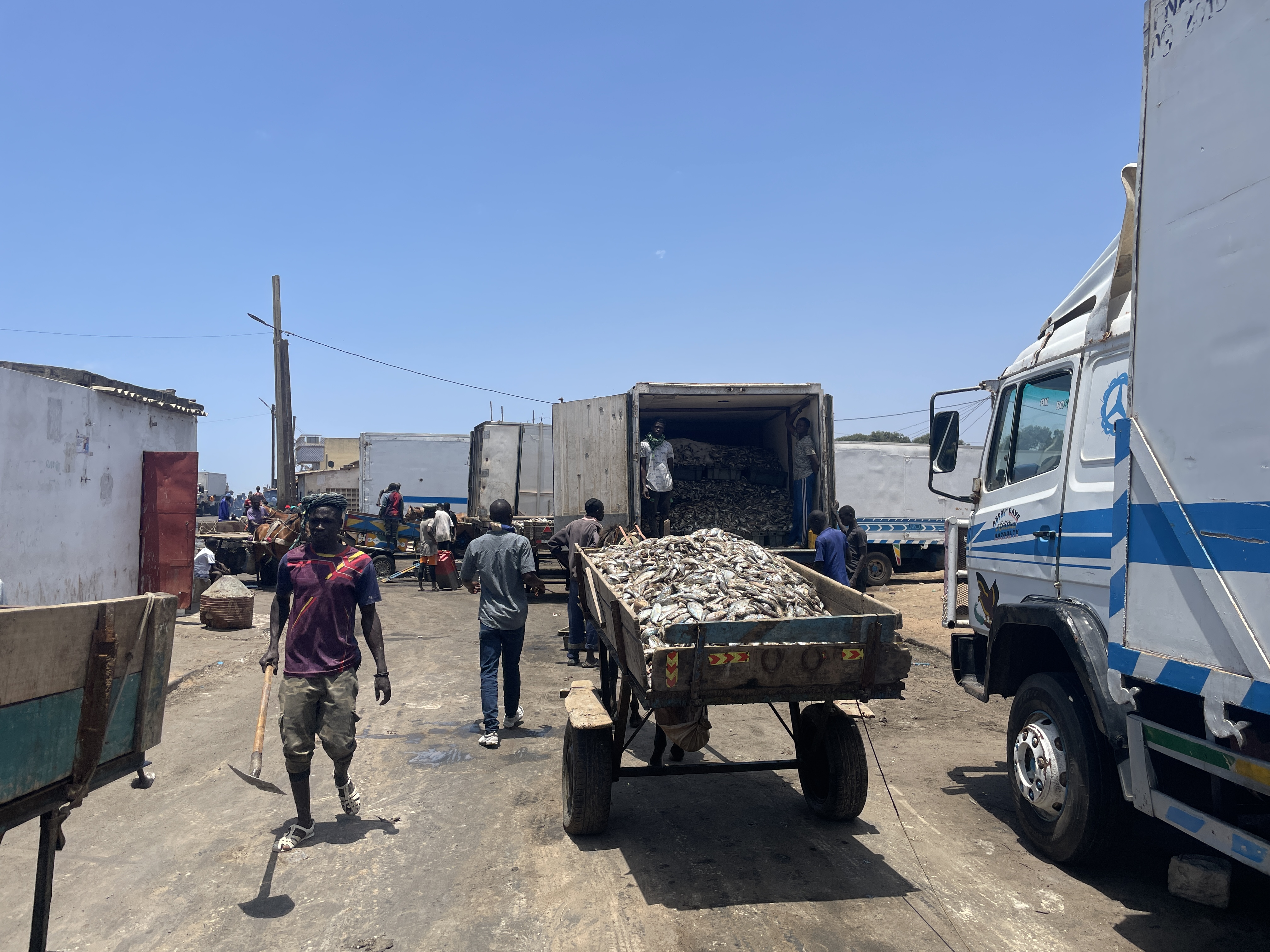
From July 2024 to March 2025, reporters with The Outlaw Ocean Project visited three fishmeal plants in Senegal—Omega Fishing, Touba Protein Marine, and St. Louis Sea Production—to interview nearby residents, plant managers, and workers. Historically, Senegalese fishmeal factories were expected to rely on waste products, such as fish heads, tails, and spoiled tissue, to avoid worsening food insecurity.51 But reporters found that as fishmeal prices have climbed, factories have increasingly turned to fresh, whole fish, according to interviews with plant officials and workers.
Using whole fish has become common practice in Senegal’s fishmeal industry, even in cases where licenses or contracts explicitly prohibit it. In an on-camera interview, Ibrahima Samb, a former worker at Omega Fishing in Joal who now supplies fish to factories, said his plant’s license barred the use of whole fish—but that the rule was routinely ignored.52 “We sometimes had whole fish,” he said, “but it happened only when the fisheries authorities made a seizure and sold it to us.”53
Fish In:Fish Out
It can take more than 730 wild-caught Peruvian anchoveta to grow a single farmed salmon.
Wild anchoveta needed per farmed animalMEvery mark is one anchoveta, at one size
730anchoveta 1 Salmon
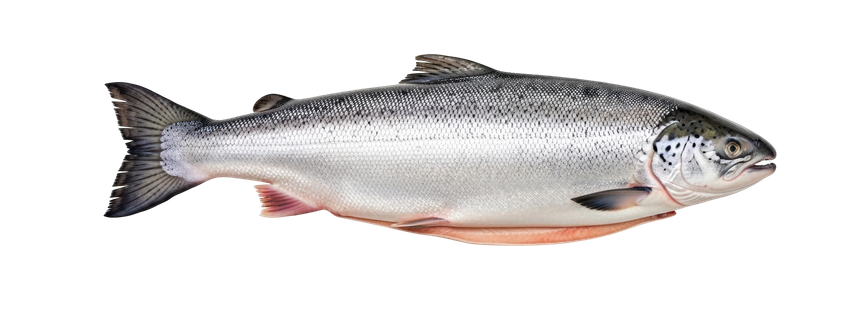
390anchoveta 1 Trout
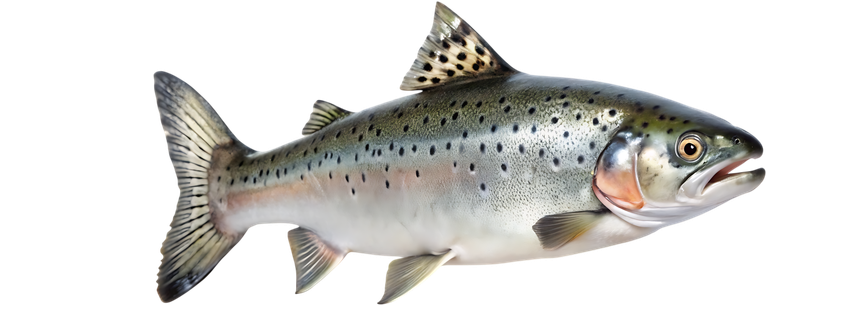
3anchoveta 1 Carp
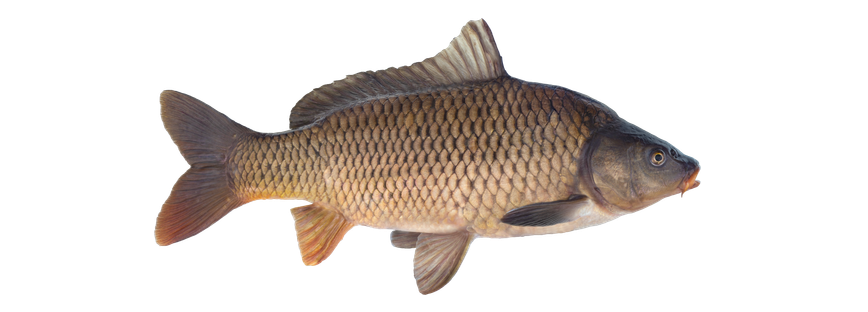
1anchoveta 1 Shrimp

In February 2025, an Outlaw Ocean Project reporter documented deliveries inside the Omega plant showing several tons of whole, fresh fish, including large quantities of flat sardinella—a species the FAO classified as overexploited in 2023.54
At Touba Proteine Marine, the pattern was similar. In a July 2024 interview, an employee who requested anonymity for fear of retaliation told The Outlaw Ocean Project that “sometimes four to five trucks arrived at the plant each day, each carrying about 17 to 18 tons of fresh fish.” A copy of the company’s license—issued when the plant was owned by the Spanish firm Barna—states that “the plant’s raw material supply must consist of fish waste and scraps at the landing docks.”55
Yet enforcement appears inconsistent. In a written response to questions, Senegal’s Ministry of Fisheries said that the use of whole fish is currently legal. “There is no law prohibiting the production of fishmeal and fish oil from whole fish,” she wrote. “However, since [fishmeal] factories are limited in number, further control methods will be implemented to prevent them from processing whole fish.” Touba Proteine Marine, Barna, Omega Fishing, and St. Louis Sea Production did not respond to a request for comment.56
As overfishing continues in Senegalese waters, recovery becomes more difficult for key species and access increasingly limited for the communities that depend on them.57 By 2024, both flat and round sardinella were at risk of collapse in the region, according to a study published in Fisheries Research.58 These small pelagic fish play a keystone role in marine ecosystems, serving as prey for larger fish, marine mammals, and seabirds. Their depletion destabilizes the entire food web. “Wealthy nations are allowing their ships to travel thousands of miles to plunder Africa’s fish, with dire consequences for local communities and ecosystems,” said John Hocevar, oceans campaign director for Greenpeace USA.
Dive deeper — 2 of 3 in this report — Footnotes 59–80
Fishmeal Sustainability: Walking North on a Southbound Train
The fishmeal industry and aquaculture industries have made a variety of arguments about their sustainability. For example, the IFFO, which is the international fishmeal association, has emphasized that its “role is not to advise which markets should use fishmeal and fish oil.”59 Véronique Jamin, a spokesperson from the organization, said that fish farming is “the most efficient animal protein system” and “is becoming more efficient over time, not less: lower inclusion rates of fishmeal/oil, higher digestibility of alternative ingredients, better feed formulation through precision nutrition.”60 She added: “Sustainability frameworks won’t work if they ignore real-world economics,” and seafood companies have to respond to “what people actually want to buy and eat.”61
Ocean researchers and marine historians, however, offer a different view about global demand for fishmeal and farmed fish.62 First, they contend that it was the aquaculture industry itself that is driving increased demand for farmed fish. "Classic market economics explains that making a resource cheaper and more efficient does not curb its use; it increases it," said a 2026 report by the Aquaculture Accountability Project. "Instead of meeting a preexisting need, confining hundreds of thousands or millions of fish in net pens to produce cheap seafood has created what economists call ‘supply-driven demand.’”63 A 2024 study by Science Advances furthered this point: Aquaculture companies have “driven an increase in demand for salmon, rather than having simply met a pre-existing demand.” The research concluded that the aquaculture industry has exponentially increased the supply of affordable “premium” fish like salmon, leading to higher demand, the opposite of its claim to be meeting an existing need.64
In defense of its sustainability, the feed industry has also emphasized that it is decreasing its reliance on fishmeal and fish oil, and especially on the use of whole fish or fish that can be eaten by people. Over 58 percent of fishmeal and fish oil globally comes from whole fish in 2026, according to international fishmeal association data. At least 90 percent of the fresh fish turned into fishmeal and fish oil is food-grade, edible to humans, according to a 2017 study published in the Fish and Fisheries journal.65 The IFFO has said on its website that between 2000 and 2020, the proportion of fishmeal in aquaculture feed at fish farms globally decreased from 23 percent to eight percent.66 Some experts have predicted, however, that the total amount of global fishmeal production could rise by nearly 10 percent between 2022 and 2032, mostly from trimmings—fish offcuts not suitable for human consumption—according to the FAO.67 Overall demand for fishmeal also seems to be increasing.68 Five of the world’s largest salmon companies, for instance, increased their absolute use of fishmeal and fish oil made from whole wild fish by as much as 39 percent between 2020 and 2024, according to a report from the Farm Animal Investment Risk and Return Initiative.69
Meanwhile, global fishmeal supplies could be tapped out as soon as 2028, according to Novel Sharma, a Rabobank analyst specializing in seafood and aquaculture.70 “A shortage is inevitable,” the report said.71 This means that the industry's claims about the supply, demand, and sustainability of fishmeal require broader context. While individual sectors or companies may be decreasing their use of fishmeal, the overall industry is not likely decreasing at a rate that makes it sustainable. The industry’s claims, then, resemble someone walking north on a southbound train: Individual actors may be moving in the right direction, but not nearly fast enough to change the outcome.
- Flat sardinella (Sardinella maderensis)Source
- Round sardinella (Sardinella aurita)Source
- Bonga shad (Ethmalosa fimbriata)Source
- European horse mackerel (Trachurus trachurus)Source
- Cunene horse mackerel (Trachurus trecae)Source
- Chub mackerel (Scomber colias)Source
Assessing the climate impact of carnivorous fish farming is also complicated.72 The industry markets aquaculture seafood as a climate-friendly protein source.73 However, its true carbon cost is sometimes obscured by selective accounting, particularly the omission of fishmeal production, which accounts for at least half of industry emissions.74 Comparing the climate impact of food per pound can also make farmed fish appear artificially more efficient, but one pound of water-dense cod provides only a third of the calories of one pound of pork, distorting the reality of consumption.75 Meanwhile, over 165 million metric tons of CO2—equivalent to the annual emissions from all passenger cars in the UK—have been released into the atmosphere as mangroves and seagrass beds have been destroyed to make way for the global expansion of coastal fish farms, further undermining long-term carbon storage.76 When emissions from fishmeal, habitat loss, and global supply chains are accounted for, catfish and other intensive aquaculture products can rival or exceed poultry and pork in total climate impact, according to a 2018 Science study.77
Bill McKibben, a climate-change expert and author of Here Comes the Sun, said that hope is not lost, especially looking at promising trends tied to even some of the most intransigent global systems like fossil fuels.78 Between 2022 and 2024, the world nearly doubled its solar power capacity from two to three terawatts, and it was on track to increase by another three terawatts by the end of 2026. As of 2025, solar was growing faster than any other power source in history. The shift was largely driven by developments in the 2020s that enabled solar power, for the first time, to become cheaper than fossil fuels. China, Pakistan, and several countries across Africa led the charge to divest from distant supplies of oil and natural gas and take up local supplies of sun and wind.79 “If it can happen with energy, it can happen with food,” McKibben explained, adding that a relocalization of aquaculture, which pushes toward sustainable species like mollusks and away from those that rely on feed sources like fishmeal, is possible if international demand for things like salmon or shrimp decreases.80
In 2024, a coalition of Senegalese civil society organizations wrote to the government calling for the closure of all fishmeal plants. The letter warned that the industry was undermining food security, damaging marine biodiversity, and eliminating local jobs. Still, under the president elected in April 2024, the Senegalese government has signaled its intention to continue encouraging the “production of fish feed.”81M
Researchers and advocates say a central problem is weak enforcement.82 Senegal’s government, they argue, has failed to adequately police both fishing and fishmeal production.83 That failure has drawn international scrutiny. In 2023, the European Union issued Senegal a “yellow card” warning for insufficient cooperation in combating illegal, unreported, and unregulated fishing—pressuring the country to overhaul its fisheries governance. Among the EU’s concerns was a lack of transparency in licensing and monitoring, shortcomings that indirectly implicate the fishmeal sector, since both foreign and domestic vessels overfish largely to supply reduction factories.
Senegal’s fishing industry has long benefited from government support. In 2018, the country provided at least $200 million in harmful fisheries subsidies, according to a study by the University of British Columbia.84 Such subsidies are widely criticized for inflating fleet sizes and accelerating overfishing. A partial course correction came in 2025, when a World Trade Organization (WTO) agreement on fisheries subsidies entered into force. Under the deal, which is binding on Senegal and other WTO members, countries committed to banning subsidies linked to illegal, unregulated fishing and the exploitation of already overfished stocks.85
Dive deeper — 3 of 3 in this report — Footnotes 86–116
Certification & The Growing Risk of False Advertising
As the production of seafood has become more globalized, its supply chains have stretched longer, and it has become tougher for consumers to know how it was produced and whether it was harvested sustainably, safely, legally, or ethically.86 Most grocers who sell the seafood are in the dark as well. Partly, because tracking seafood is unusually difficult and costly. The other reason may be plausible deniability. Companies can escape blame or the need to fix problems if they are unaware of them.
Where government regulators in Senegal have proven lacking in managing fish stocks, industry-led certification programs have sought to fill the gap. These programs claim to provide assurances that the supply chains connecting Senegal’s fishmeal industry to seafood buyers elsewhere in the world are free from ships or plants that engage in unsustainable, illegal, or unethical practices.M But critics say that these programs serve as sustainability smokescreens because their purview is not broad enough. As a result, questionable practices farther up the supply chain get overlooked.87
Various researchers and advocates have concluded that seafood certification programs suffer from systemic flaws. For instance, Allie Brudney, a senior staff attorney at Corporate Accountability Lab, a strategic litigation non-profit organization, said that on land, at processing plants, or on farms, certification programs rarely conduct true spot checks to authenticate the reassurances given by managers at the factories.88 Instead, the programs frequently alert companies before inspectors show up, which gives them a chance to clean up the scene so there are no violations. At sea, these programs also often rely on self-reported information from ship captains rather than having auditors directly visit and check conditions offshore on vessels, where crimes are most common. The programs are rife with conflicts of interest, since they are typically funded by the companies that they are supposed to police, Brudney added.89
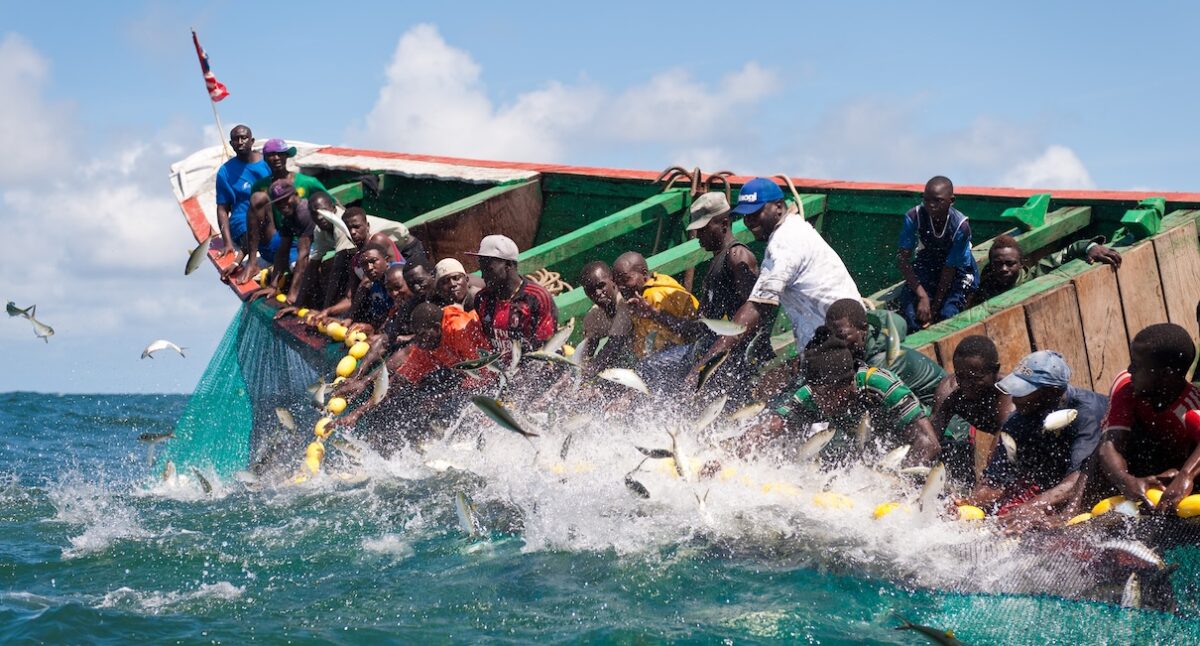
Certification programs also do not track seafood fully through the entire supply chain, which can result in inaccurate reassurances for consumers. “Without the chain of custody, standards are not able to provide an assurance to organisational buyers and consumers that the fish they are buying was caught in the socially responsible way they are purporting,” according to a 2022 study by the University of Nottingham.90M To properly trace aquaculture seafood would require knowing not just what happens at the fish farm but what goes into the feed supplied to the farm. This would entail following fishmeal and fish oil through five stages: from ship to plant to mill to farm to fork. Usually, a ship catches the fish that gets sent to the plant that turns it into oil, powder, or pellets.M The fishmeal is then sent to a mill, where it is mixed with other ingredients, like soy, wheat, and canola meal, to become “compound feed.”91 Next, the feed gets distributed to fish farms that grow the seafood, which is finally dispatched to grocery stores, restaurant chains, or food service companies. Many of these problems have been highlighted by academic and NGO studies, including a 2020 report by Changing Markets Foundation and a 2020 report by the University of Groningen.92
Food safety is another concern tied to the lack of seafood tracing. Food writer Michael Pollan said that aside from climate change and sustainability concerns, there are also intense food-safety problems buried within feed. “We are what we eat, but that’s only part of the story,” he said. “We are what what we eat eats too.” This was the case with beef, which, until mad cow disease, was routinely fed to other cattle. Cows are still fed fertilizer, chicken feces, and cow blood. “I’m imagining we know even less about what goes into fish feed than we do about cattle feed,” Pollan said.93
Meaning & Methods of Improvement
Five certification programs are most popular in relation to aquaculture seafood. They include Best Aquaculture Practices (BAP) and Aquaculture Stewardship Council (ASC), which concentrate on the sustainability and legality of fish farming; MarinTrust, which focuses on the processing and traceability of fishmeal and fish oil; and Friend of the Sea, which certifies both fisheries and fishmeal and fish oil processors.94 Countries also rely on Fishery Improvement Projects (FIPs), which aim to improve the management of participating fisheries.M
Some ocean conservationists and labor groups have called for seafood companies and grocery chains to stop sourcing from companies or regions tied to labor, food safety, or sustainability concerns.95 Spokespeople from several certification programs disagreed with this perspective, arguing that a carrot-rather-than-stick approach is best for improving the industry. For example, Dave Martin, a spokesperson for the Sustainable Fisheries Partnership, which founded Fisheries Improvement Projects, said, “We ask our partners and those we work with around the world to stay and help fix the problems.” He added, “Fisheries in FIPs are by definition unsustainable,” which is why they are in the program. Asked by The Outlaw Ocean Project why, according to his organization’s own assessment, half of the fisheries reviewed had in recent years dropped into a “poorly managed” category, Martin cited two studies showing that fishery improvement projects help. He also pointed to factors that improvement programs cannot control, such as the performance of government regulators. In regions where governments have rolled back regulations and cut spending toward counting fish and enforcing quotas, Martin said his organization pushes for the companies that source from those waters to play a larger role in preventing overfishing.96
Responsibility
In response to questions from The Outlaw Ocean Project, the various organizations that make up the certification industry emphasized that each plays its own role and cannot be held accountable for others’ responsibilities.97
MarinTrust, for instance, emphasized that its program is not meant to be the “lone driver” but a “credible partner” to governments and NGOs. Regarding labor abuse, spokesperson Libby Woodhatch said MarinTrust’s purpose is strictly to check whether factories comply with national regulations and UN labor conventions.98 ASC spokesperson Gaynyr Dickson added that “certification alone cannot resolve all issues related to the industry” and that ASC does not police labor standards directly. Instead, it relies on fish farms to get their feed from mills that have themselves been certified by other organizations. When asked if the program checks for sustainability problems with feed mills and their fishmeal producers, Dickson said they put that responsibility on the feed mills to do their own “due diligence.”99 Paolo Bray, the founder of Friend of the Sea, similarly stated that his organization does not directly audit ships for labor concerns but relies on independent auditing firms that are supposed to talk to workers in port and review CCTV footage.100 The Global Seafood Alliance, which runs the BAP program, wrote that it is the industry’s “most comprehensive program for farmed seafood” but is also “removed from the auditing and certification decision process,” which is executed instead by third-party auditors.101
Division of labor exists in every industry, though some critics say that its stakes are higher in the certification industry. “The business model is simple,” said a 2025 report from Western Sahara Resource Watch. Exporters pay for certificates, certification bodies issue them, and standard owners license them. "But when things go awry, auditors blame standards, standards blame auditors, both depend financially on the companies they are supposed to control, and almost no one answers questions, the report said. “Everyone gets paid, and when problems emerge, everyone points elsewhere.”102
Certification programs are popular partly because they provide reassurances that allow importers, exporters, and retailers to raise their prices, lessen their legal risk, and attract more investment.103 Companies have a financial incentive to believe the reassurances passed along by certifications and by associates up the chain. The boat captains, fishery officials, fishmeal plant operators, feed mills, fish farmers, seafood brands, restaurateurs, grocers, and even the insurers, banks, and certifiers make up an industry full of stakeholders who receive and hand down such reassurances. Quite often, a compounding confidence snowballs from certifications to marketing claims. Based on their certifications, seafood sellers advertise themselves as more ethical than their competitors.M
Fishmeal from Senegal offers a telling example. One plant, Omega Fishing, produces fishmeal that is shipped to a feed mill in Vietnam. Since 2011, that mill has been certified by BAP, which claims to guarantee “safe, responsible and ethical farm-raised seafood” and “healthful foods produced through environmentally and socially responsible means.”104105M The feed is then supplied to some of Vietnam’s largest shrimp farms, which in turn sell shrimp to major grocers, including Walmart in Canada.106 The shrimp is marketed to consumers as a more sustainable choice on the strength of its BAP certification.M Omega Fishing and Walmart did not respond to requests for comment.107
Yet BAP standards explicitly prohibit feed derived from species classified by the FAO as “overfished” or “overexploited.”108 In 2023, the FAO designated sardinella as “overexploited” across Northwest Africa.109 Omega Fishing uses sardinella in its fishmeal—introducing an apparent violation at the very start of a supply chain that ends on grocery shelves thousands of miles away. Omega Fishing did not respond to a request for comment.110
Other certification schemes show similar blind spots. The ASC, for instance, certifies sea bream and sea bass produced by Kılıç Deniz, a major Turkish aquaculture firm supplying British retailers such as Waitrose and Asda, according to a 2025 report by DeSmog, a UK-based investigative advocacy group.111 ASC certification promises seafood sourced from fisheries that are at least “reasonably well managed, with healthy stock.” Asda and Waitrose did not respond to a request for comment.112
But much of the feed used by Kılıç Deniz is made with fishmeal sourced from Senegal—where fisheries are neither well managed nor healthy, according to UN fisheries officials. ASC told investigators that Senegal did not appear as a source country for whole marine ingredients in Kılıç’s 2024 audits, but added that fish from Senegal could still be used in feed “as long as the balance of ingredients meets its standards.” In other words, traceability dissolves once ingredients are blended. Kılıç Deniz did not respond to a request for comment.113
Diminishing Deniability?
Seafood companies may face increasing legal challenges to problems within their supply chains. Historically, such companies have, intentionally or unintentionally, distanced themselves from the behaviors of their subcontractors and suppliers abroad, thereby avoiding culpability for the role of bad actors. A case brought in March 2025 by four Indonesian fishers against the canned-tuna giant Bumble Bee concerning the use of forced labor on fishing ships tied to the company could pierce that veil of plausible deniability.114 The fishers sued the company in the Southern District of California for violating the Trafficking Victims Protection Act (TVPA). The company argued in court documents that it was not responsible for the actions of the relevant fishing ships. In a landmark ruling, the district court allowed the lawsuit to move forward, finding that Bumble Bee “likely had ‘notice about the prevalence’ of forced labor on the vessels from which it sourced tuna, ‘failed to take adequate steps to train staff in order to prevent its occurrence’,” had an “active role in obtaining albacore tuna from the vessels on which Plaintiffs were subject to forced labor,” and resold such procured tuna for profit. Bumble Bee did not respond to a request for comment.115
Dana Cleaveley, a research consultant formerly with SeaChoice, a Canadian environmental advocacy organization focused on advancing sustainable seafood practices, said that historically, various industries have been forced to reckon with human rights and environmental crimes hidden within their supply chains. “Consider sweatshop garments, blood diamonds, and fair-trade coffee,” she said. The seafood industry, however, lags in terms of this type of accountability. As the world scrambles for protein and leans into aquaculture, this industry will have to catch up, she said. That’s likely to happen when more countries impose import controls on seafood that is tainted with illegalities or unsustainable practices. “That’s when investors will begin to see material, not just reputational, risk, and companies will have to adjust.”116
Governance gaps persist. In 2019, the Environmental Justice Foundation analyzed Senegalese government landing and export data and found major discrepancies that suggested large volumes of fish caught by the industrial fleet were never officially reported.117 The public purse has also likely been deprived of revenue. In a 2022 FAO study, five Senegalese government officials said there is likely to be tax evasion by fishing and fishmeal companies because of the lack of close monitoring of industry tax payments.118
Reform efforts have advanced unevenly. In May 2024, Senegal’s Ministry of Fisheries pledged greater transparency and published a list of vessels authorized to operate in national waters—a move welcomed by civil-society groups. But momentum soon stalled. By August 2024, Senegal had failed to submit a formal application to the Fisheries Transparency Initiative, which subsequently delisted the country as a candidate for noncompliance with transparency standards.119
Advocates say meaningful reform would require politically difficult steps: restricting fishing effort, compensating affected communities, and coordinating stock management with neighboring countries such as Mauritania and The Gambia. For now, those measures remain, as one observer put it, “elusive.”120
Mustapha Manneh, a researcher based in The Gambia who studies fishmeal and fish oil production in West Africa, said one downstream consequence of collapsing fish stocks and job displacement is migration.121 Families that for generations depended on fishing, he said, are now selling—or repurposing—their boats to flee to Europe. With few prospects at home, many attempt the more than 930-mile sea journey to Spain’s Canary Islands, a route that claimed more than 3,000 lives in 2025.122
Younger fishers, Manneh said, are increasingly abandoning the water altogether. Instead of trying to make a living at sea, they are turning to clandestine migration routes. Cheikh Fall, a 27-year-old fish farm worker, said he left Senegal in search of work in Europe after opportunities at home dried up. He was detained in Morocco and deported.123 Another fisher, Sene, described attempting the same journey. His boat, he said, was intercepted by the Moroccan coast guard, which detained the passengers for roughly three days. Sene alleged that more than a dozen women were raped while in custody. Despite the dangers, he said he would likely attempt the crossing again.124 The government of Morocco did not respond to a request for comment about the allegations of abuse.125
For men like Pape Demba Sy, the link between dwindling fish stocks and migration was unmistakable. Once a skilled fisher supplying sardinella to women processors along the coast, Sy increasingly returned from day-long trips with empty nets. In 2006, he made his first attempt to cross the Atlantic to the Canary Islands, carrying just 50 euros, a photograph of his parents, and the hope of supporting his ailing mother. By 2011, as fishmeal plants further drained local waters, he made eight additional attempts—earning the nickname “Nine Times.”
Sy was repeatedly intercepted, detained in Morocco, or forced back by mechanical failures at sea. Still, he said, he would keep trying. “I am the hope of the family,” he explained. While processed sardinella flowed north to European markets, people like Sy remained trapped—narrowing not only the choices of fishers at sea, but also the livelihoods of women who depend on fish landings onshore.
For many, the journey ends in death. While Outlaw Ocean Project reporters were in Senegal, a pirogue carrying roughly 100 migrants capsized in early September 2024, killing more than two dozen people. “There’s no work. We’re fishermen,” said Cheikhou Omar, a 21-year-old survivor. “I go out for 10 days, and I come back with 20,000 francs. Sometimes I earn nothing.” On the same day, the Senegalese Navy intercepted two other boats carrying a total of 421 people attempting to migrate.126
Europe’s response has largely focused on deterrence. The European Union has paid African governments to intercept migrant boats at sea and return passengers to detention centers on the continent—facilities long criticized by human rights groups for abuse, including extortion, torture, and sexual violence.127 In 2022, the EU and Senegal signed an agreement with Frontex, the EU’s border agency, authorizing joint patrols in Senegalese waters to intercept and turn back migrants attempting to reach Europe.
Overfishing and illegal fishing have also inflamed tensions between Senegal and its neighbors. In January 2018, fishers in Saint-Louis, Senegal, rioted after one of their colleagues was shot and killed by Mauritanian coast guards, according to a Reuters report.128 During the confrontation, the Senegalese pirogue attempted to ram a Mauritanian patrol vessel. A coast guard officer fired in an effort to disable the boat’s engine and instead fatally struck the fisherman, a senior Mauritanian official told Reuters.129
Conflict has also intensified closer to shore, between small-scale artisanal fishers and large industrial vessels. These larger ships—typically foreign-owned—primarily catch fish for export for human consumption. They frequently encroach into coastal zones traditionally reserved for artisanal fishers, who operate pirogues or small wooden canoes and increasingly supply their catch to fishmeal plants. Fishers say industrial vessels have rammed their boats, cut lines, destroyed nets, or dumped fish overboard.130
To avoid such losses, fishers like Abdoul Sene, a 30-year-old from Keur Moussa, now haul in their nets each night rather than leaving them drifting offshore.131 The practice protects their gear but reduces their catch.132 “Sometimes we pour gasoline to fire up their boats, sometimes we throw stones,” Abdoul Sene said. “But the Chinese pull out weapons.”133 Under Senegalese law, the government has the authority to establish exclusive fishing zones for artisanal fleets. To date, it has never done so.134
The government has also licensed vessels with histories of alleged violations. Nearly half a dozen Chinese ships belonging to the Fu Yuan Yu fleet—a group repeatedly cited by Global Fishing Watch in 2016 and Greenpeace in 2020—have been authorized to fish in Senegalese waters.135M These vessels have been linked to illegal or unsustainable practices, including spoofing their AIS signals to conceal their true locations. Senegalese officials faced criticism in local media for issuing the licenses after previously pledging not to authorize new foreign industrial vessels.136M
Monitoring industrial and fishmeal-linked vessels in Senegalese waters has proven difficult. Between 2019 and 2024, at least nine ships went “dark,” switching off their tracking transponders for a week or more. Over the same period, at least 22 vessels likely engaged in transshipment—transferring catch at sea rather than returning to port—according to research by the Allen Institute for AI.137 Fourteen of those incidents reportedly occurred in Senegalese waters, where transshipment is illegal because it obscures where fish are caught and how much is taken.138
Gaps in vessel identification further complicate oversight. At least 200 ships operating in the fleet lack International Maritime Organization (IMO) numbers, which are required under international maritime rules. Another 280 vessels are missing from the FAO Global Record, a key database used to track fishing activity worldwide.139M
Most of Senegal’s fishmeal production is exported, primarily to Vietnam, Spain, and Turkey. Fishmeal exports more than doubled between 2022 and 2023.140 Fish oil shipments went mainly to Spain, Chile, Oman, and Denmark.141 In 2023, the fishmeal and fish oil sector generated more than $19 million in export revenue.142M
Locally, however, the economic benefits are uneven. In 2018, the fishmeal industry created roughly 120 temporary jobs and 264 permanent ones, according to the FAO.143 By contrast, Senegal’s fisheries sector as a whole employs more than 600,000 people.144 Civil society groups argue that job figures tied to fishmeal plants obscure broader losses. “Competition with the thousands of professional players active at the post-capture level is a major problem,” Rampao reported.145
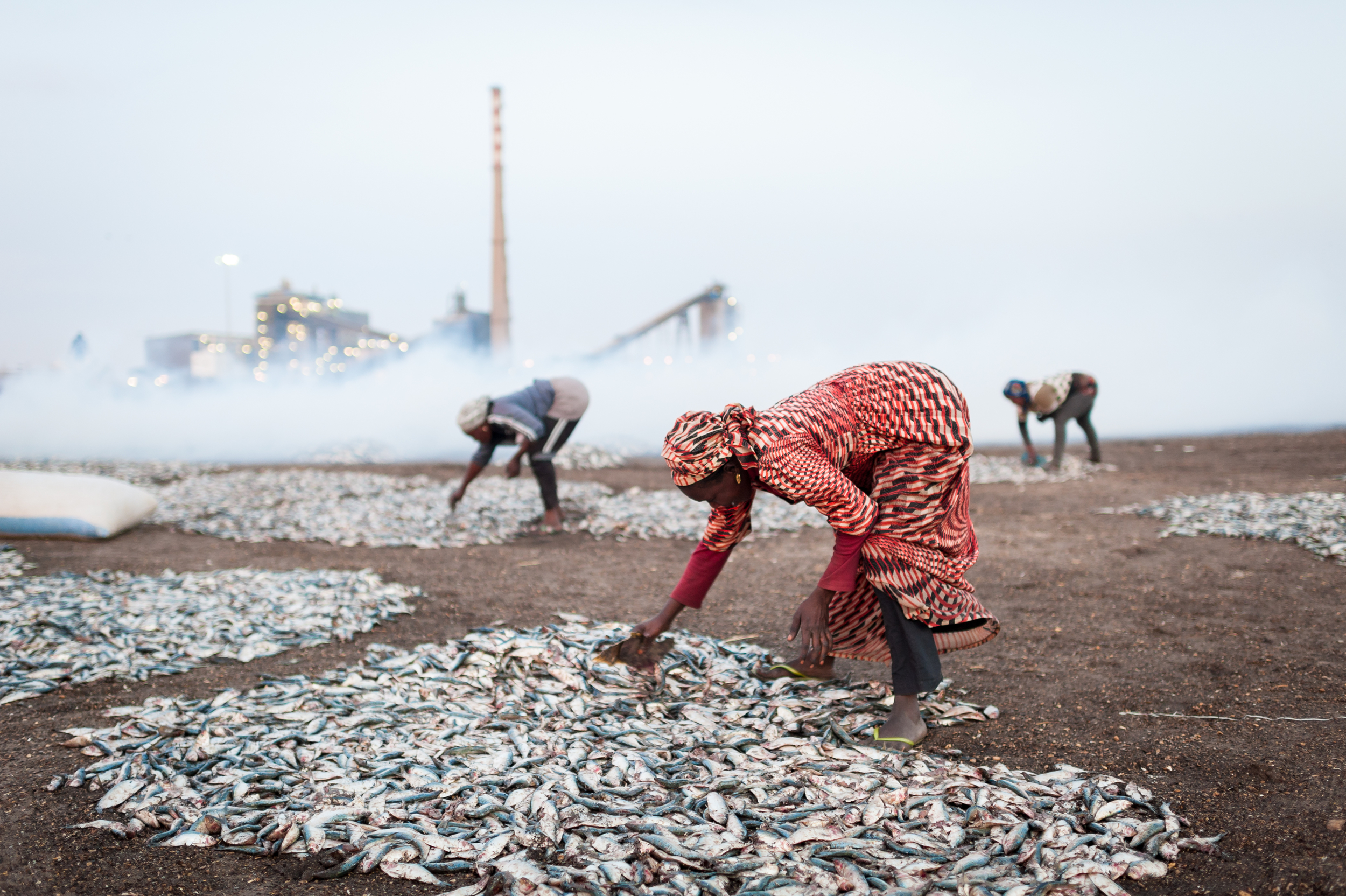
Local markets are already feeling the strain. In some communities, the number of women involved in fish processing has fallen from more than 300 to about 70, according to a 2022 study by Feedback EU.146 Many were priced out by rising costs and dwindling access to fish. The study also found that fishmeal factories failed to deliver on promises of job creation and tax revenue—leaving communities with fewer fish, fewer livelihoods, and little to show in return.147
For communities living near Senegal’s fishmeal plants, air and water pollution have long been among the most common complaints. In April 2018, a fishmeal factory operated by Société des Produits Halieutiques opened in Abéné. Soon after, residents reported an overwhelming stench, thick black smoke, and untreated wastewater flowing into rice fields and garden wells, according to Malagen, a Senegalese news outlet.148 Within weeks, Abéné’s beach was littered with dead fish. Investigators suspected the die-off was caused by pollution discharged from the plant.
Residents mobilized quickly. Youth groups and environmental activists organized protests, submitted petitions, and staged open-air screenings of the documentary Poisson d’or, Poisson d’Afrique to pressure authorities to intervene. A community referendum overseen by the Ministry of Environment found that more than 90 percent of respondents opposed the factory. After six neighboring villages issued a joint memorandum rejecting what they called a “killer” and “toxic” industry, the government suspended the plant’s operations in July 2018.149
Concerns persisted elsewhere. A 2022 FAO study found that the five fishmeal plants then operating in Senegal were associated with rising respiratory illnesses—including rhinitis and chronic cough—particularly among children, the elderly, and people with preexisting conditions.150 That same year, residents in Kayar accused a local fishmeal plant of emitting noxious odors, contaminating water sources, competing unfairly with traditional processors, and engaging in corrupt practices.151 A community coalition released video footage showing company trucks allegedly dumping waste into a nearby lake.M A water analysis ordered by local authorities in September 2022 confirmed severe organic pollution, including deoxygenation that harmed aquatic life.152 In January 2023, Kayar’s municipal government banned wastewater discharges into local waterways.153 Later that year, multiple legal complaints were filed seeking the closure of Touba Proteine Marine.154M
Demba Badiane, a 44-year-old fisher from the coastal village of Mballing, said polluted water from a nearby factory had rendered farmland infertile and decimated fish stocks. “We no longer saw any fish within three kilometers,” he said in a March 2024 interview with The Outlaw Ocean Project. “The fish were dying, and you could see them along the shore.” He described wastewater being discharged directly into the sea, followed by dead fish surfacing nearby.155
Despite zoning rules that prohibit fishmeal plants from being built within 500 meters—about 550 yards—of residential areas, a review of satellite imagery and interviews with local residents identified at least four facilities that appeared to violate the rule.156M
Concerns surrounding the boats that supply Senegal’s fishmeal plants extend beyond environmental damage. Labor researchers have documented debt bondage and child labor within the fleet. According to a 2023 report by Partner Africa, more than a third of operating fishing vessels—ranging from small artisanal pirogues to larger purse seiners—had their operating costs paid upfront by factory owners or fishmongers.157 Those costs typically include food, fuel, bait, and basic provisions. In return, fishers are required to sell their catch at a fixed, prearranged price. The arrangement, the report found, creates a high risk of debt bondage, trapping workers in cycles of labor for little or no pay as they struggle to repay mounting debts.158 The same study found that roughly a third of Senegal’s artisanal boats carried children—some as young as eight—working at sea.159
Despite these concerns, Senegal’s fishmeal industry has expanded rapidly. Beginning in the early 2010s, foreign investment—largely from Chinese and European firms—poured into West Africa to build fishmeal and fish oil factories geared toward export markets in Europe and Asia. The result was a gold rush for small pelagic fish. By 2019, roughly 50 fishmeal and fish oil plants were operating across Mauritania, Senegal, and The Gambia, according to Greenpeace.160 Over the decade ending in 2021, the industry expanded tenfold along the West African coast.161
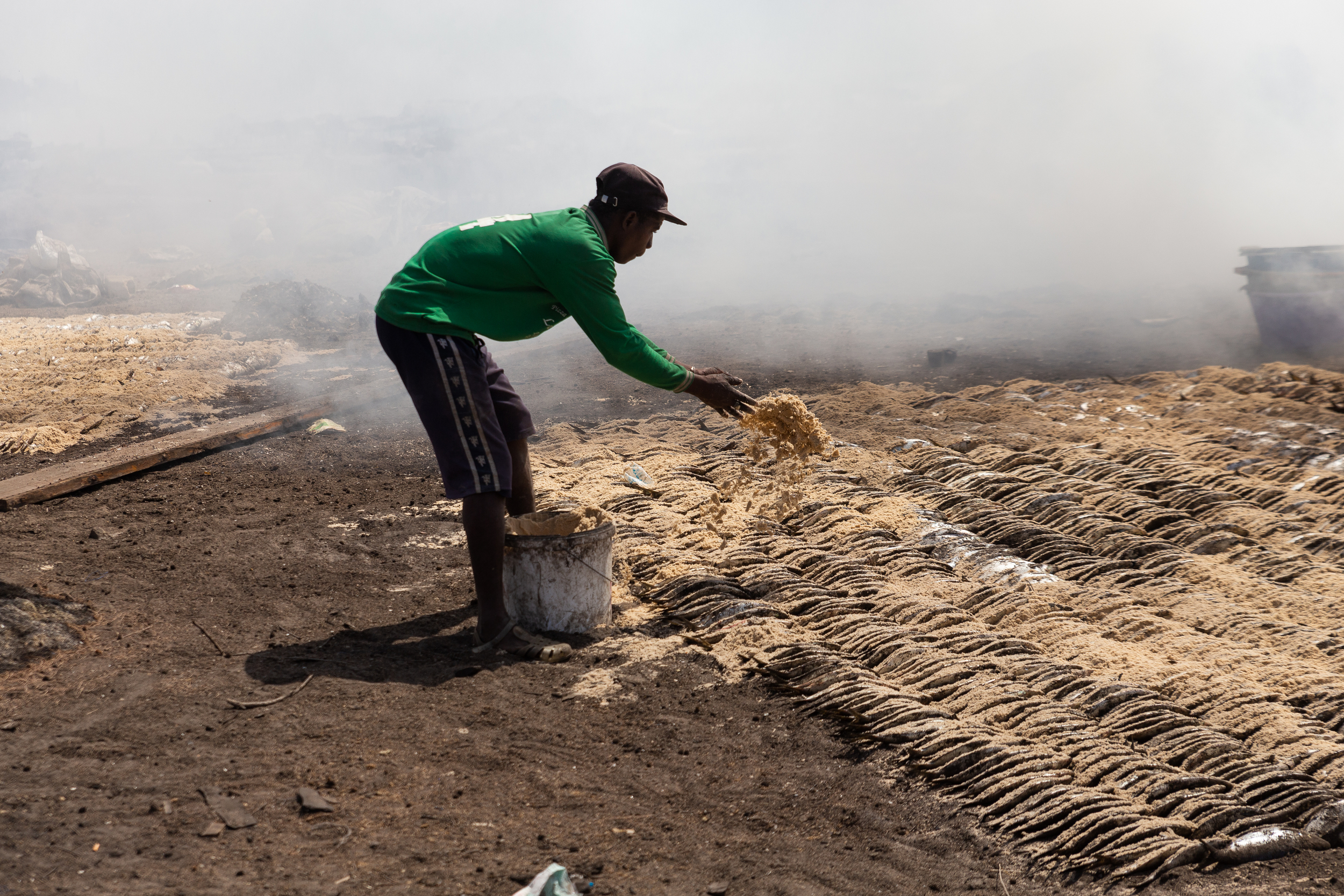
The cumulative impact has been severe. By 2018, fishmeal factories were absorbing an estimated 90 percent of the region’s total small pelagic catch. During the same period, stocks of flat and round sardinella fell to their lowest levels on record, according to a 2024 analysis of fish stocks and factory growth.162 In Senegal, the government has actively courted foreign investment in an effort to manage a trade deficit that reached $5.75 billion in 2025 and a foreign debt burden of roughly $40 billion.163 To attract fishmeal producers, authorities offered generous incentives, including a 50 percent income-tax reduction and exemptions from import duties.164
Managing the fallout is complicated by the transboundary nature of West Africa’s fisheries. Many key species migrate freely along the coast, meaning overfishing in one country quickly affects stocks in another. Sardinella alone travels across a range of roughly 1,000 miles, spanning nearly the entire West African shoreline. According to Oceana, the proliferation of fishmeal plants in the region can be traced directly to European demand for farmed salmon, which relies heavily on fishmeal.165 The result, researchers argue, is a form of “nutrient colonialism”—or food imperialism—in which protein is extracted from food-insecure regions to feed consumers elsewhere. “The aquaculture and fishmeal industries, along with Western seafood buyers, are fuelling a modern-day food-feed competition with little regard for its consequences,” concluded a 2024 study by Feedback Global.166
These concerns have begun to ripple through global supply chains. Several major fish-feed companies, including Skretting and Mowi, say they have avoided sourcing fishmeal and fish oil from West Africa—including Senegal—since 2023, citing sustainability and social-risk concerns.167